• National High-Tech Enterprise
  • Passed 16949 certification
  • ROHS certificationFDA certification
Solar‑panel Cleaning Robot

Eliminate Grease Loss and Corrosion‑Induced Seizure: Engineering‑Plastic Bearings Solve Three Major Failure Challenges for PV Cleaning Robots.
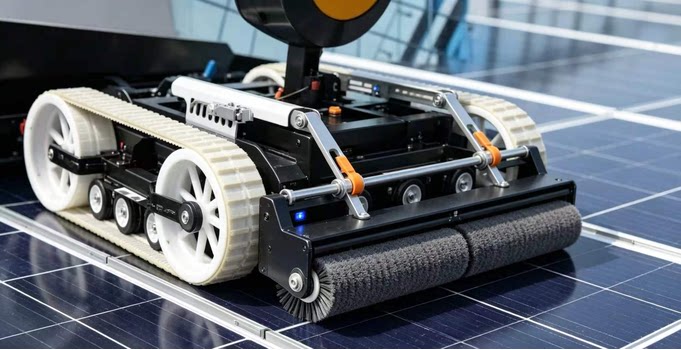
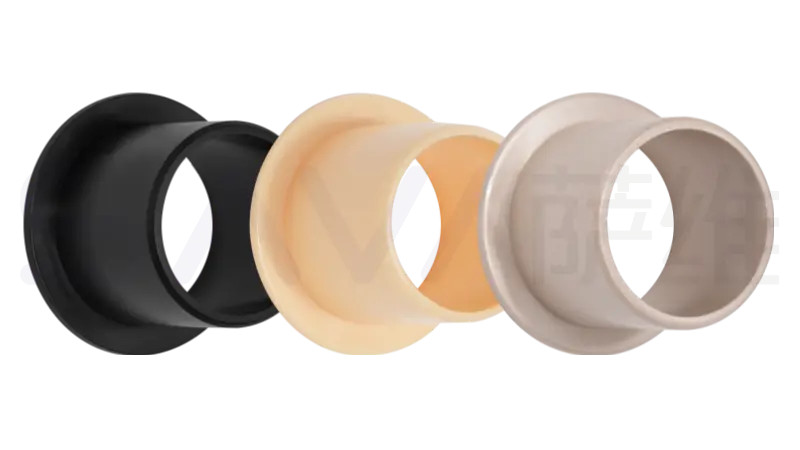
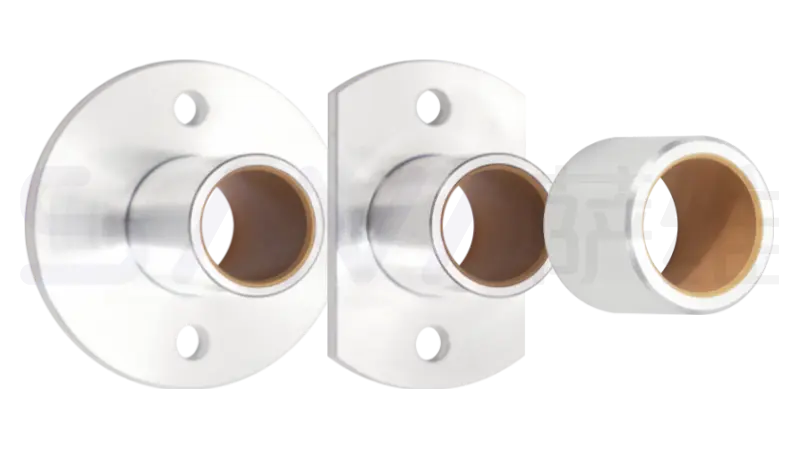
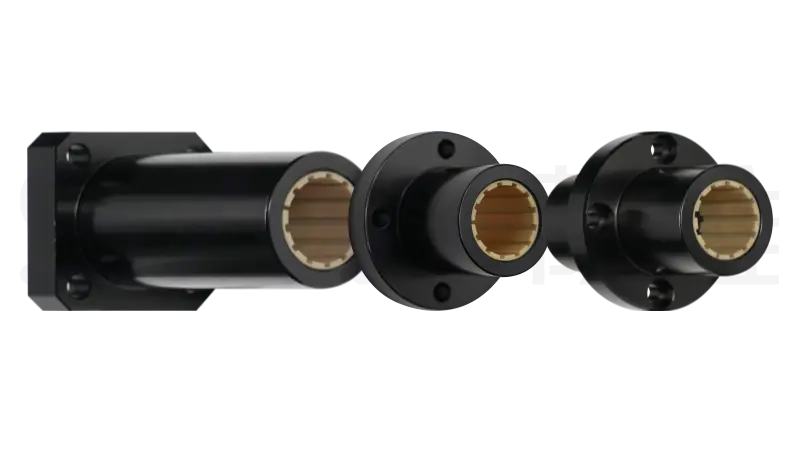
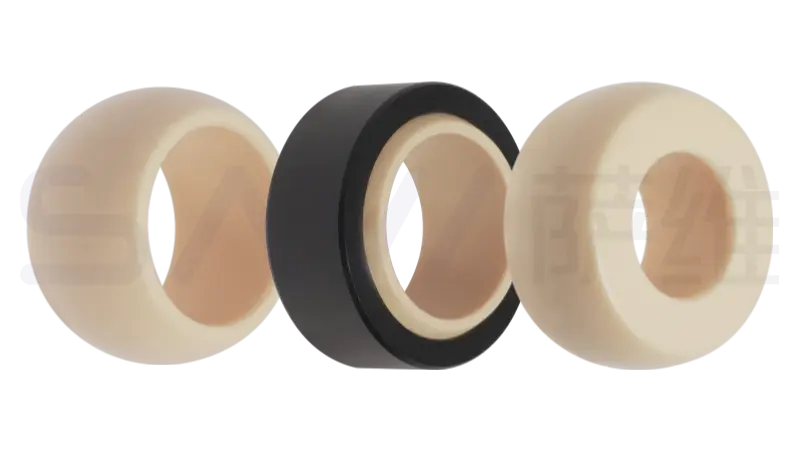
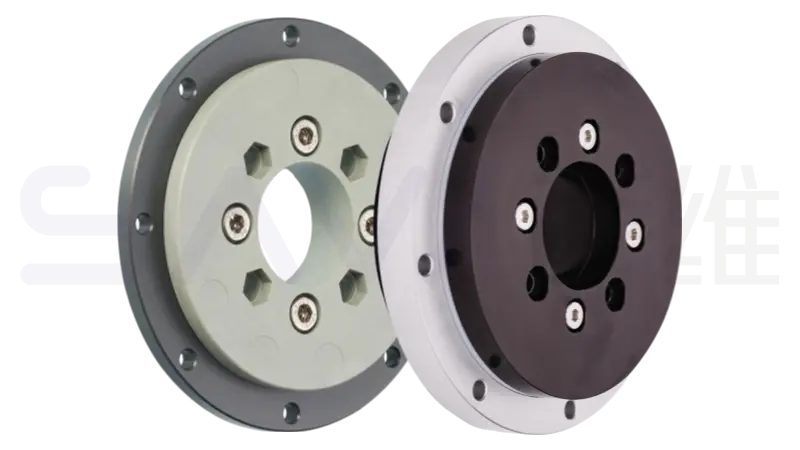
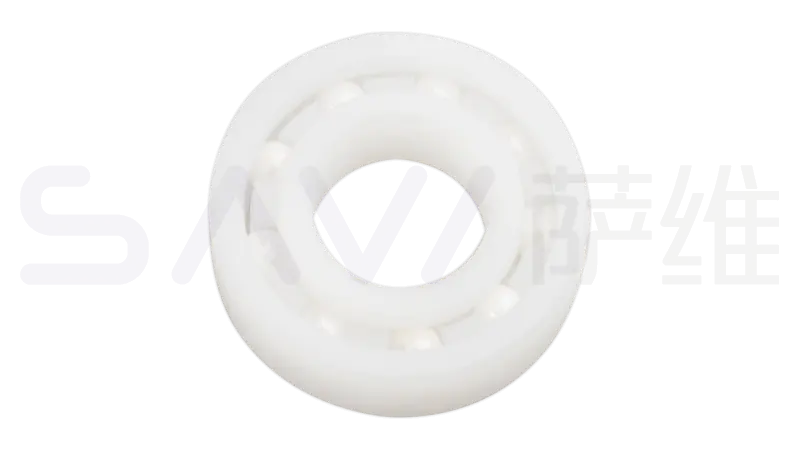
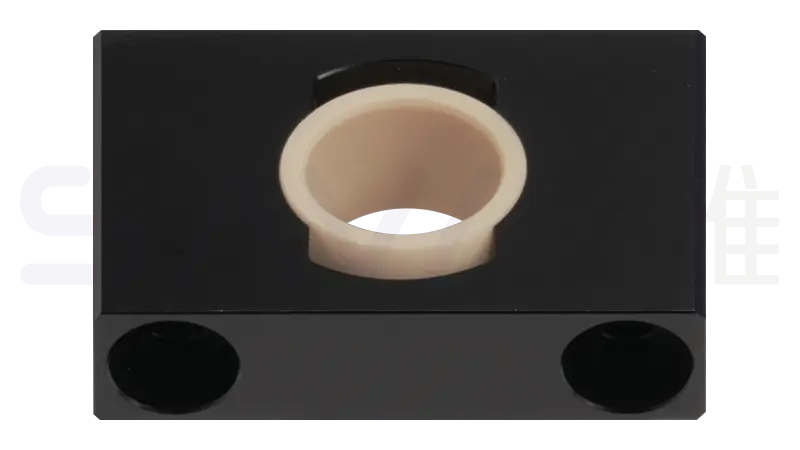
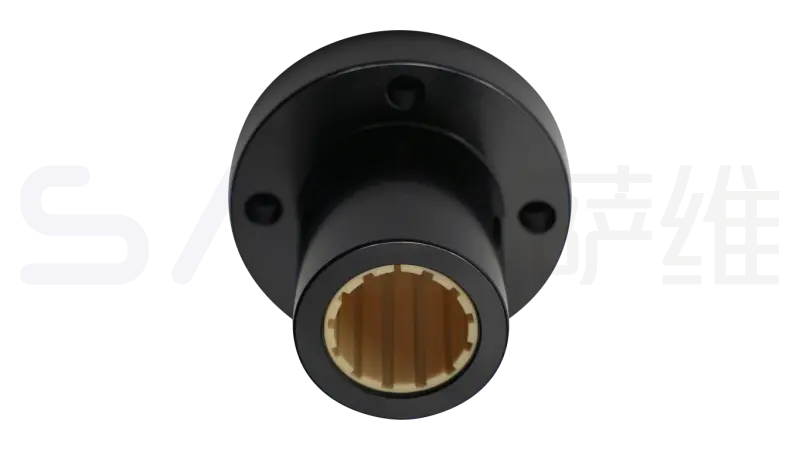
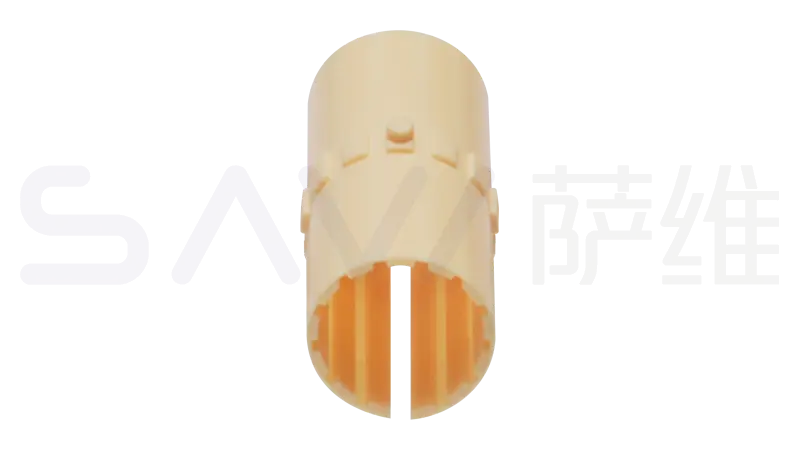
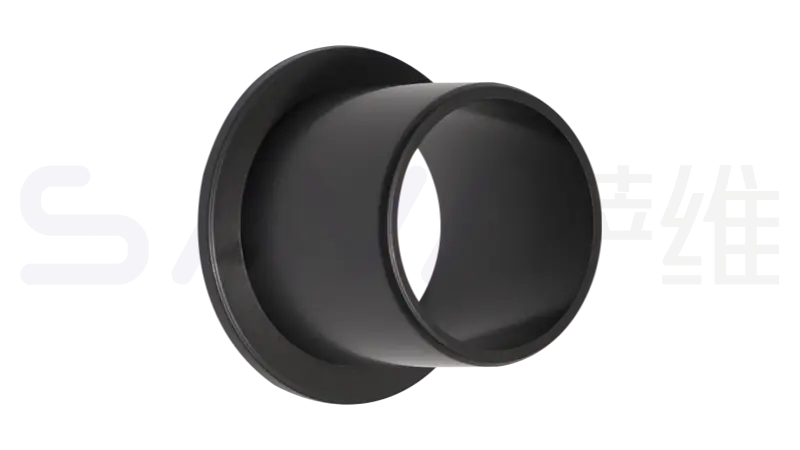
Under outdoor conditions of intense ultraviolet radiation, sand‑dust exposure and detergent corrosion, grease in metal bearings depletes within 3 months and leads to component seizure. Featuring combined strengths of lubrication‑free performance, UV‑resistance and corrosion‑resistance, SAVI GSB series flanged spherical plain bearings deliver 5‑year zero‑maintenance operation for brush rollers of PV cleaning robots.
A leading domestic manufacturer of intelligent O&M equipment for photovoltaic power stations deploys its track‑type PV cleaning robots in northwest desert power plants, distributed rooftop PV systems and agro‑photovoltaic hybrid projects. Working atop PV panels, these robots are constantly exposed to harsh outdoor conditions.

Application Requirements and Operating‑condition Challenges

Operating temperature range: ‑25 °C ~ +65 °C; short‑term peak temperature above 90 °C on module surface.

UV radiation: intense direct sunlight (annual irradiation>1800 kWh/m² in desert regions).

Detergent environment: water plus eco‑friendly detergent, pH approx. 6 (weakly acidic neutral).

Dust and sand: continuous ingress of farm dust, pollen and fine desert sand.

PV panel inclination angle: 30°‑60°, bearings subjected to tilting loads and alternating stress.

Brush‑roller rotating speed: 100‑400 r/min (nylon brush: 30 cm diameter, 90 cm width), medium‑speed rotation.

Motion modes: brush‑roller rotation, track linear travel and joint swinging for multiple working stations.

Maintenance constraints: scattered sites (gobi desert / rooftops), high‑altitude operation and high labour costs.

Design target: ≥5‑year zero‑maintenance operation (aligned with 25‑year service life of PV power stations).


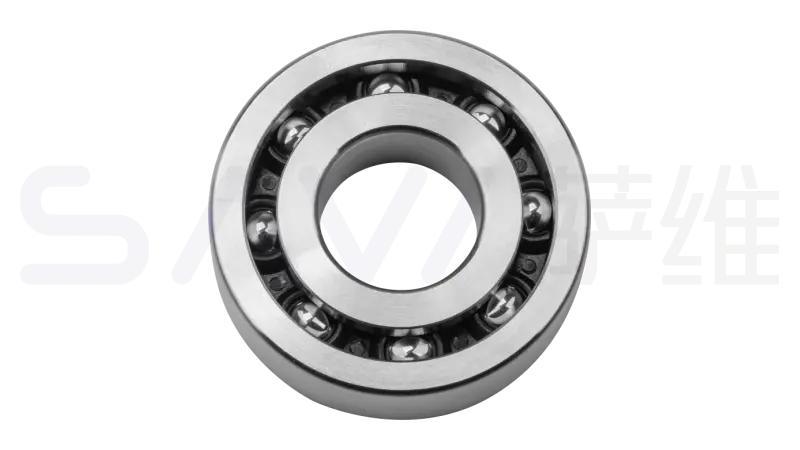
PV cleaning robots are typical “unattended‑operation + harsh‑environment” equipment. The fundamental weakness of metal bearings is their reliance on lubricating grease. Under persistent water contact, strong UV radiation and sandy‑dust conditions, grease depletion takes place within merely 3 months. It triggers bearing dry‑running, raceway pitting and eventual seizure failure, which fundamentally contradicts the 25‑year lifecycle of power stations and 5‑year zero‑maintenance design objective of the equipment.


Have you encountered any of these problems?

Bearing abnormal noise and jamming occurring 3‑6 months after equipment deployment, requiring frequent on‑site maintenance?

Short‑lived improvement after grease replenishment with recurring failures and rising maintenance costs?

Difficult‑to‑access desert or rooftop power stations; each shutdown results in power generation loss and eroded customer confidence?

Seized rusty metal bearings hard to disassemble; repair man‑hours far exceed the cost of bearings themselves?


Solution

SAVI‑GSB Engineering‑Plastic Spherical Plain Bearings: Remove Reliance on Lubrication at the Source

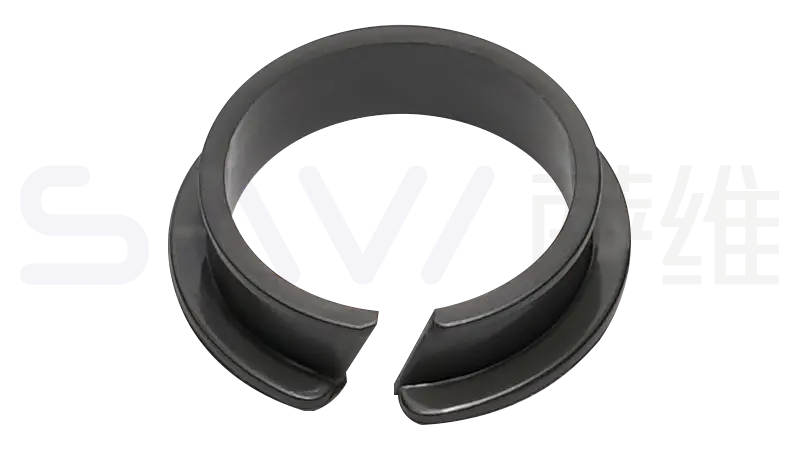
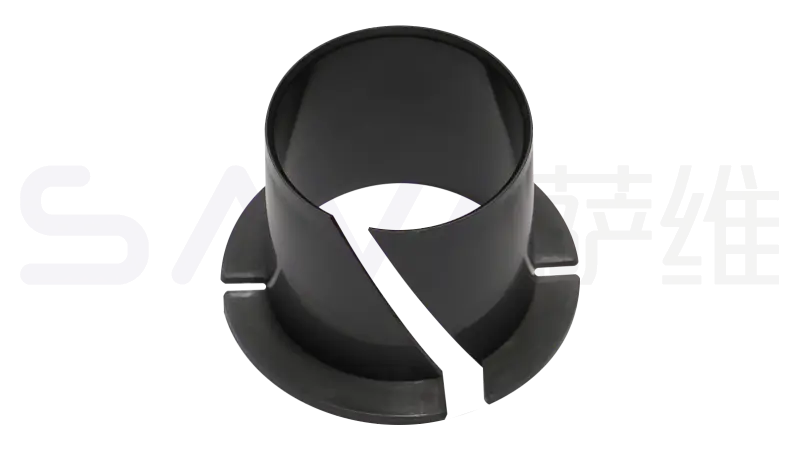
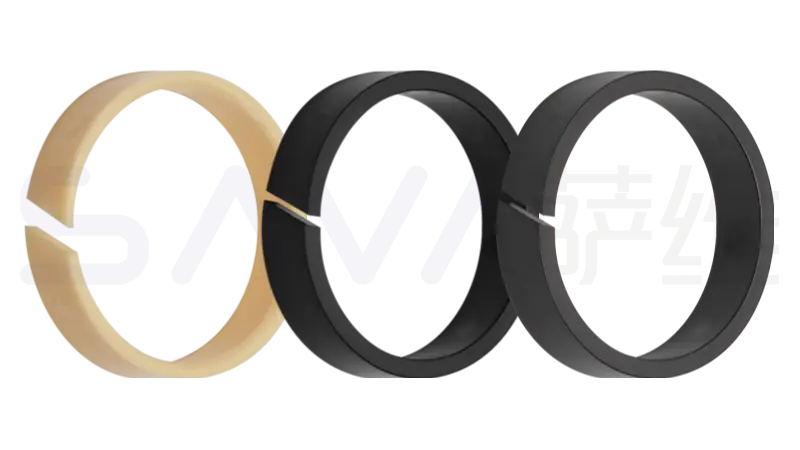
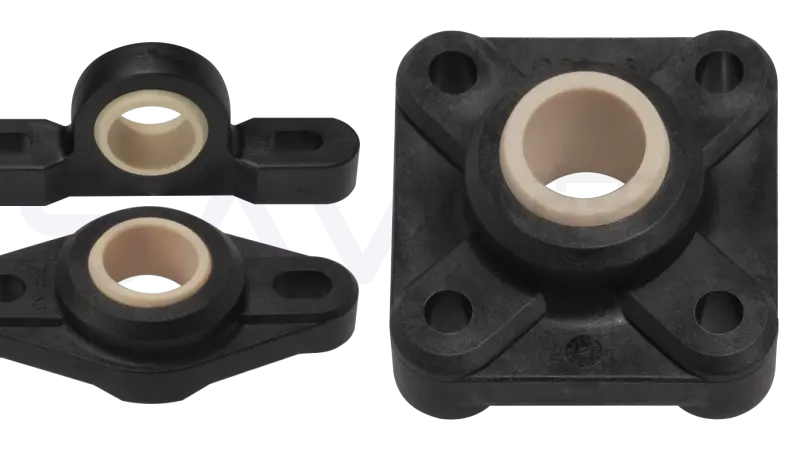
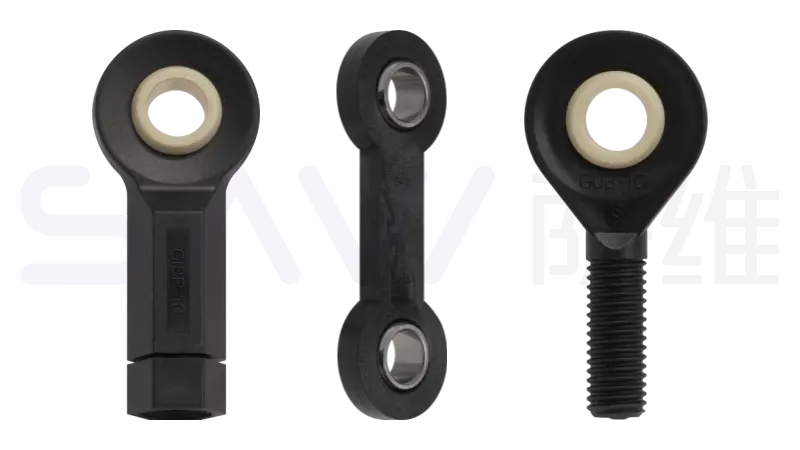
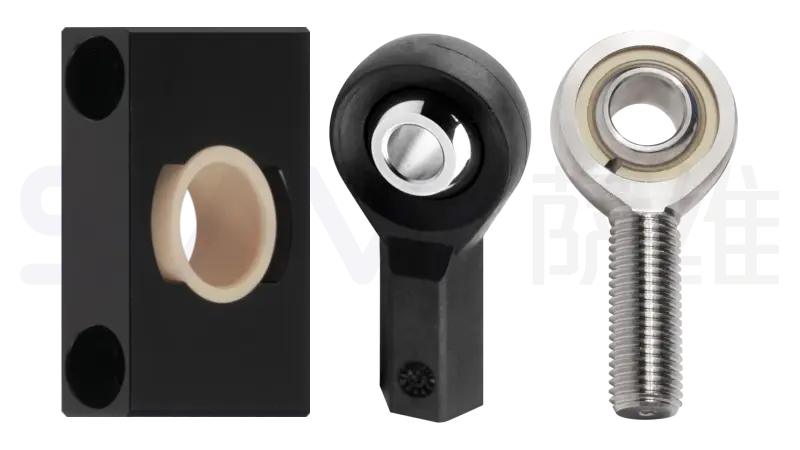
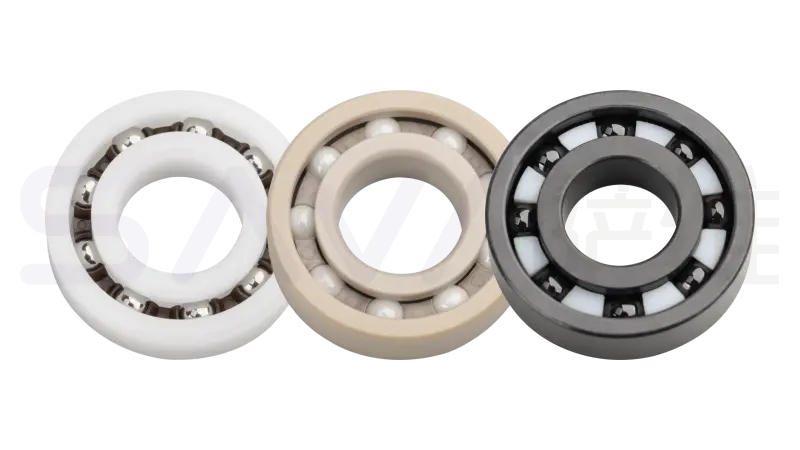
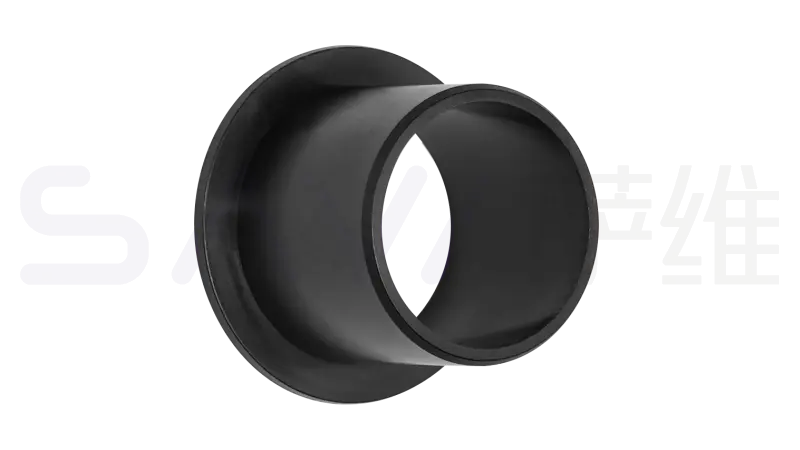
Targeting the three major failure modes of PV cleaning robots, SAVI offers a systematic solution based on engineering‑plastic self‑lubricating bearings. It covers four critical working positions: brush‑roller supports, track drive wheels, track rollers and joint hinges, and resolves grease loss and corrosion from the material perspective.


Technical Principle: Why EP‑series Fits Outdoor PV Scenarios

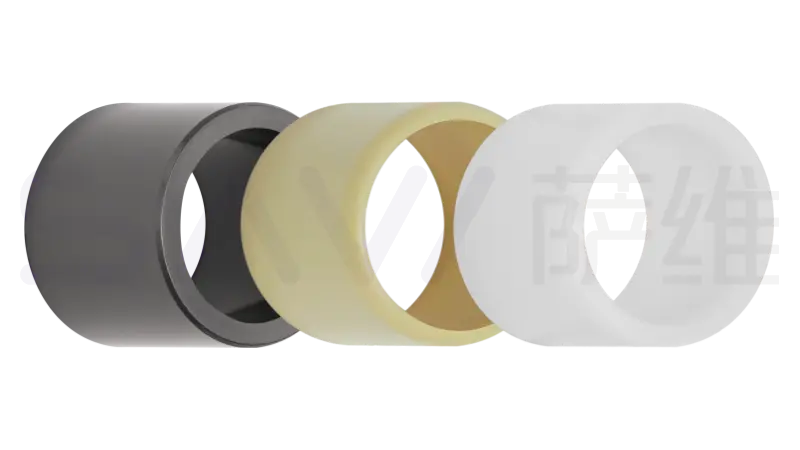
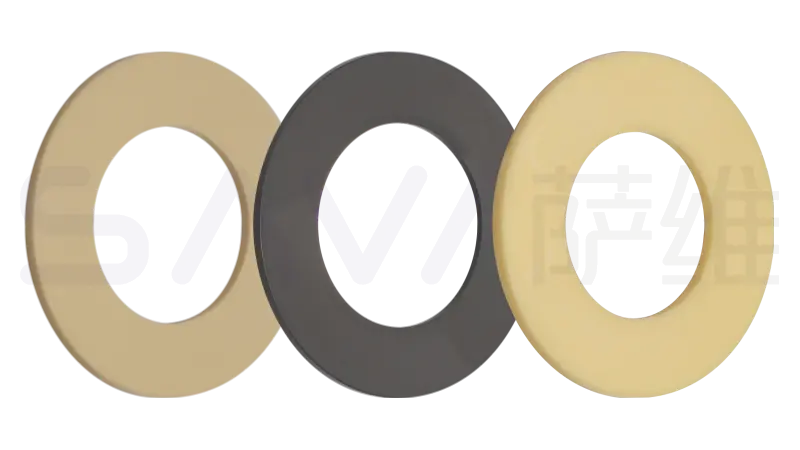
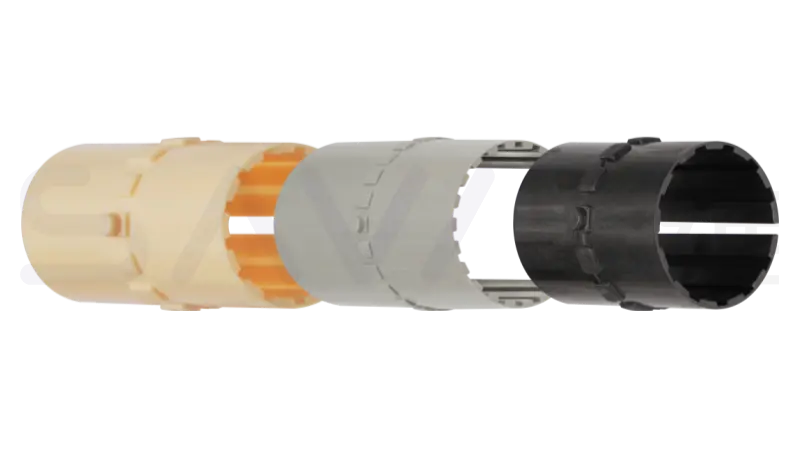
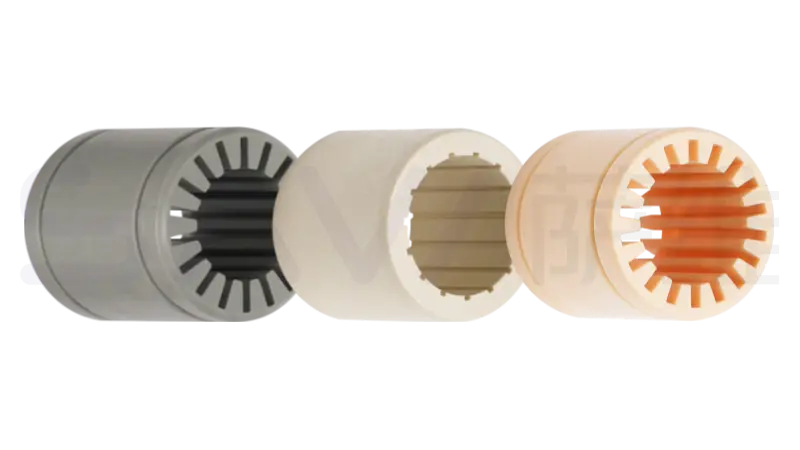
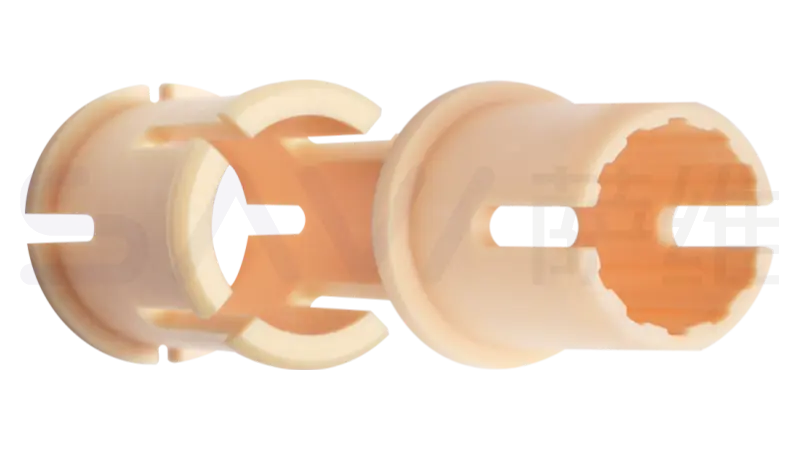
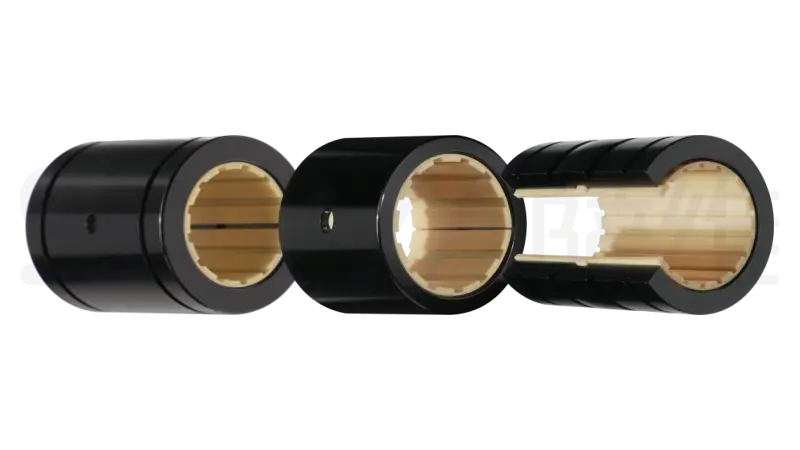
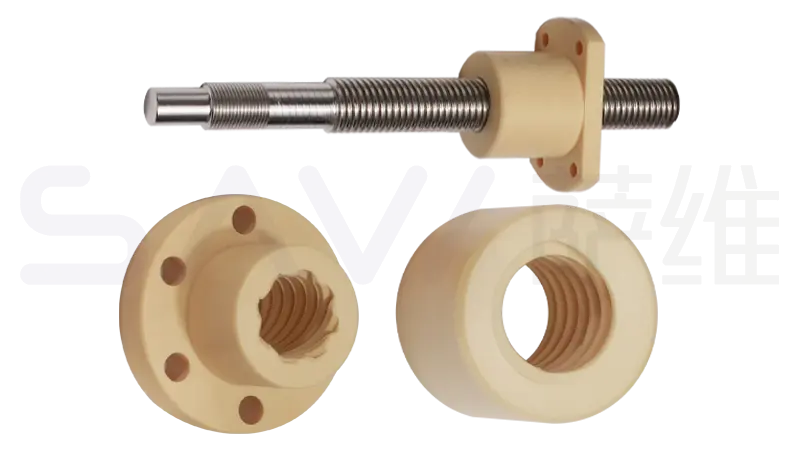
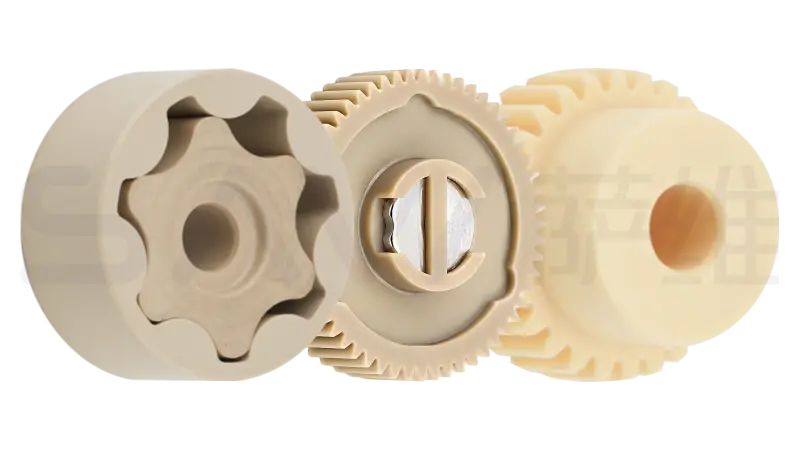
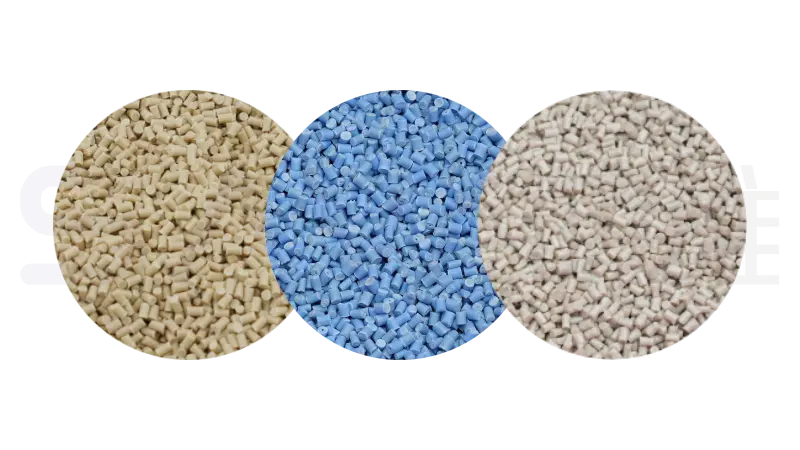
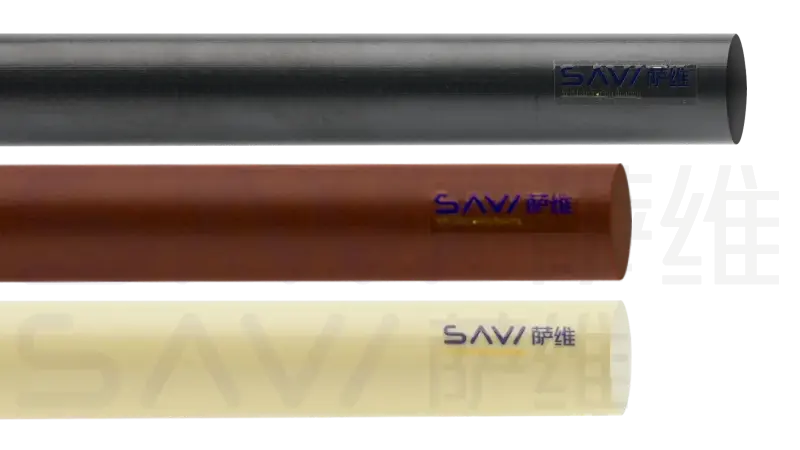
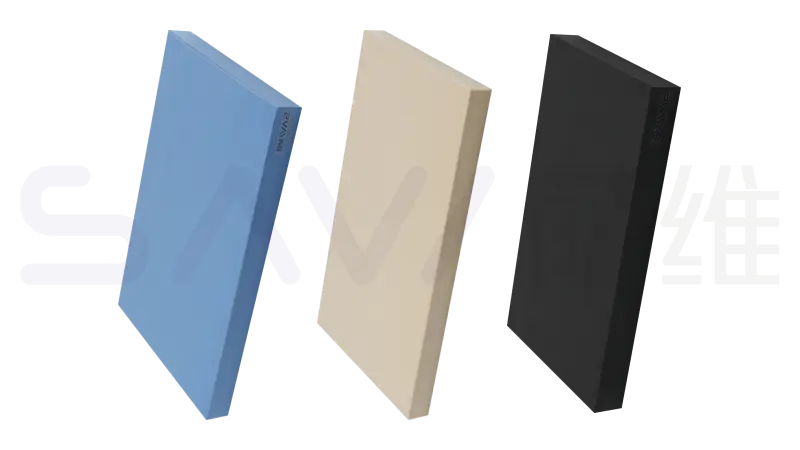
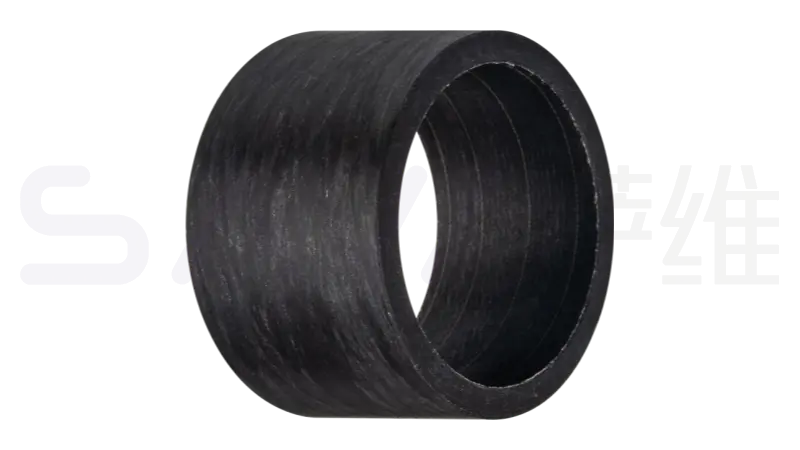
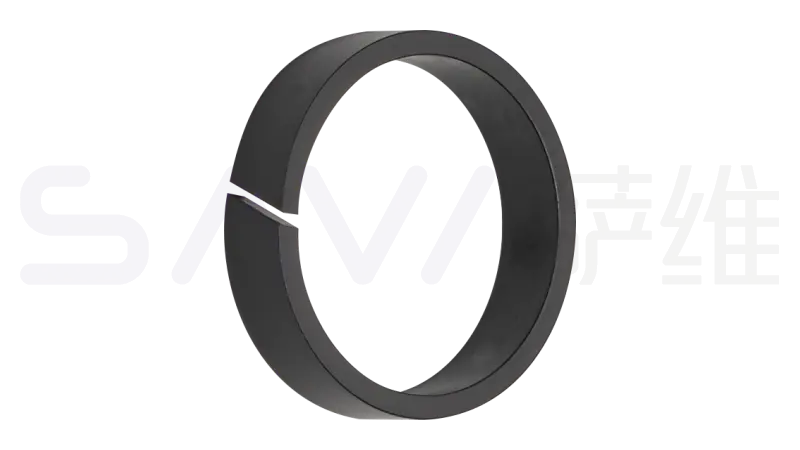
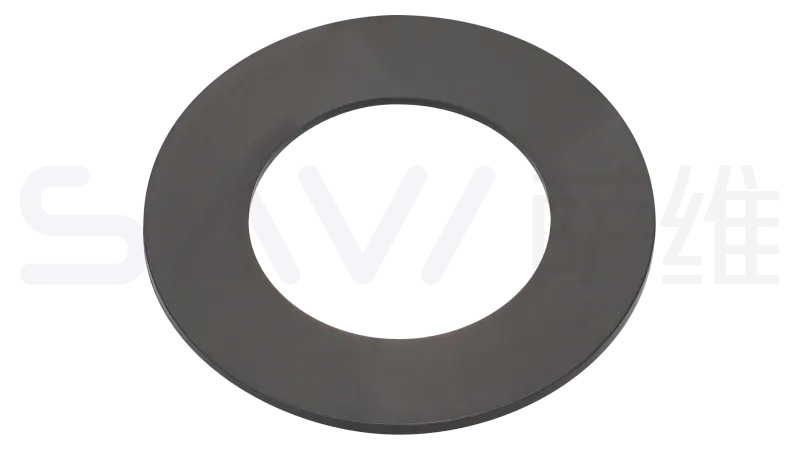
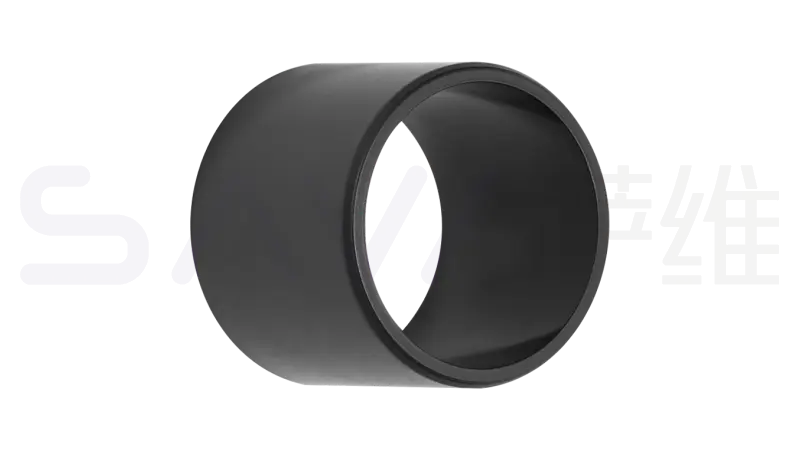
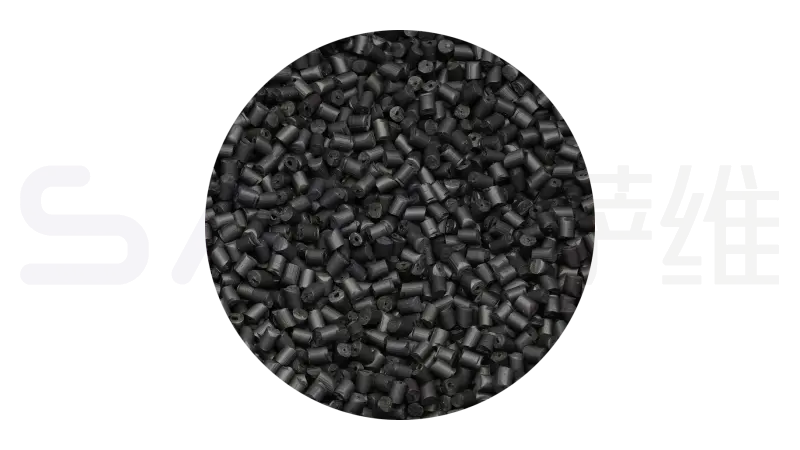
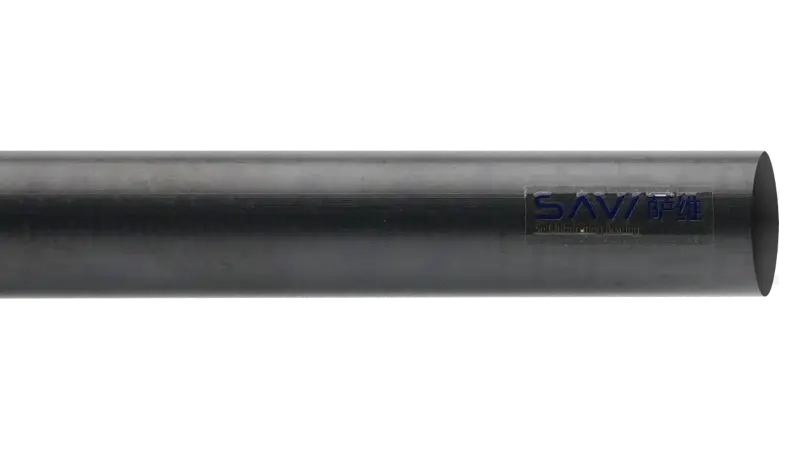
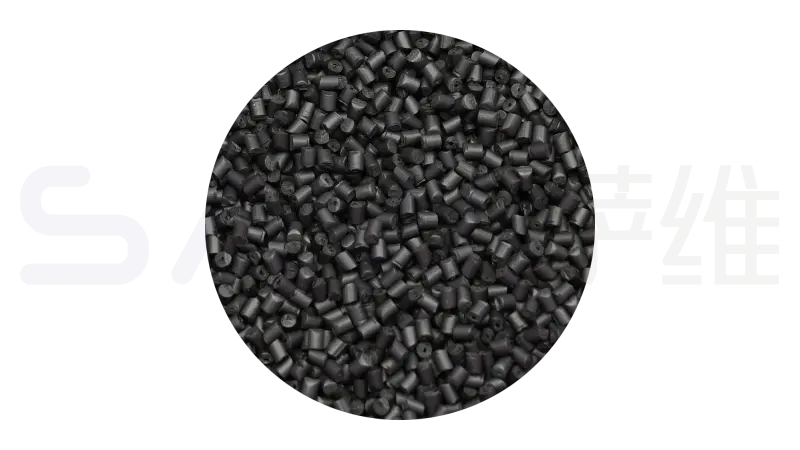
SAVI EP‑series engineering‑plastic self‑lubricating bearings adopt modified PTFE blended with high‑performance engineering plastics as base matrix. Solid lubricants are homogeneously dispersed throughout the material bulk. During friction cycles, solid lubricants form a transferred lubricating film on mating surfaces to achieve lifetime operation without external lubrication.


Core Advantages: Four‑fold Protection in One Solution

  • Chemical corrosion resistance: withstand long‑term attack from pH‑6 detergent and acid rain

  • Weather resistance: UV‑resistant without embrittlement, wide temperature range and stable dimensional performance

  • Light‑weight design: density only 1/6 of metal, reducing robot payload and driving power consumption

  • Misalignment compensation: spherical structure compensates for assembly offset and angular deviation during operation, accommodating flatness errors of PV panels

Under simulated PV working conditions (continuous spraying of water‑detergent mixture, accelerated UV ageing, thermal cycling from ‑25 °C to +90 °C), SAVI EP‑series engineering‑plastic self‑lubricating bearings achieve an 83 % reduction in wear loss versus conventional metal bearings. Actual service life far exceeds the theoretical basic rating life.


Related Products