• National High-Tech Enterprise
  • Passed 16949 certification
  • ROHS certificationFDA certification

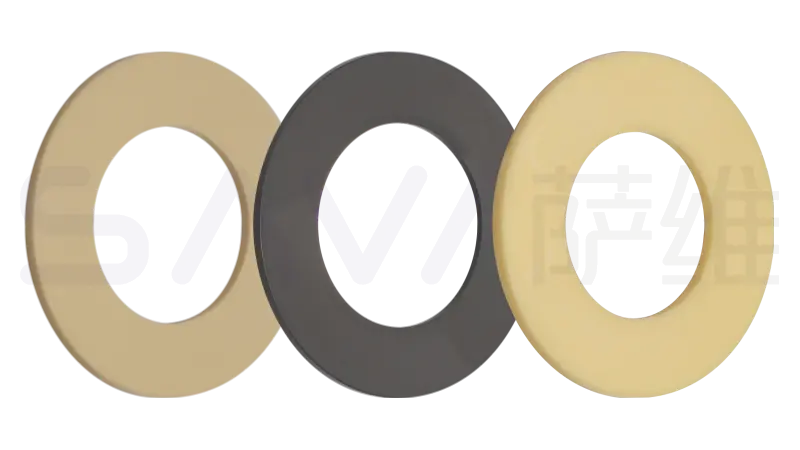
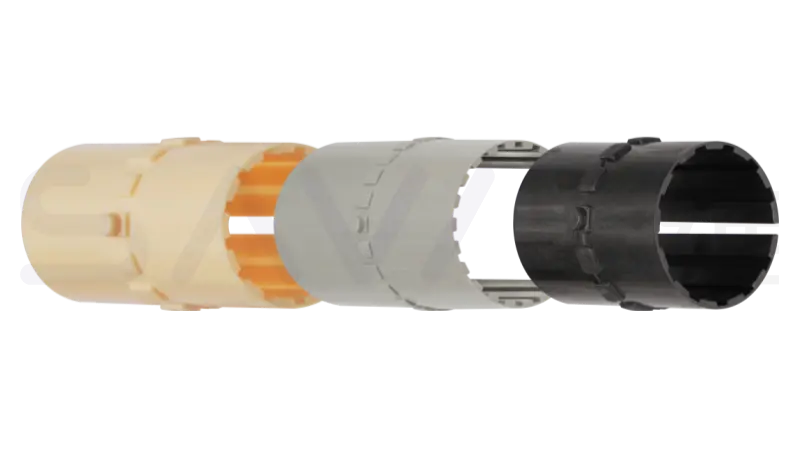
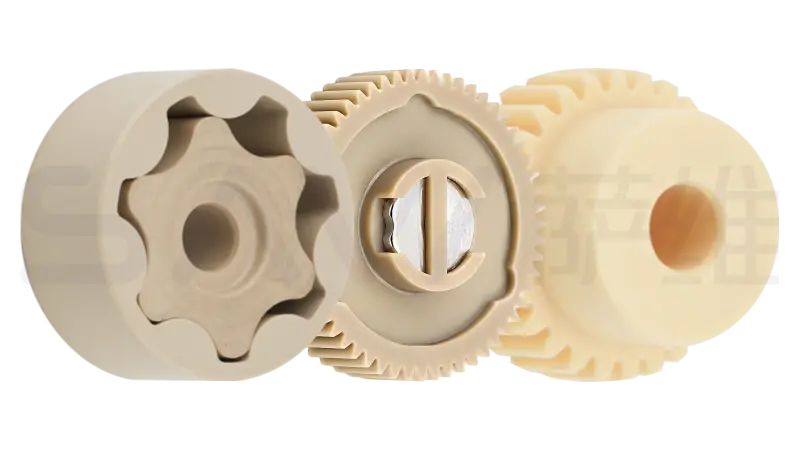
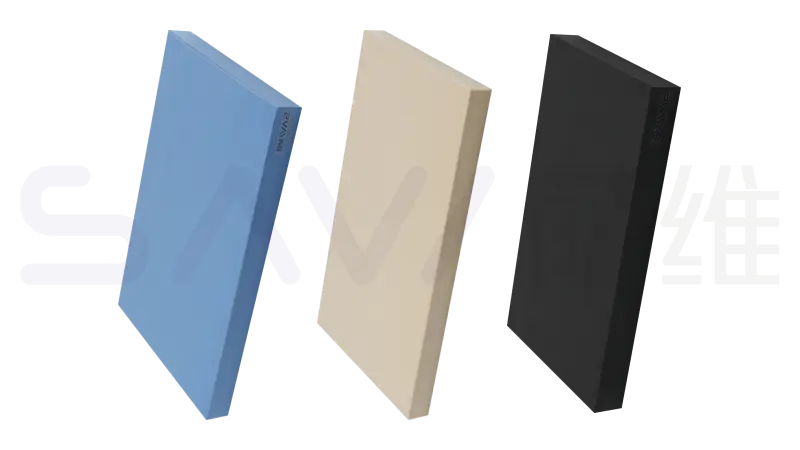
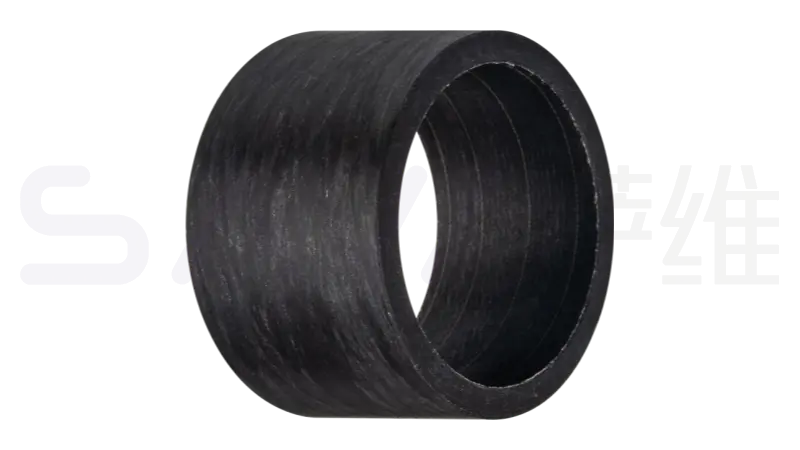
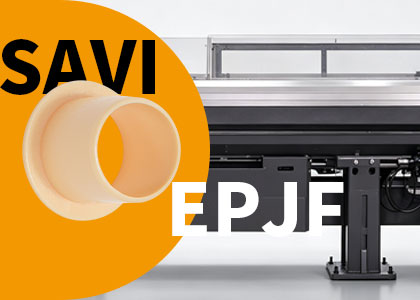
ENGINEERING PLASTICS

more

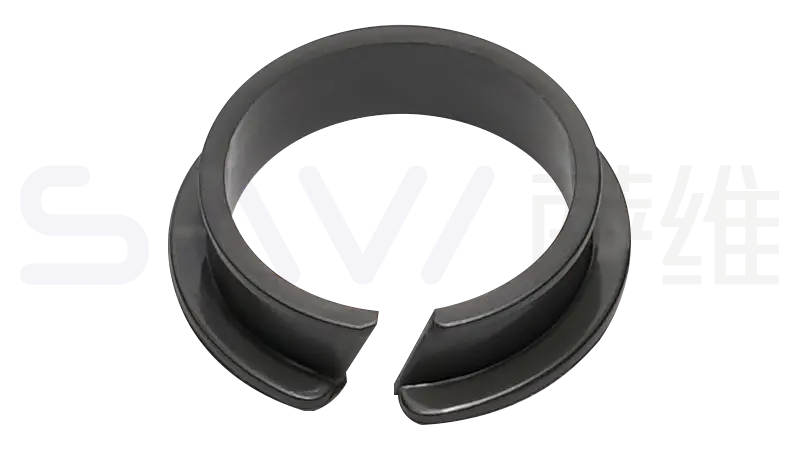
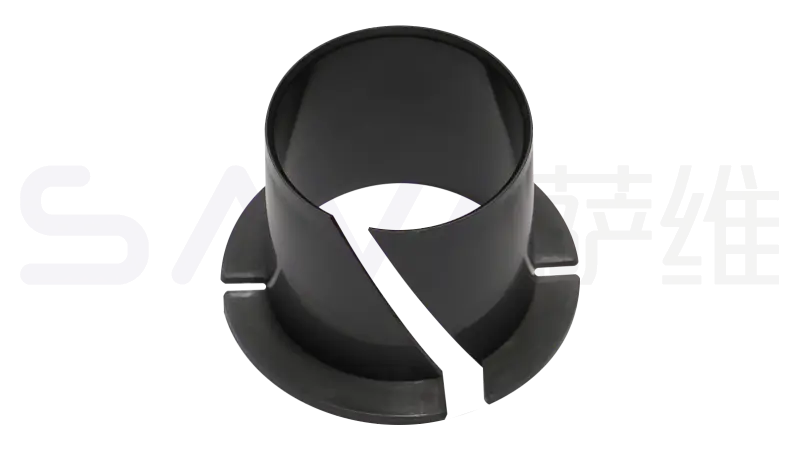
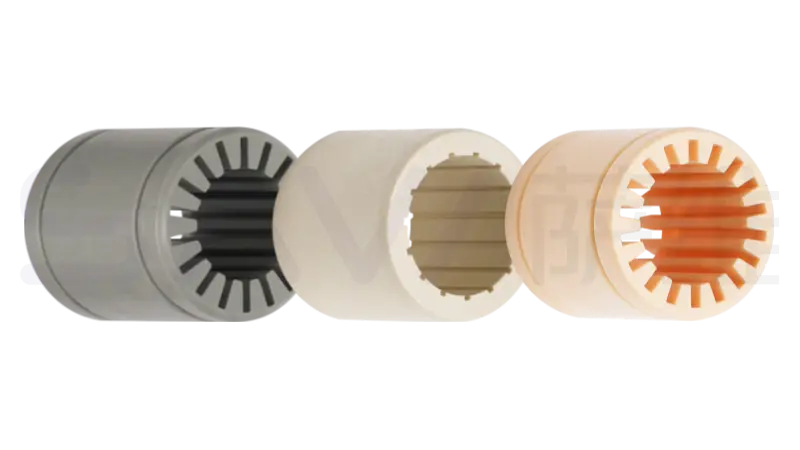
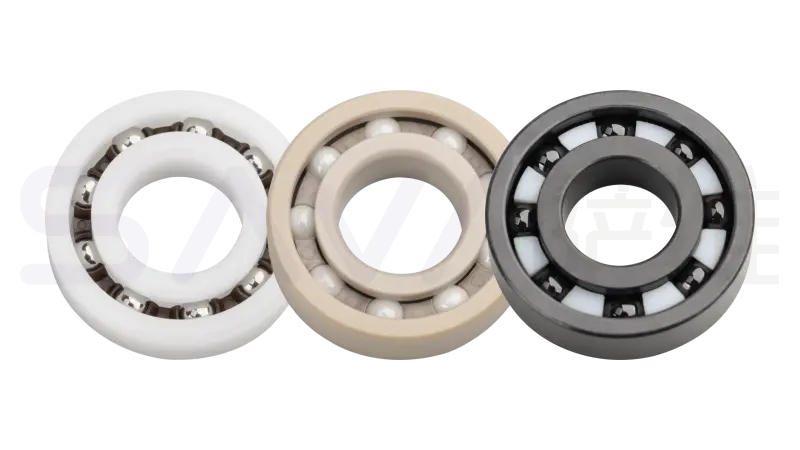
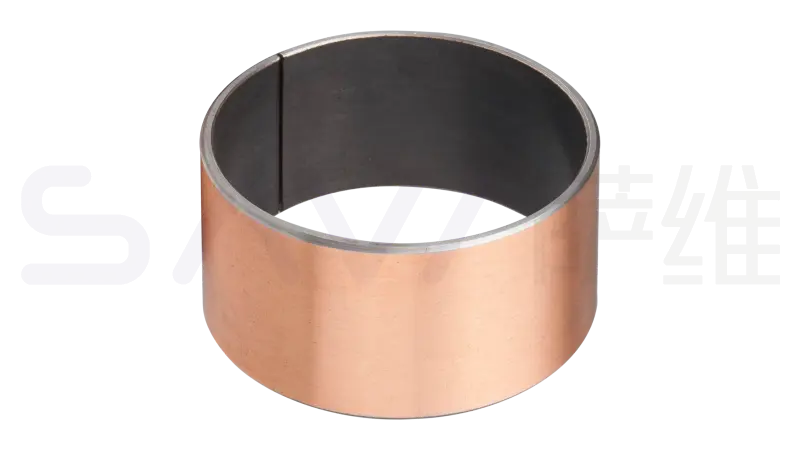
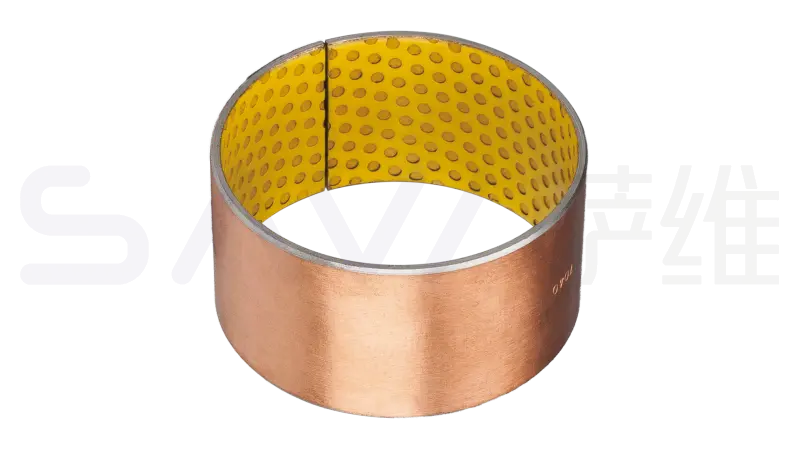
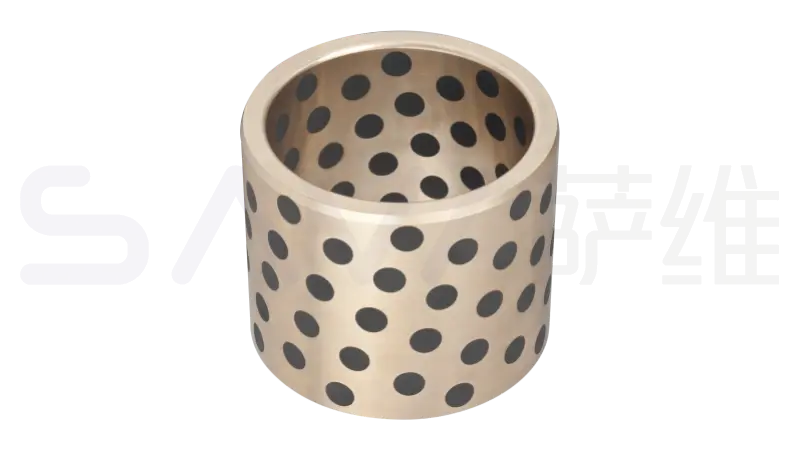
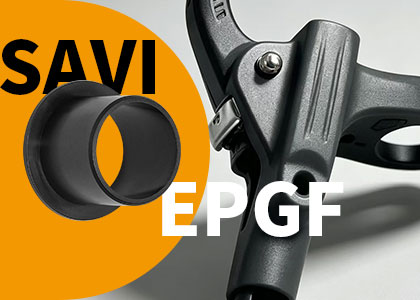
SELF-LUBRICATING

more

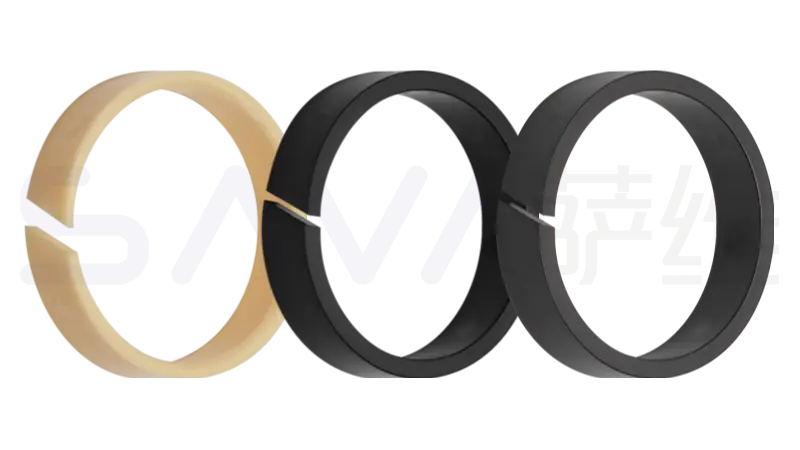
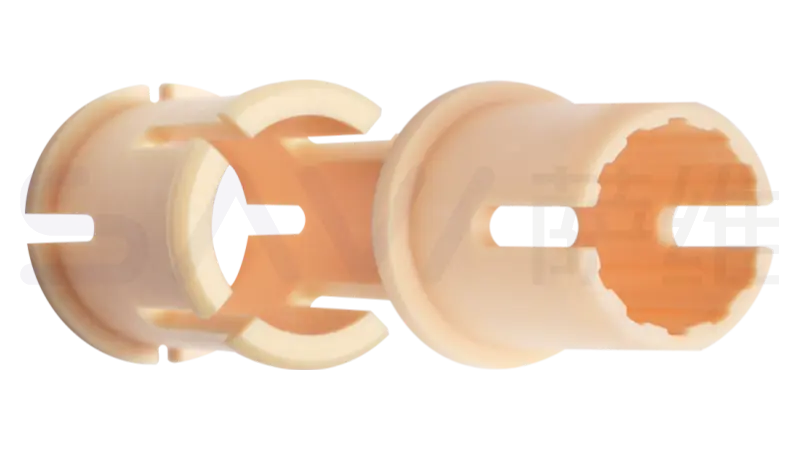
WEAR-RESISTANT

more

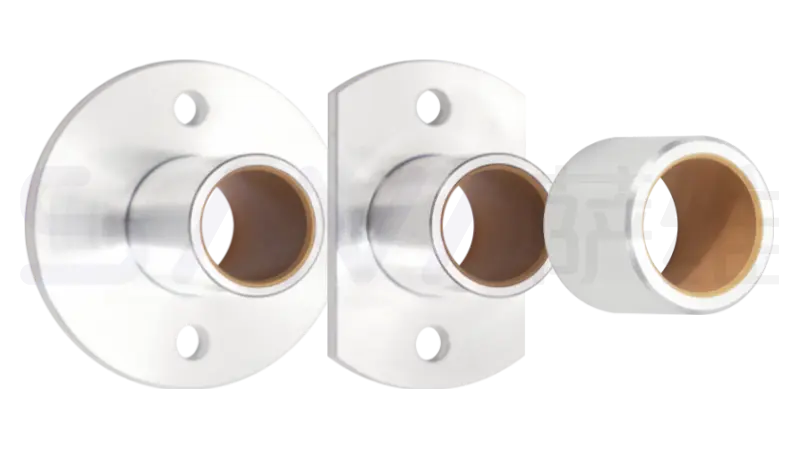
FOOD INDUSTRY

more

News Products

Continuous Innovation, Together for a Quality Life

About us

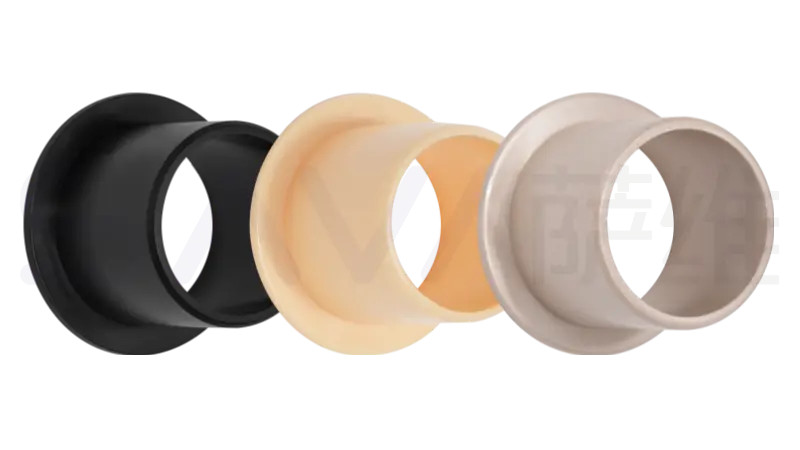
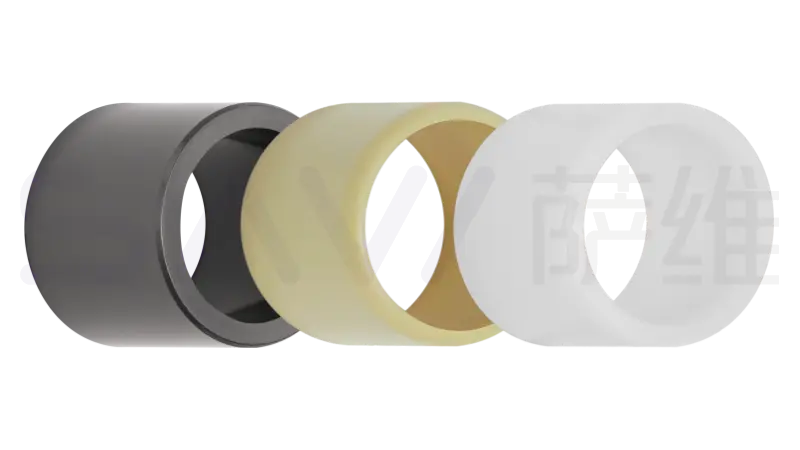
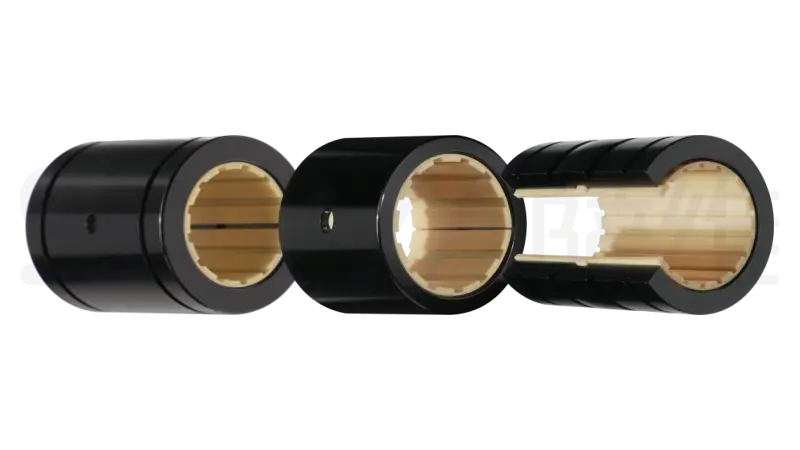
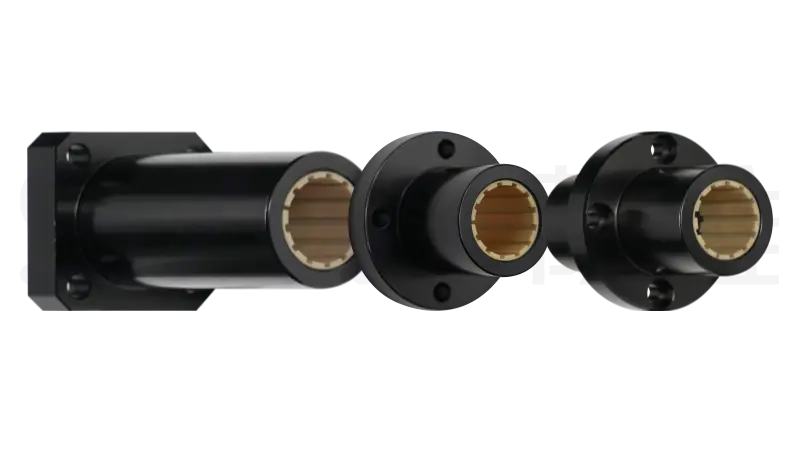
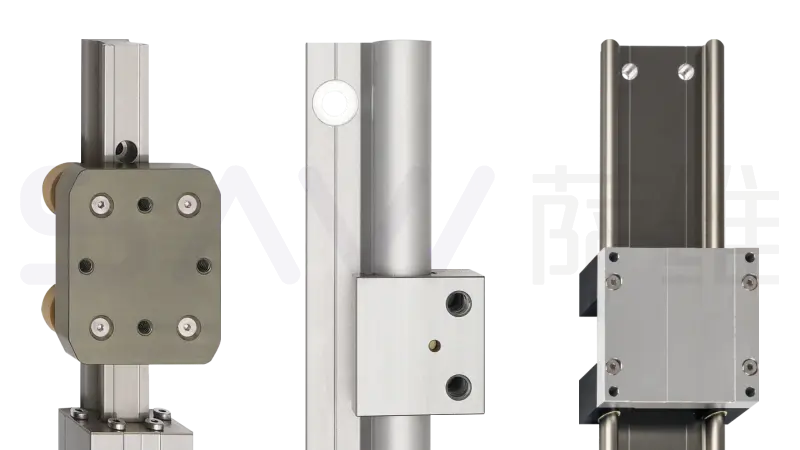
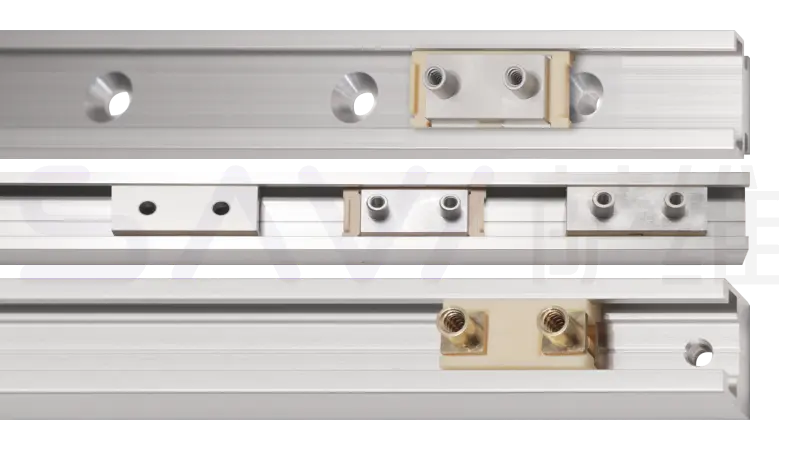
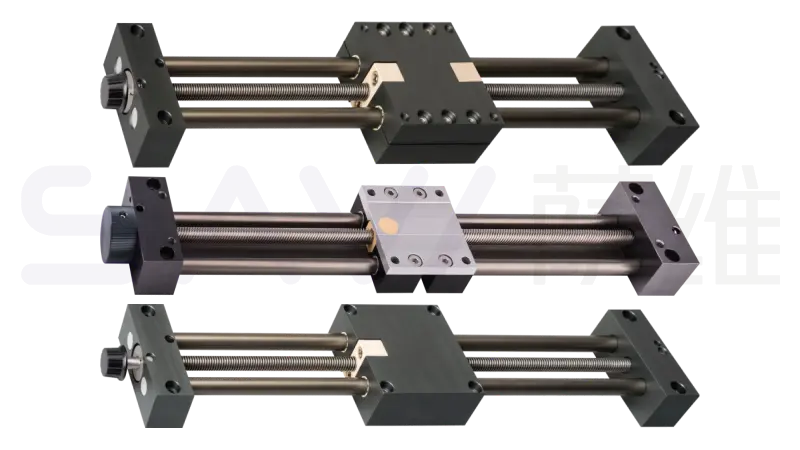
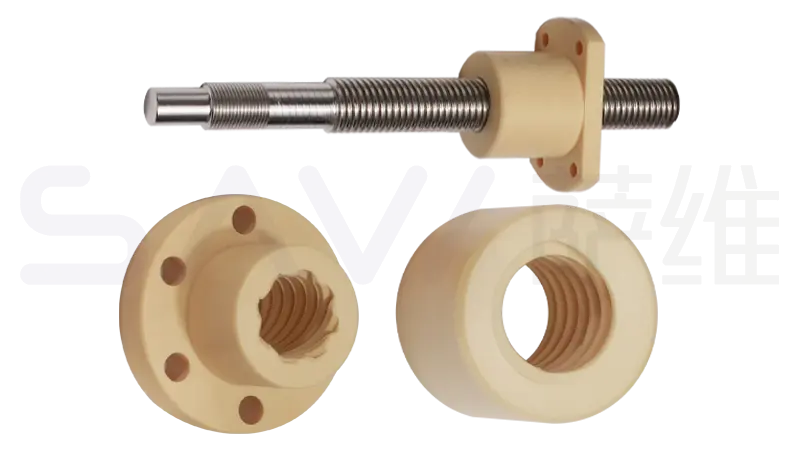
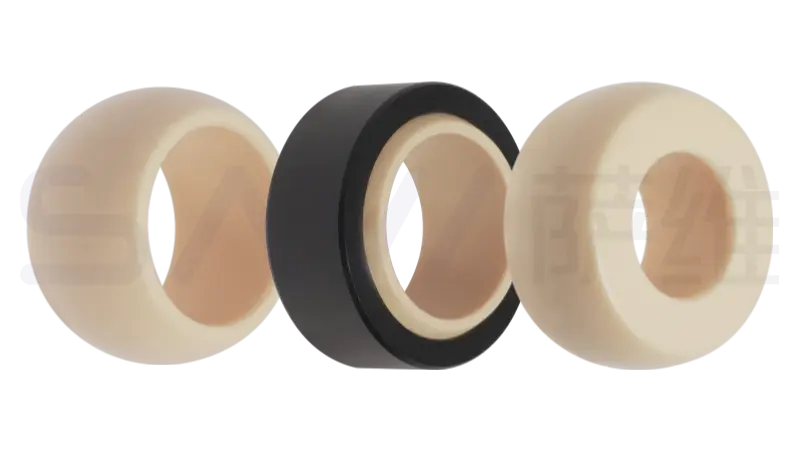
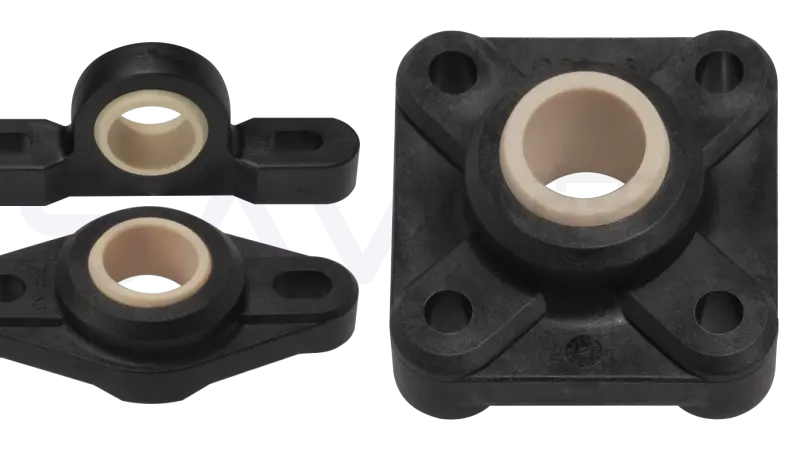
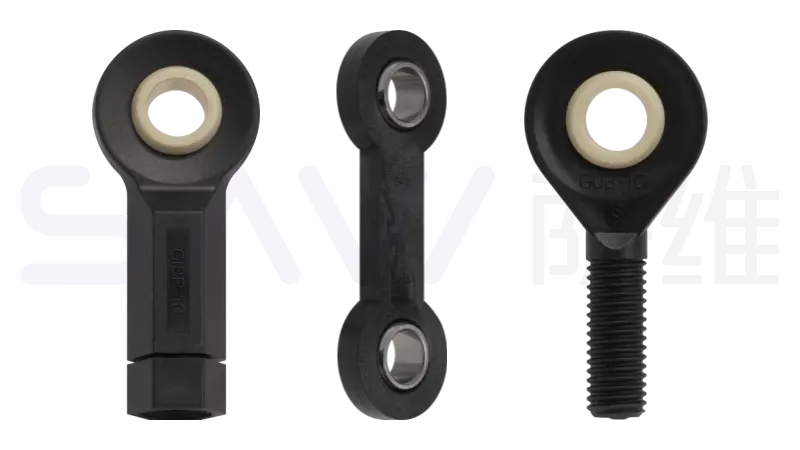
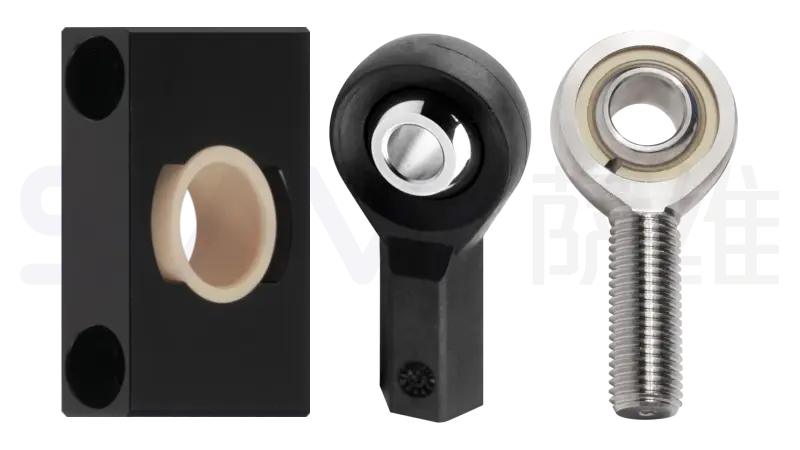
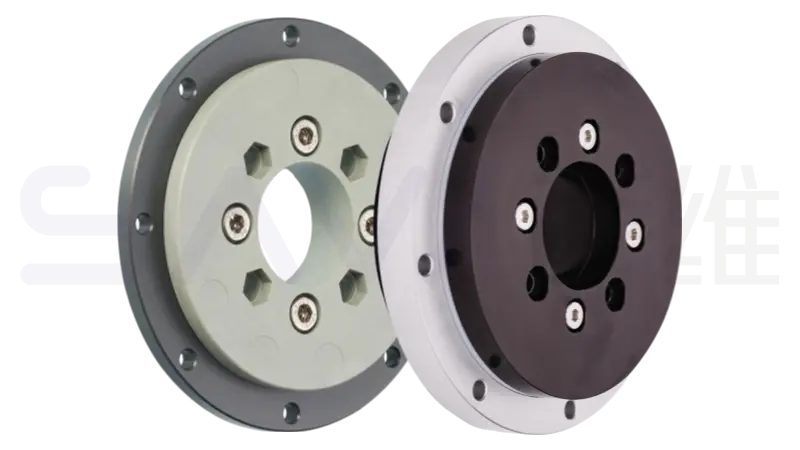
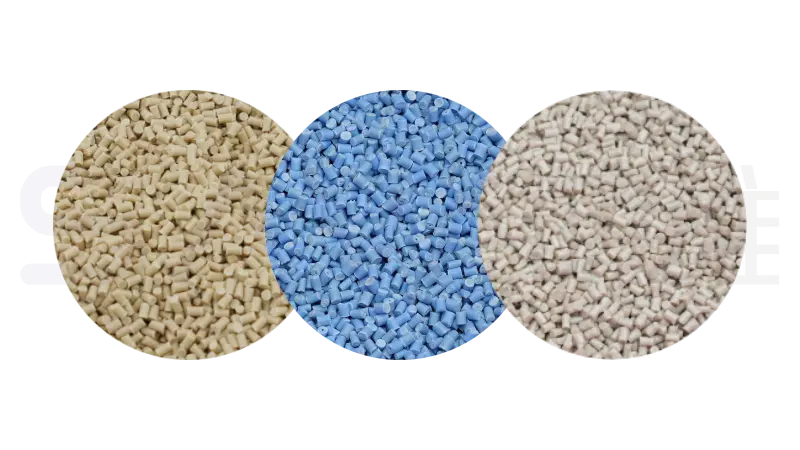
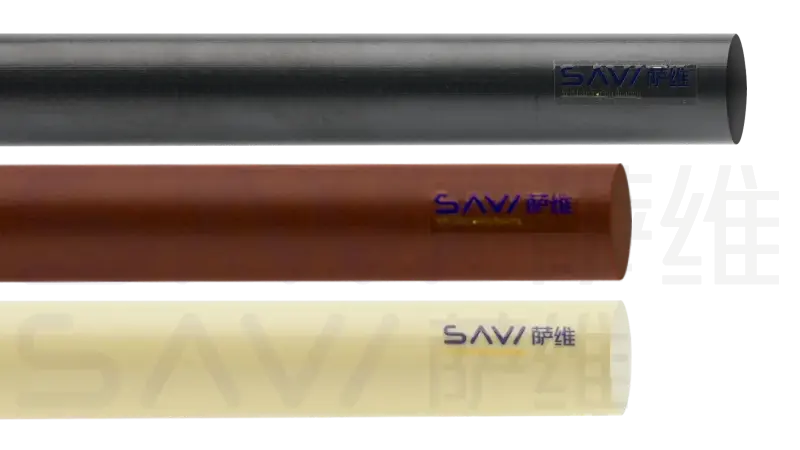
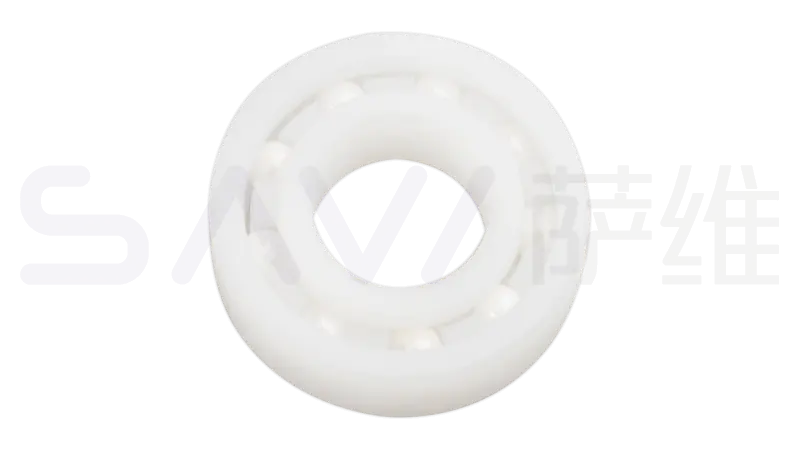
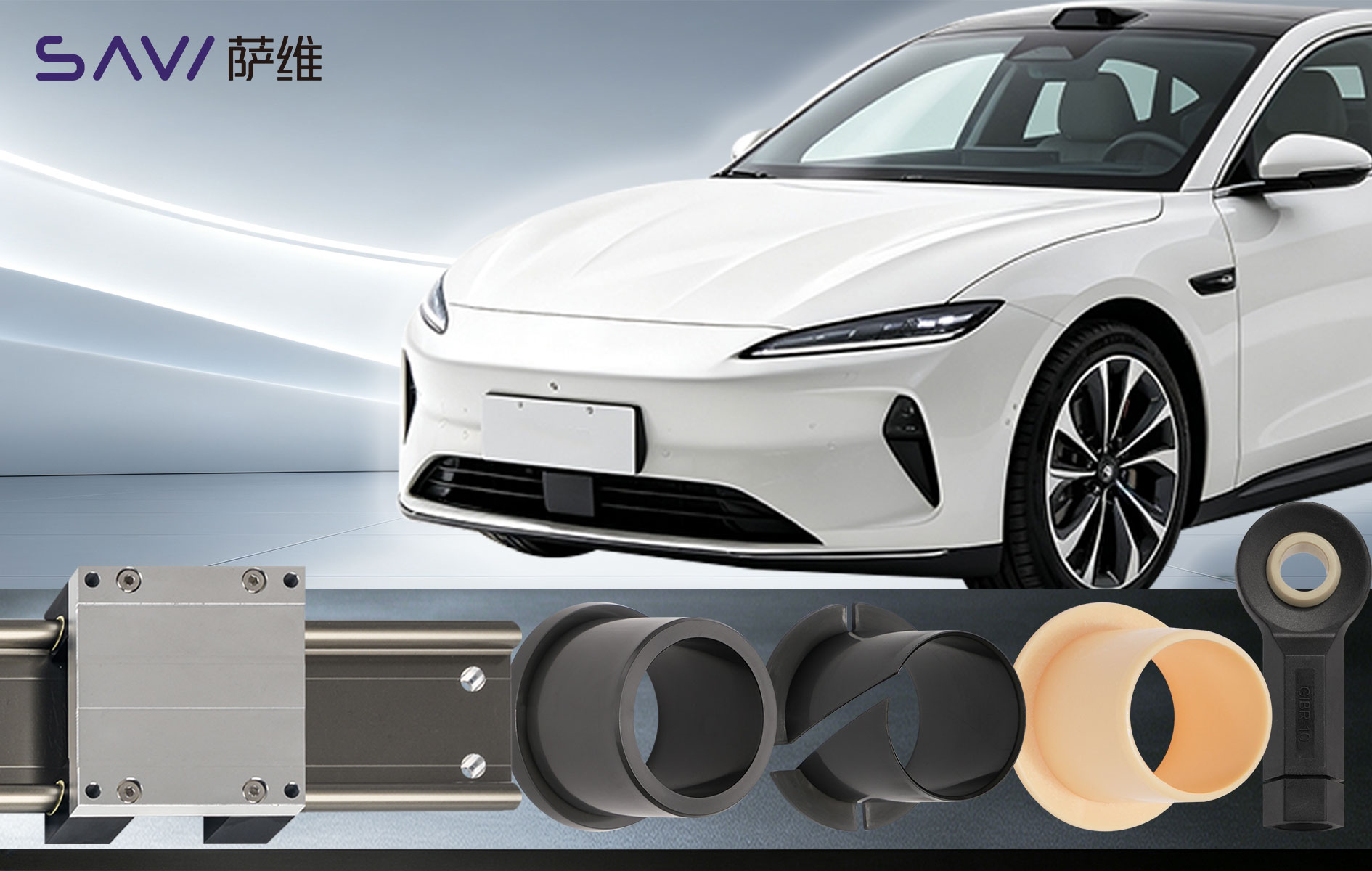
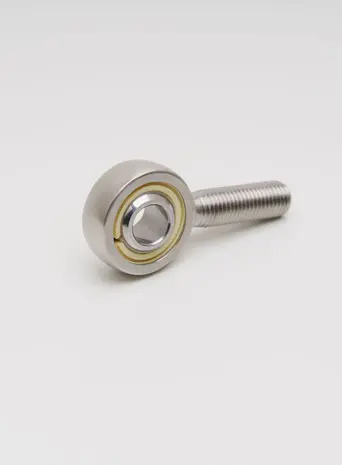
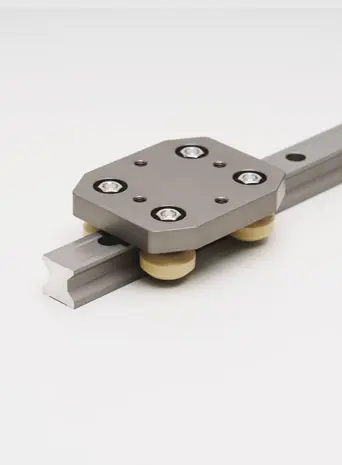
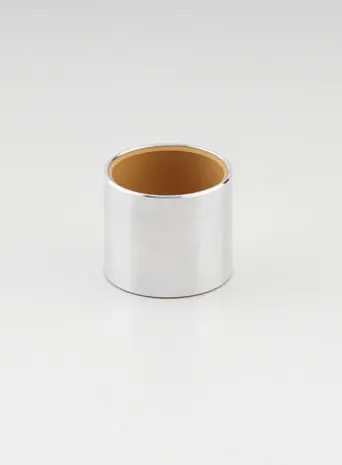
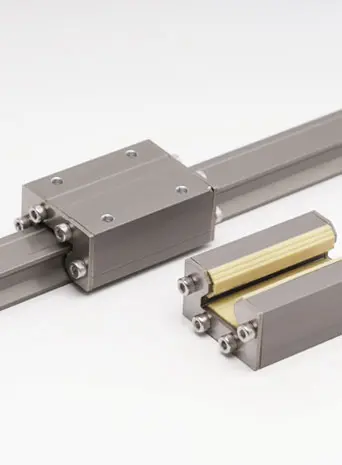
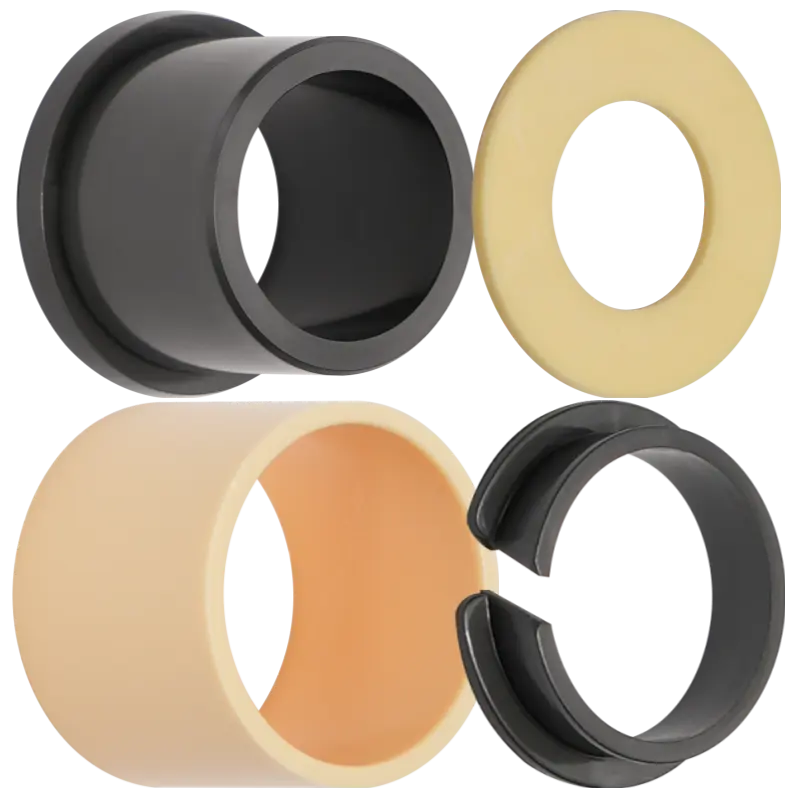
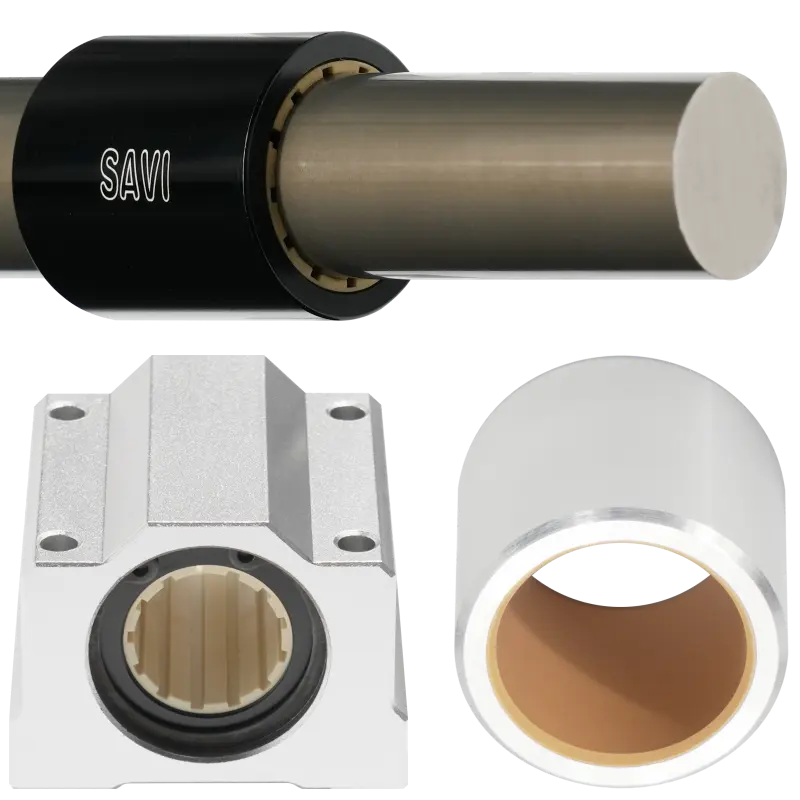
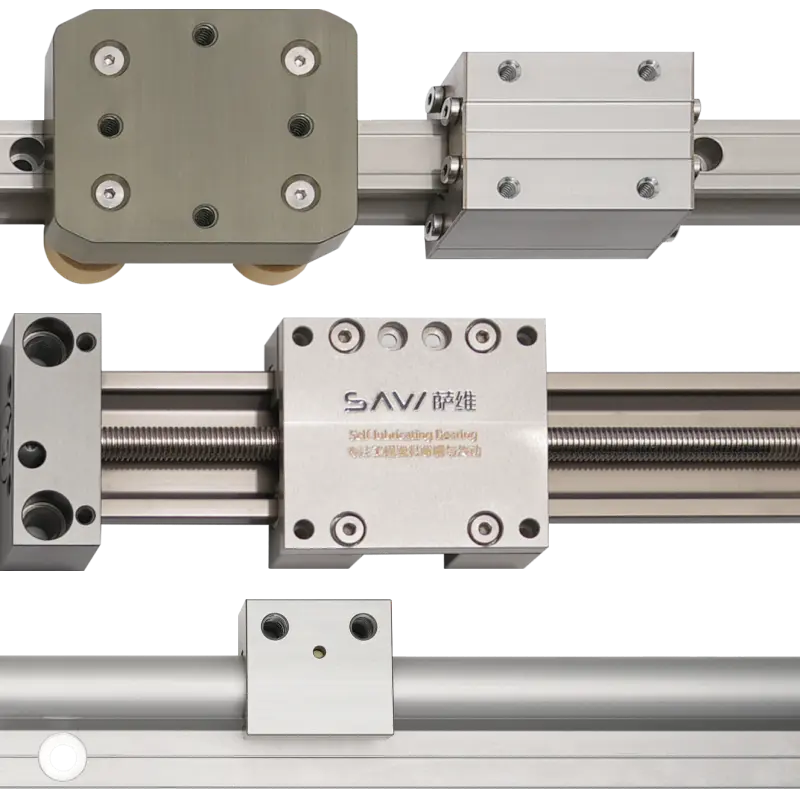
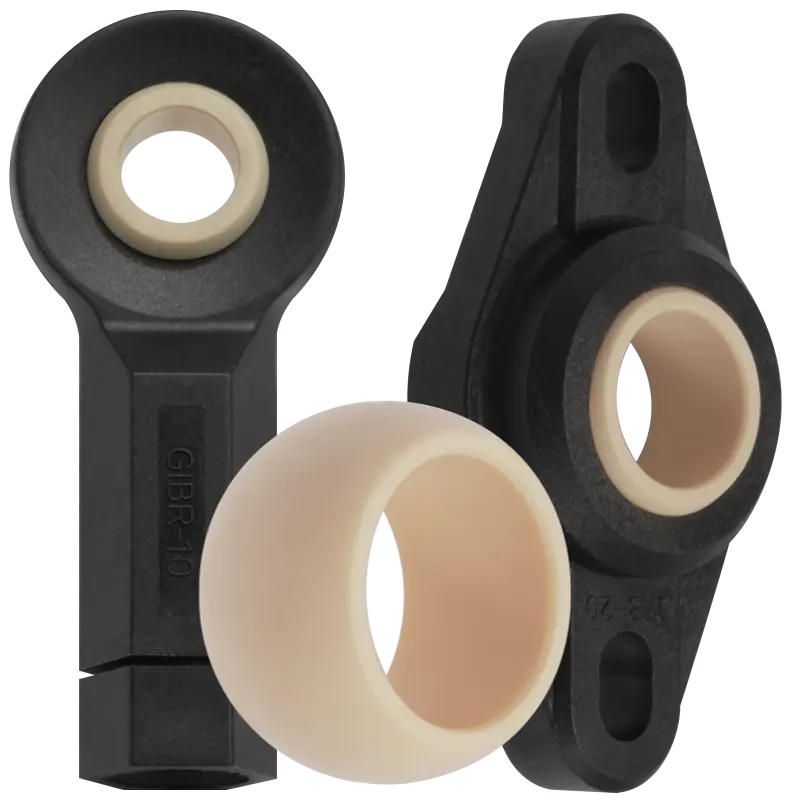
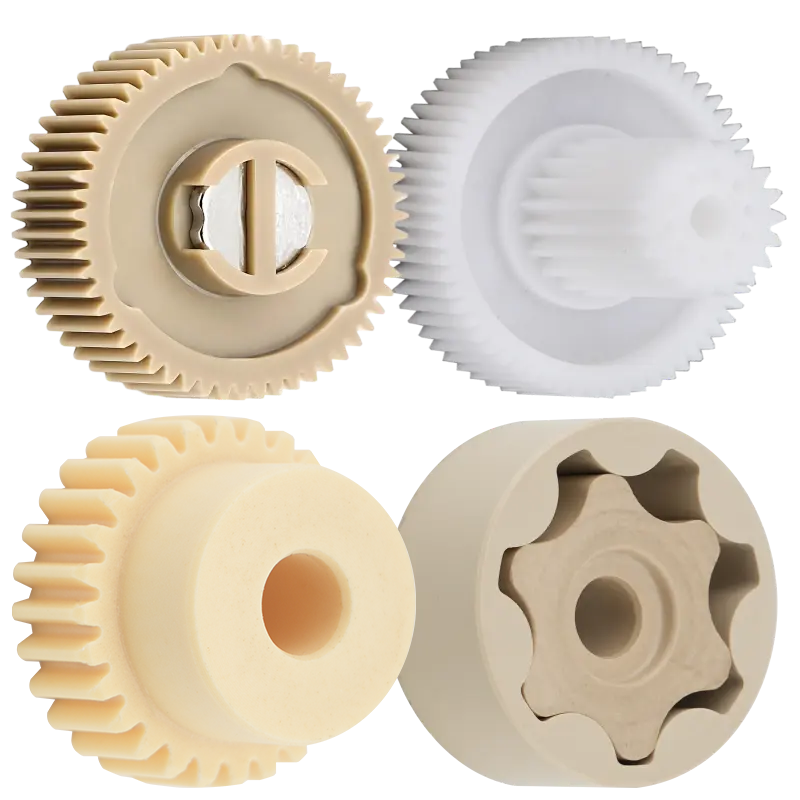
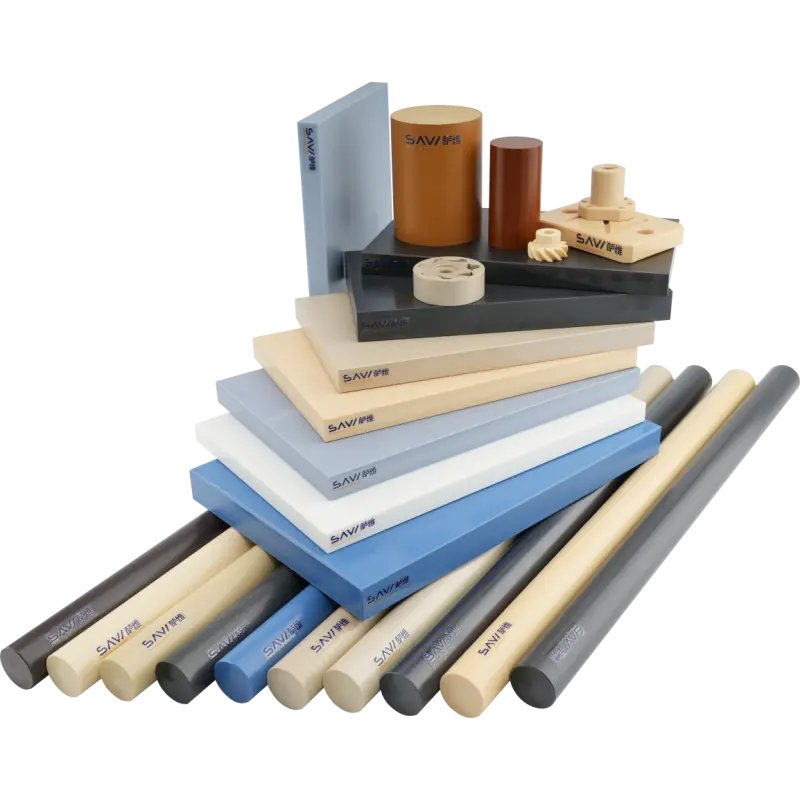
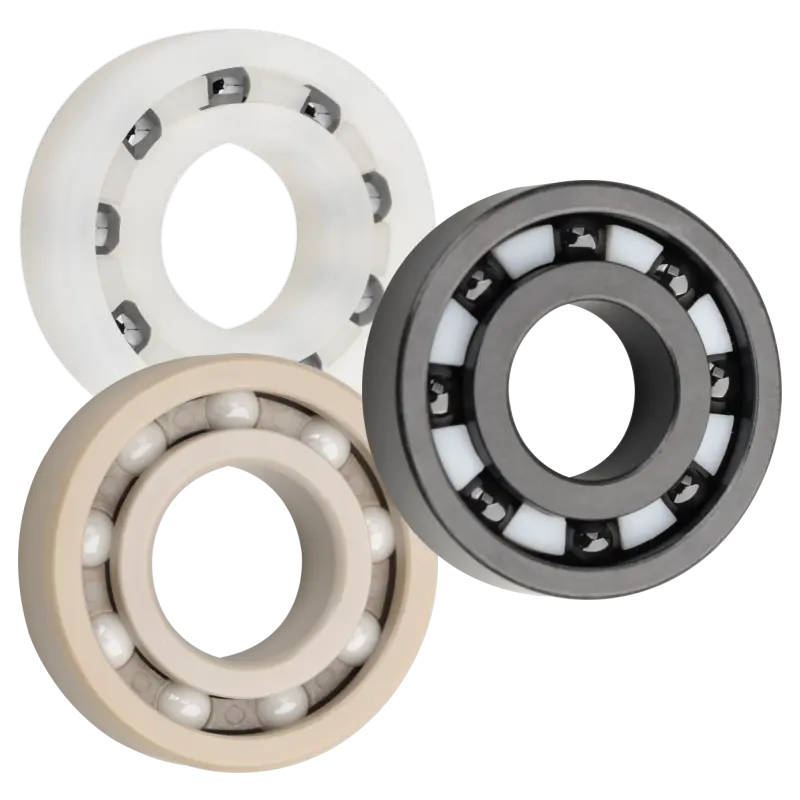
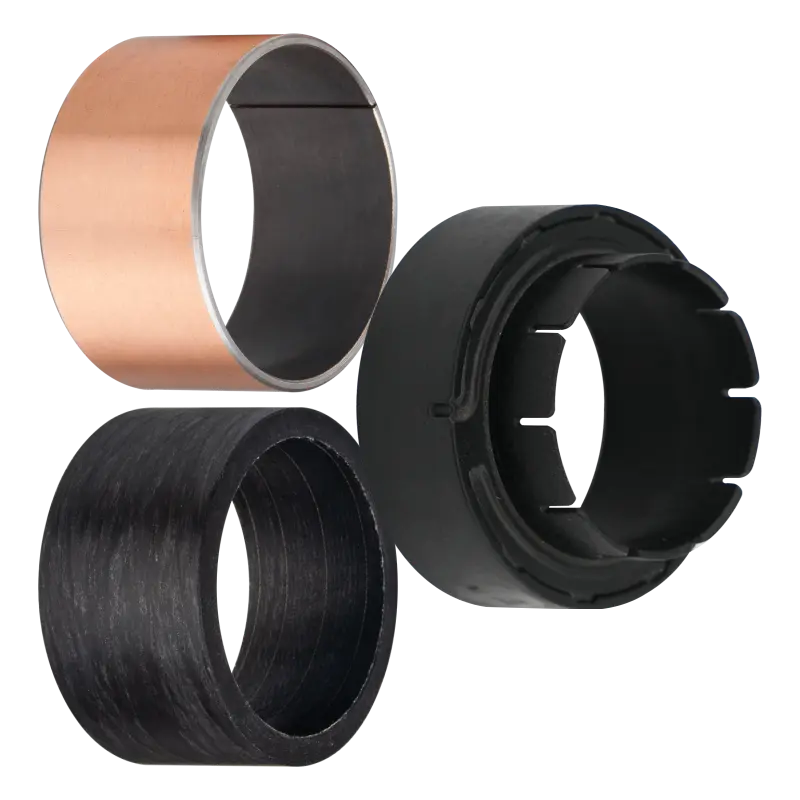
Zhejiang Savi Technology Co., Ltd. is a national high-tech enterprise specializing in the R&D, production, and sales of maintenance-free self-lubricating materials. The company has passed IATF 16949:2016 and ISO9001 . Over the years, Savi has been committed to optimizing the friction and wear of engineering plastics to meet the demands of industrial applications. Our main products include engineering plastic self-lubricating bearings, engineering plastic linear guide systems, engineering plastic spherical plain bearings, and various series of wear-resistant rods, plates, and granules.

After years of R&D, production, and sales, the company has accumulated extensive and valuable experience. Our products are widely used in automated mass production, special machinery manufacturing, underwater applications, and the food and pharmaceutical packaging industries. They are also suitable for extreme environments, meeting requirements such as corrosion resistance, chemical resistance, high-temperature and low-temperature operation, dust resistance, vibration resistance, and noise reduction. Our products are exported to more than 40 countries and regions, including Germany, Italy, Japan, India, Russia, South Korea, and Taiwan, earning a solid international reputation.

Savi bearings are self-lubricating, maintenance-free, and highly cost-effective. Savi will provide the solution that best suits your needs. We warmly welcome customers to contact us for consultation and cooperation.


Products

Regular Stock, Full Specifications, High Quality — Built for Efficient Operation

Applications

Intelligently Manufactured Joints for Efficient Operation

News

Intelligently Manufactured Joints for Efficient Operation

FAQ

Intelligently Manufactured Joints for Efficient Operation

  • Q1: How do plain bearings achieve oil‑free self‑lubrication?

    A: "SAVI features a special material composition, typically consisting of a thermoplastic matrix, reinforcing fibres and solid lubricants. The matrix and its network structure inherently deliver favourable friction and wear‑resistant properties, which are further optimised by solid lubricants. As the bearing starts to move, numerous tiny solid‑lubricant particles are released from the network. Consequently, additional lubrication with liquid lubricating oil is generally not required."
  • Q2: The measured dimensions of the plain bearing are considerably larger than values listed in the catalogue. What is the reason for this?

    A: "The plain bearing shall be measured after being pressed into the base bore. If measurement is performed with the bearing in the unpressed condition, both its outer diameter and inner diameter will be larger than under the assembled condition (interference‑fit condition)."

  • Q3: How should plain bearings be installed?

    A: "SAVI bearings shall be assembled by interference press‑fitting. After the bearings are pressed into the H7 housing bore, their inner diameters will shift to the corresponding tolerance range, followed by inspection using go‑no‑go gauges. The maximum interference value can reach 2 % of the inner diameter of the housing bore."

  • Q4: What advantages do SAVI bearings have compared with bronze bushings and conventional oil‑free bushings?

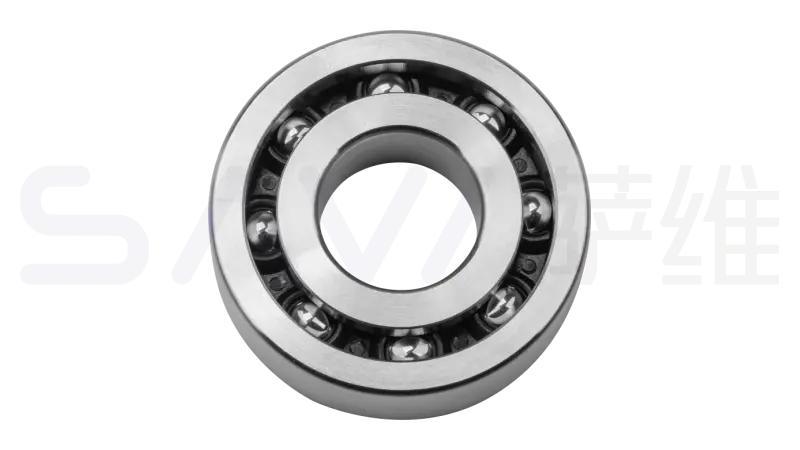
    A: "Compared with conventional bronze bushings, SAVI self‑lubricating bearings feature several significant advantages. First, maintenance‑free: no oil refilling throughout the whole service life, which reduces operating costs and maintenance workload and brings lower overall cost. Second, light‑weight: the EP series weighs approximately 1/7 of bronze bushings, facilitating equipment weight reduction. Third, low noise: the damping property of plastic material can effectively absorb vibration and reduce noise. Fourth, strong environmental adaptability: it delivers more stable performance under harsh conditions such as dry friction, dust exposure and chemical corrosion."

  • Q5: During the normal running‑in period of plastic plain bearings, small amounts of black or off‑white powder may be generated within the first few hours of operation for newly‑assembled equipment.

    A: "This indicates the formation of a transfer film on the bearing surface. The core lubrication mechanism of our material is to deposit an extremely thin uniform solid‑lubricating film onto the mating metal shaft surface. Before this film is fully formed, excess loosely‑adhered lubricating particles detach in powder form. This is actually an advantage of this type of bearing: it actively lubricates the mating shaft instead of wearing itself away. Once this film is fully established (typically after 24‑48 hours of operation), dust generation will cease automatically. The bearing enters a stable phase with an extremely low wear rate, and the coefficient of friction drops to approximately 0.1‑0.2.


  • Q6: What are the differences between SAVI aluminium‑plastic linear drive and conventional recirculating‑ball linear guideways as well as linear ball bearings?

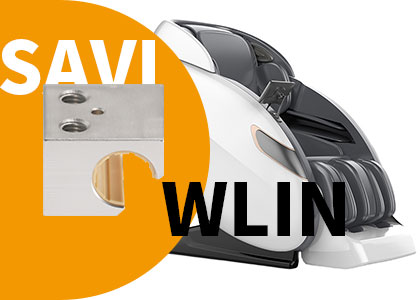
    A: "Conventional ball‑type products adopt rolling friction, and motion is realised by balls rolling within raceways. By contrast, the SAVI aluminium‑plastic linear drive works on sliding friction, where movement is achieved through sliding contact between the engineering‑plastic sliding film and the guideway surface. These fundamental differences bring the following characteristics of the SAVI‑LIN linear series: lower noise, lubrication‑free and maintenance‑free performance, dirt and dust resistance, lower cost and lighter weight. Nevertheless, ball guideways retain advantages in terms of accuracy and speed.

    Therefore, selection depends on your application requirements. If your application puts high priority on noise level, maintenance cost and environmental adaptability, while ultra‑high accuracy and speed are not required, SAVI linear guideways constitute a highly‑desirable option."