
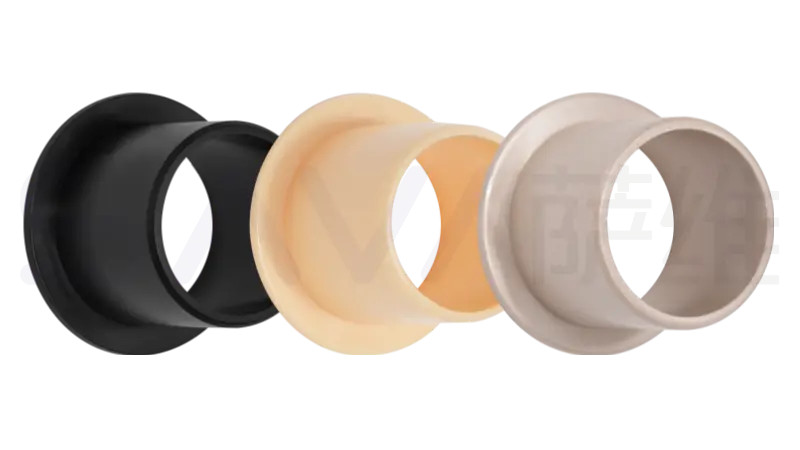
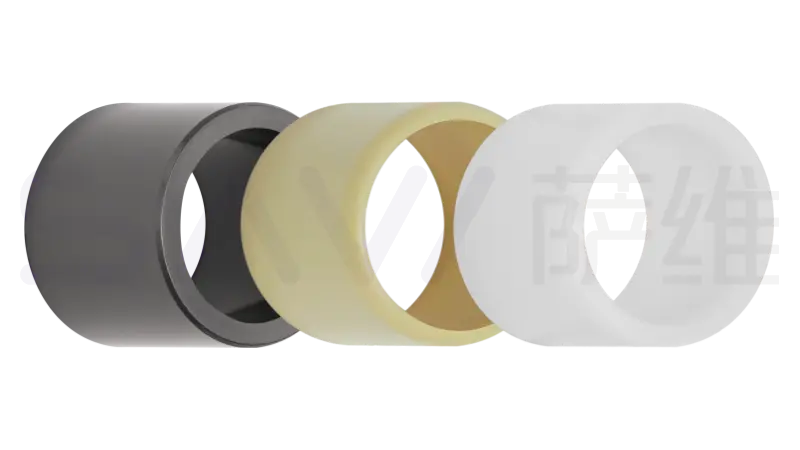
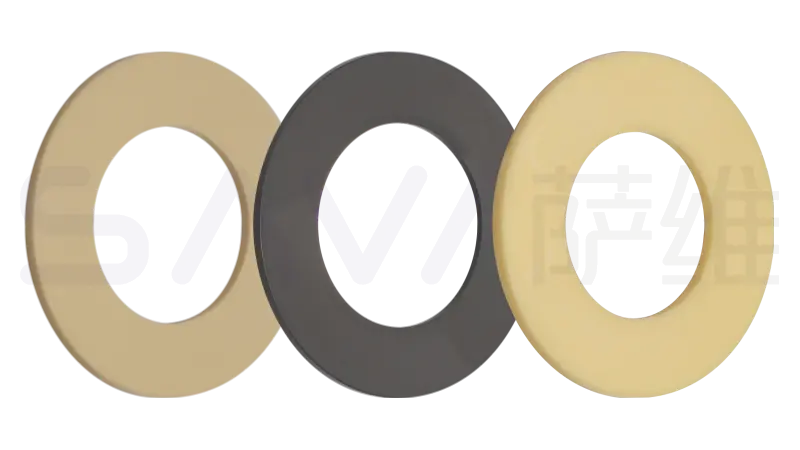
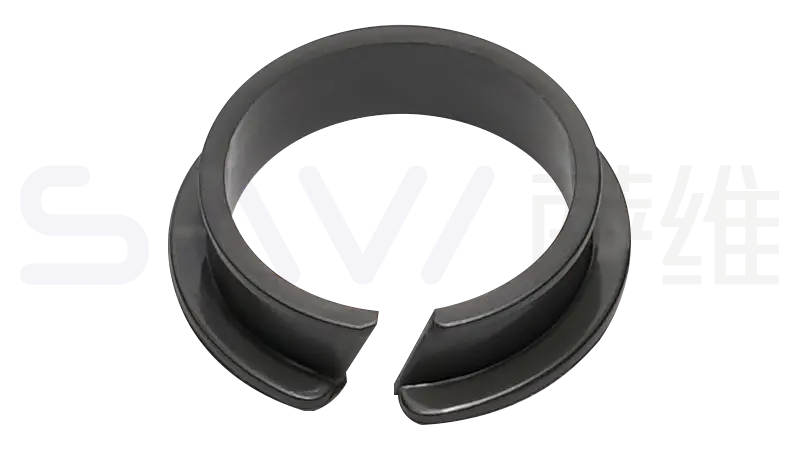
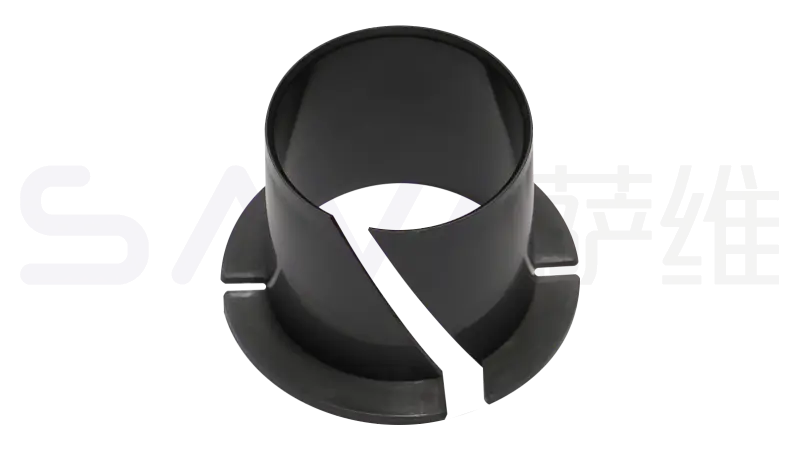
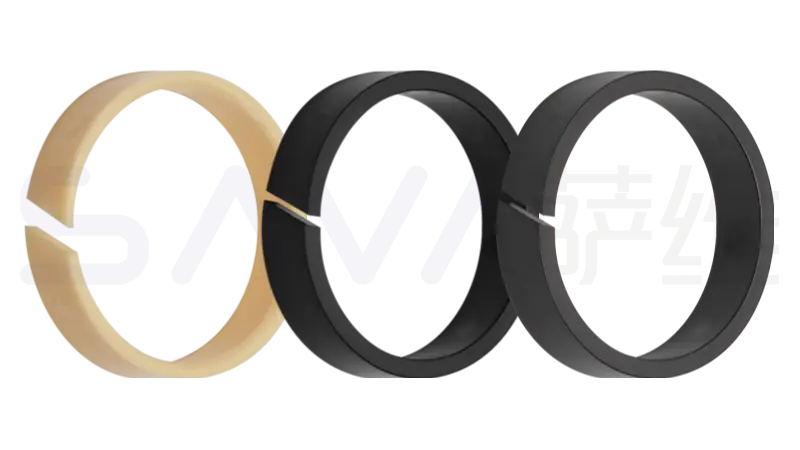
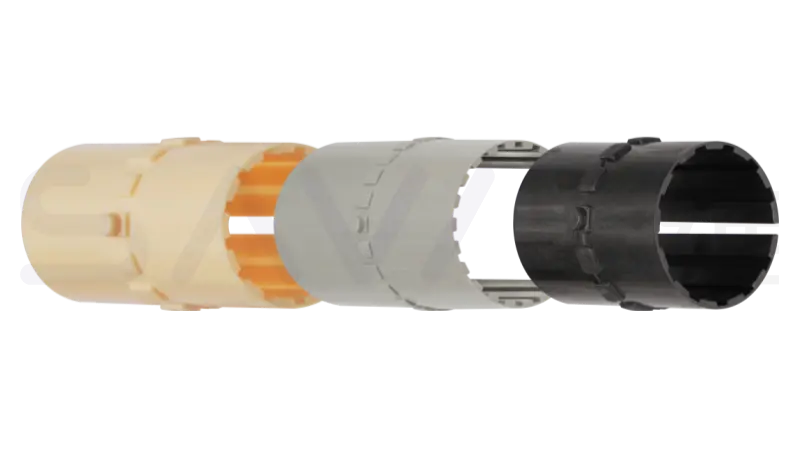
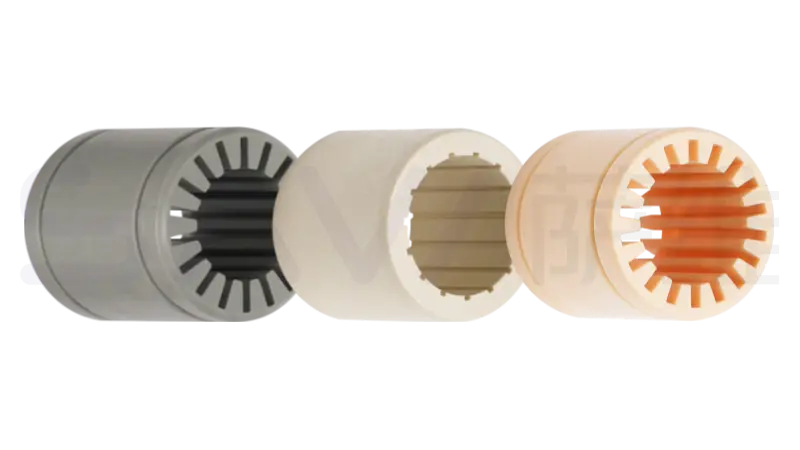
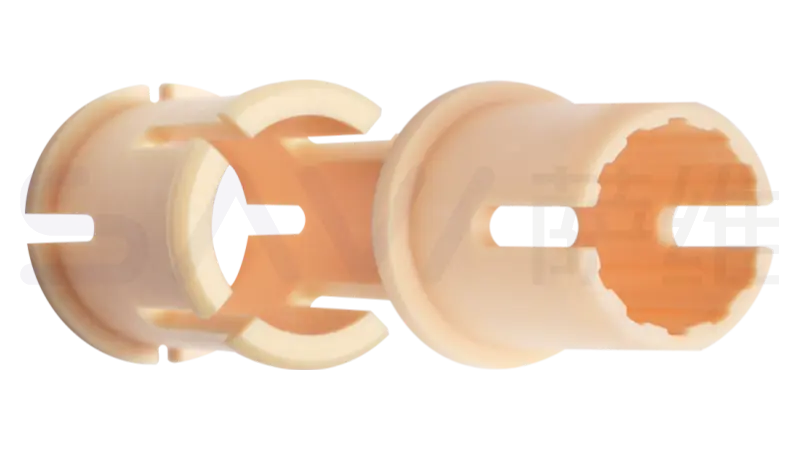
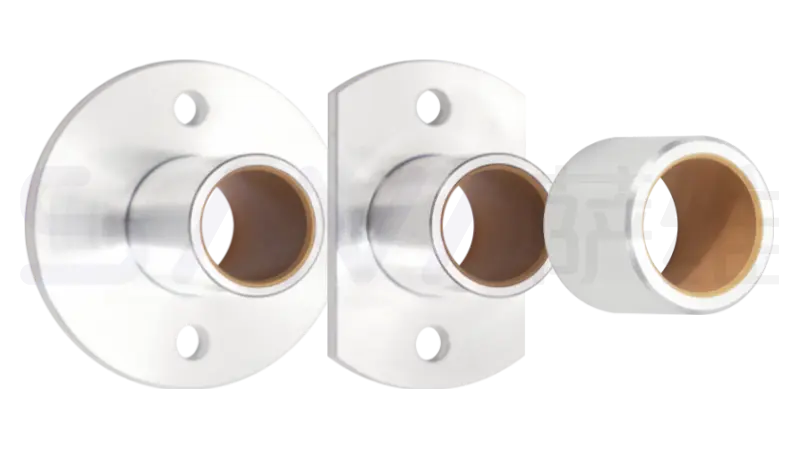
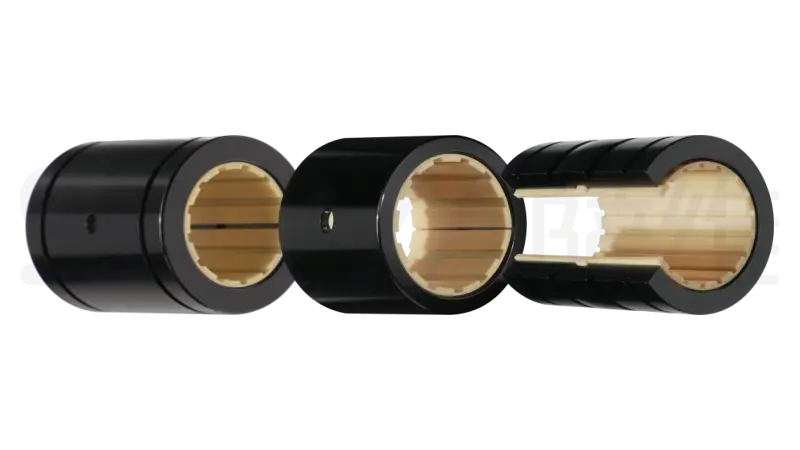
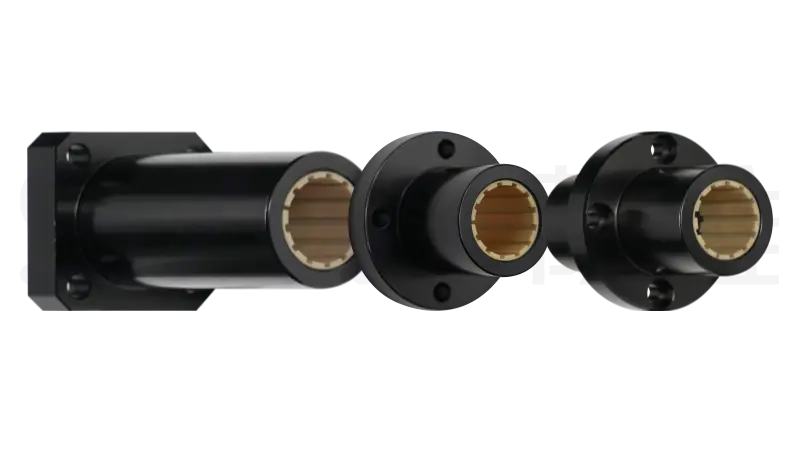
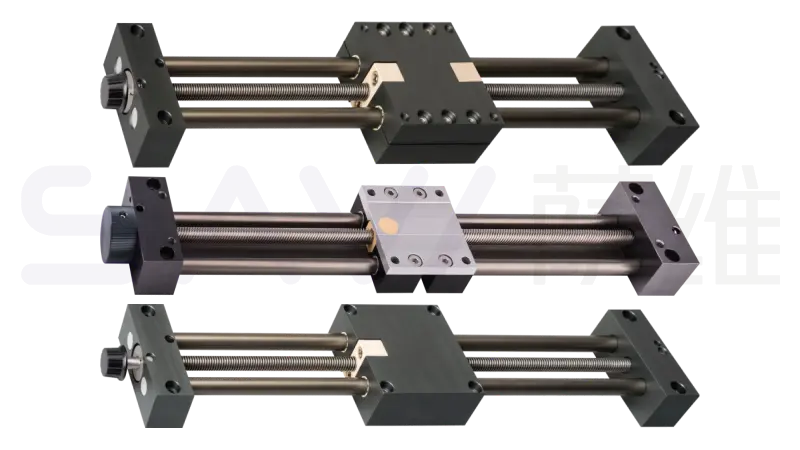
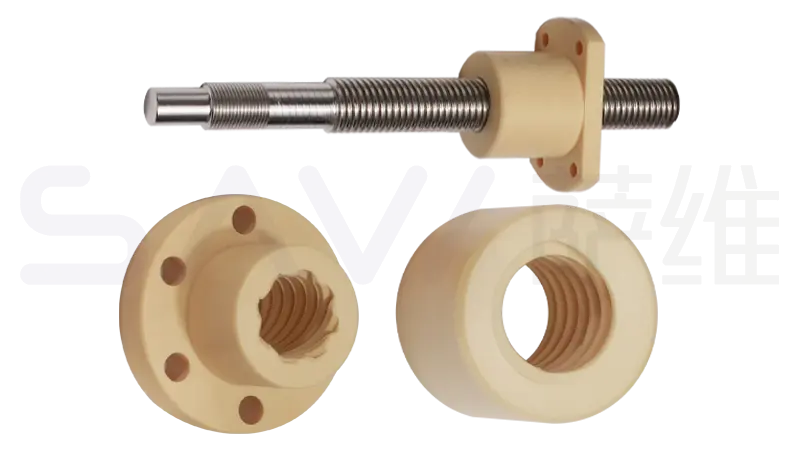
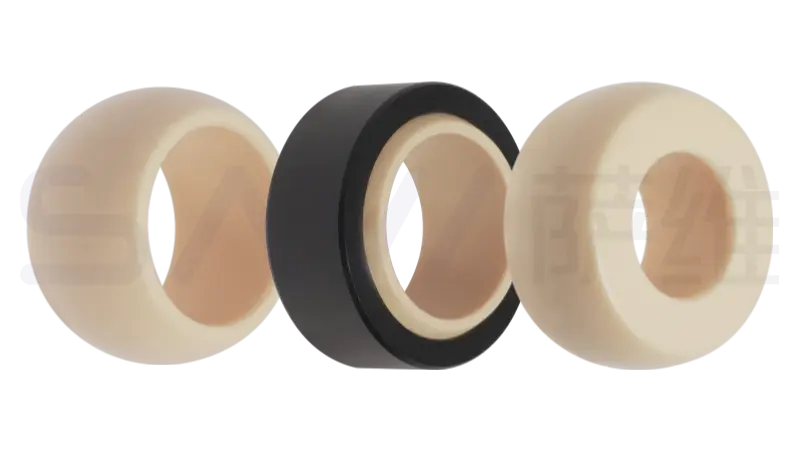
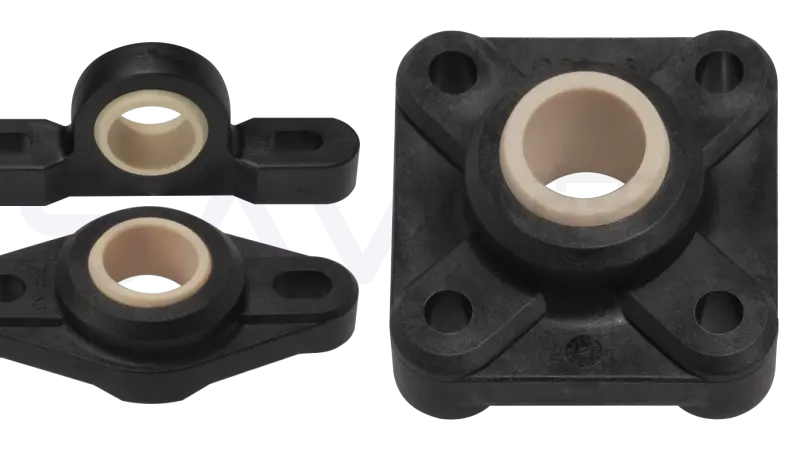
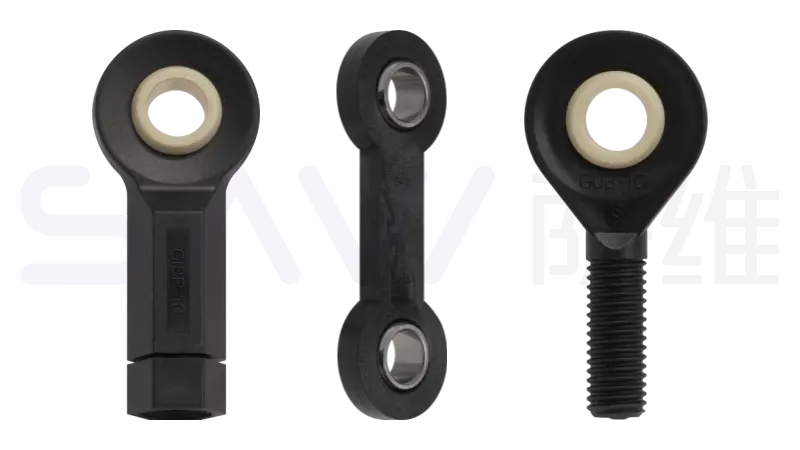
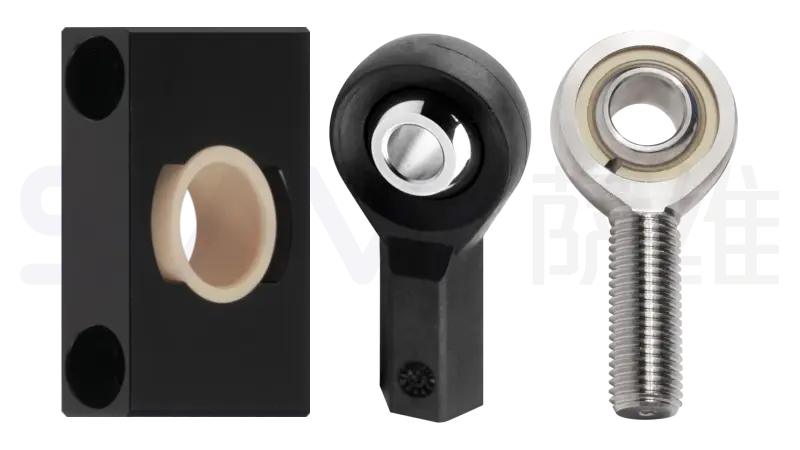
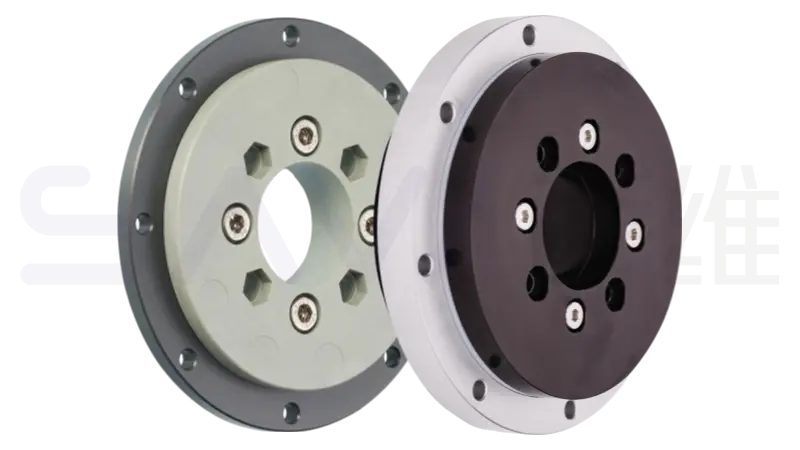
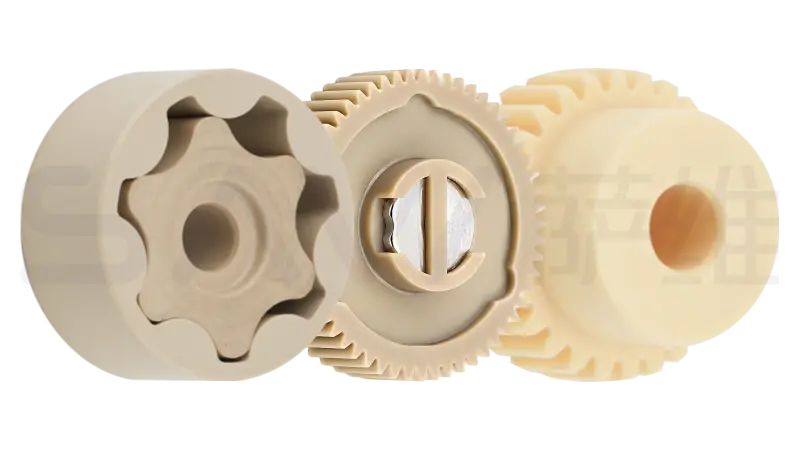
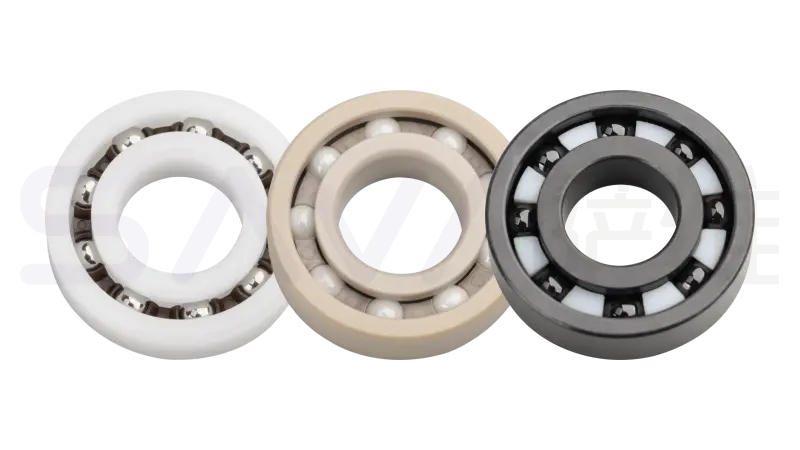
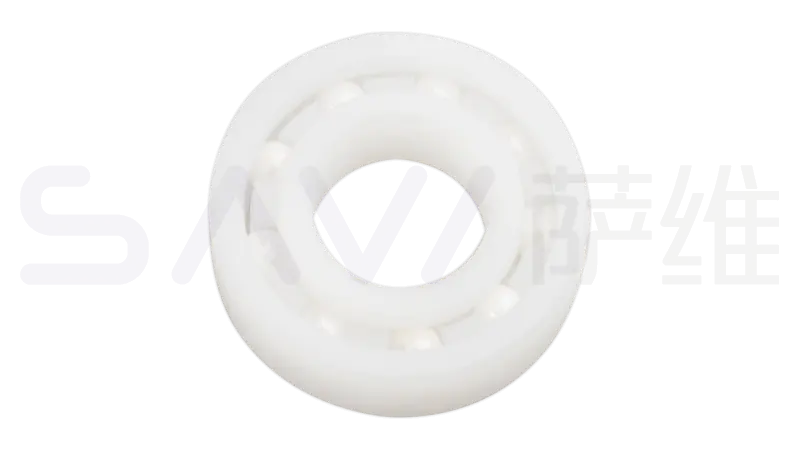
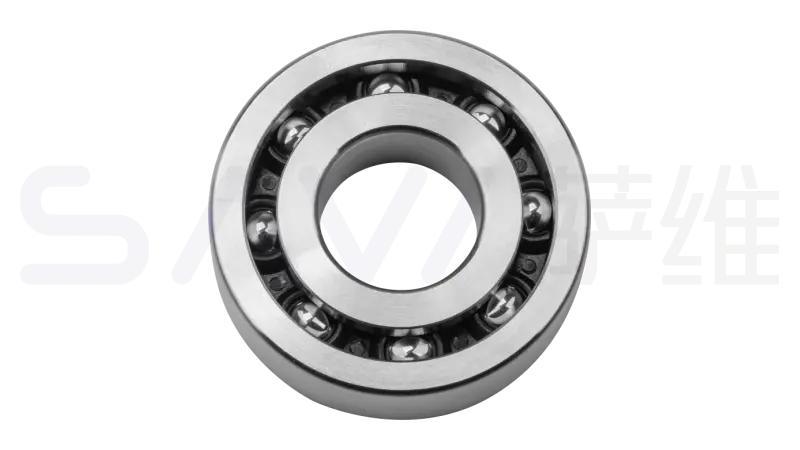
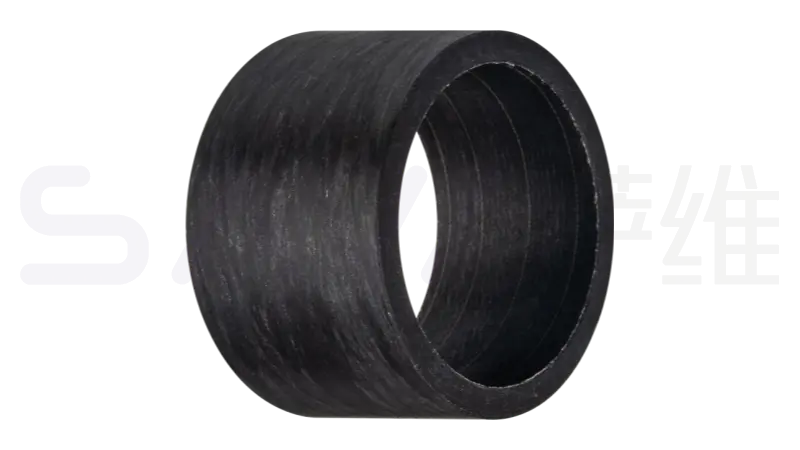
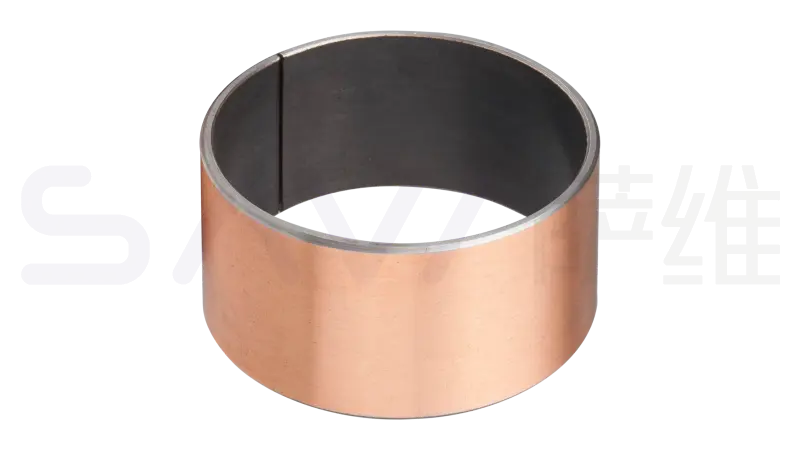
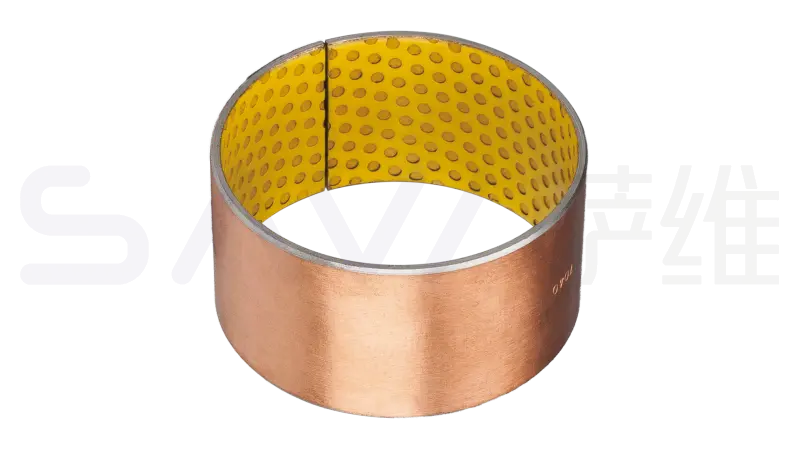
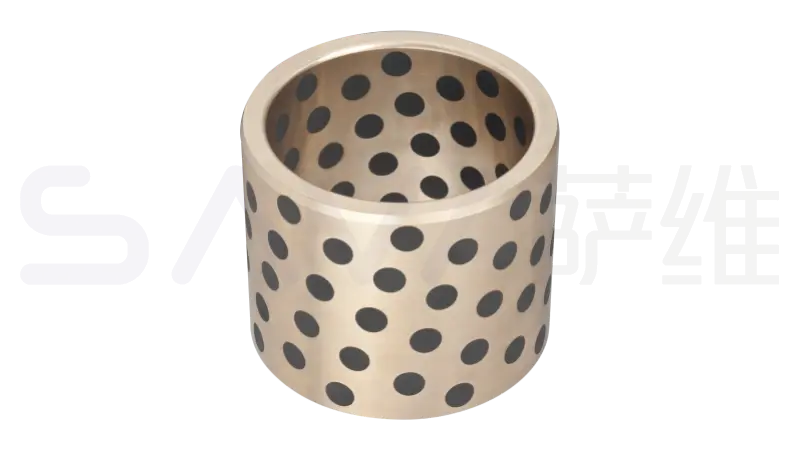





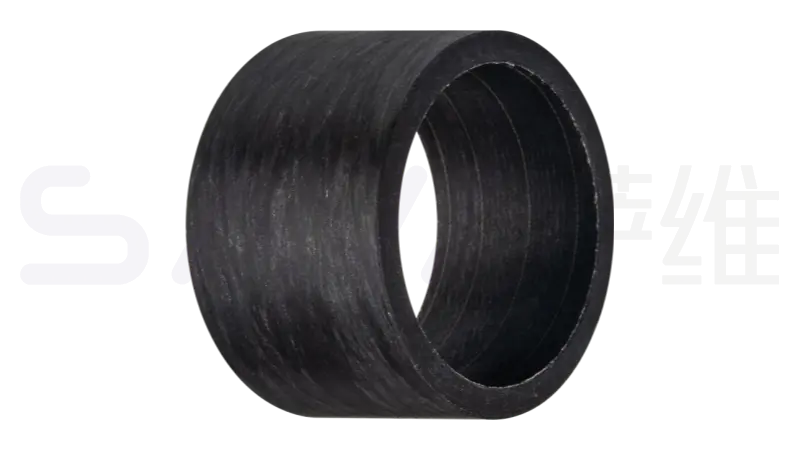
CRG filament-wound bearings feature a proprietary design that ensures the friction-resistant liner is mechanically locked within the composite matrix instead of simple adhesion. This proprietary construction also delivers excellent resistance to impact fatigue and cavitation.
CRG series bearings adopt a dry manufacturing process for liner integration. They offer exceptional impact resistance due to high-strength glass fiber filaments interwoven within the backing structure.
Differences between various liner structures are clearly reflected in three stages: firstly, the evolution of friction coefficient and wear during the running-in period; secondly, how bearings handle contaminants in polluted or unsealed environments; and lastly, long-term load-bearing service life. Liner construction also affects impact resistance in the following aspects:
Friction coefficient: starting torque and breakaway force required.
Impact fatigue resistance: the bearing’s capability to withstand vibration or shock loads.
Wear rate: the orientation of PTFE relative to the mating surface and PTFE fillers govern the wear rate of finished plain bearings.
Time required for sufficient PTFE film transfer: liner structure determines the time and operating conditions needed to form a proper transferred PTFE film from the bearing inner diameter onto the outer surface of the mating component.
Dry lubrication may be applied during installation to improve running-in performance, though it is not mandatory.