Seat Adjust. & Suspension Sys.
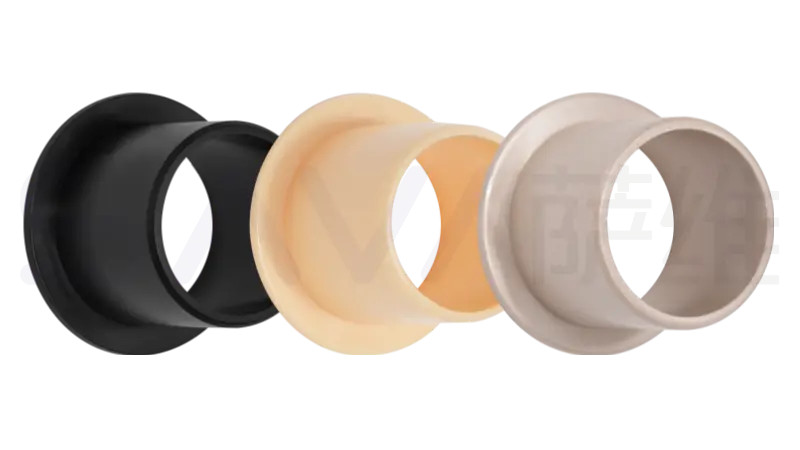
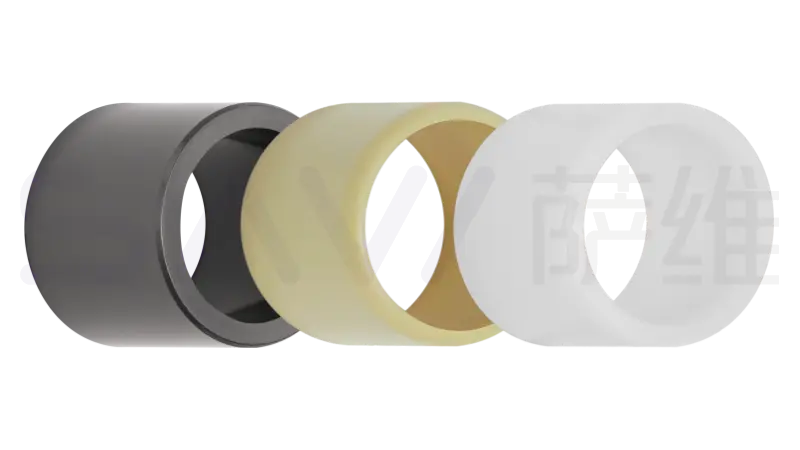
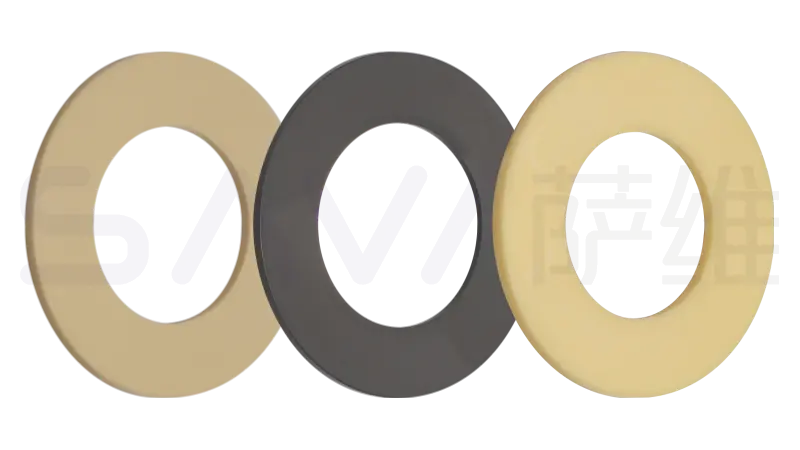
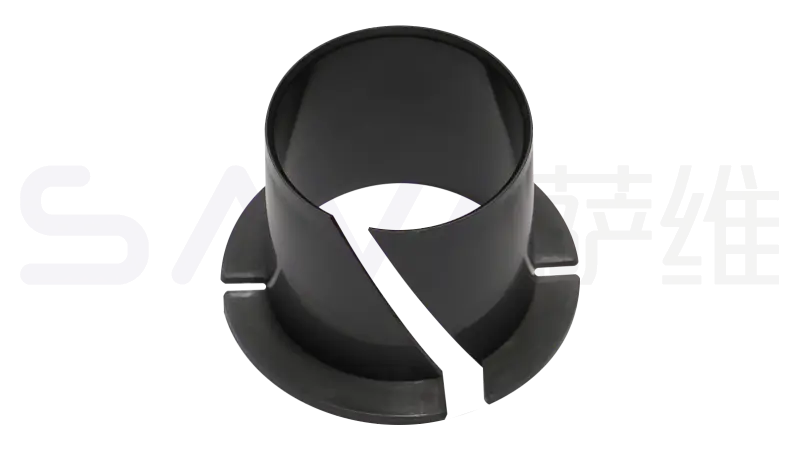
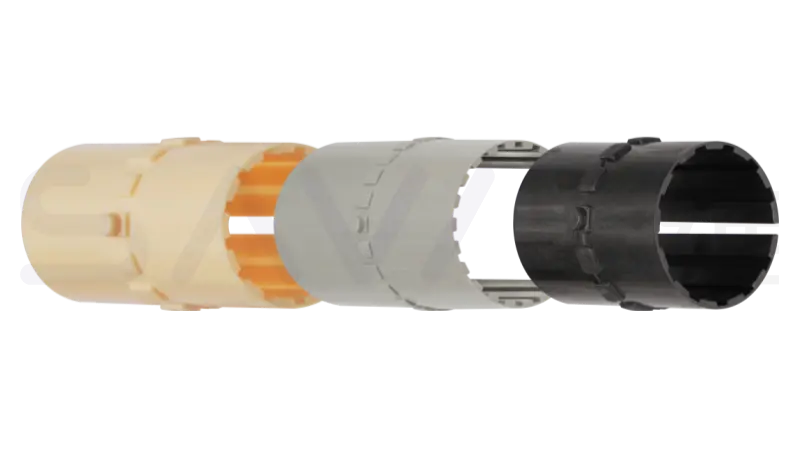
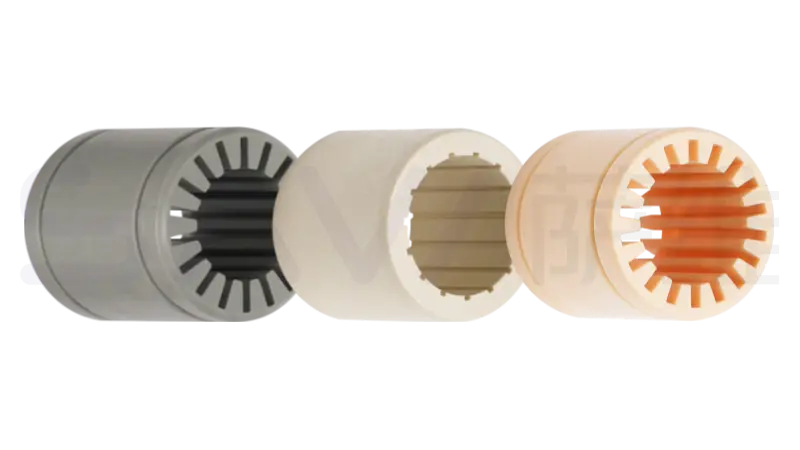
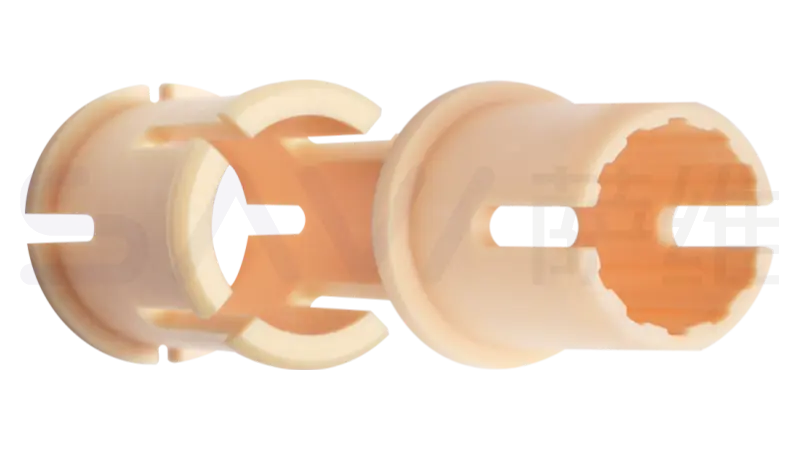
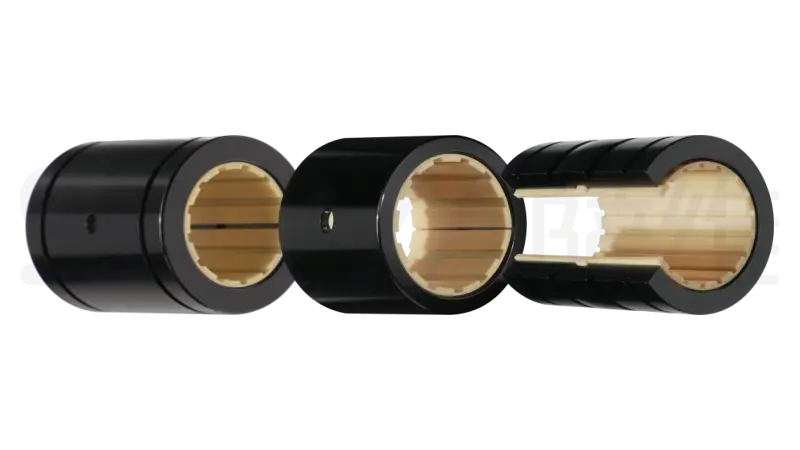
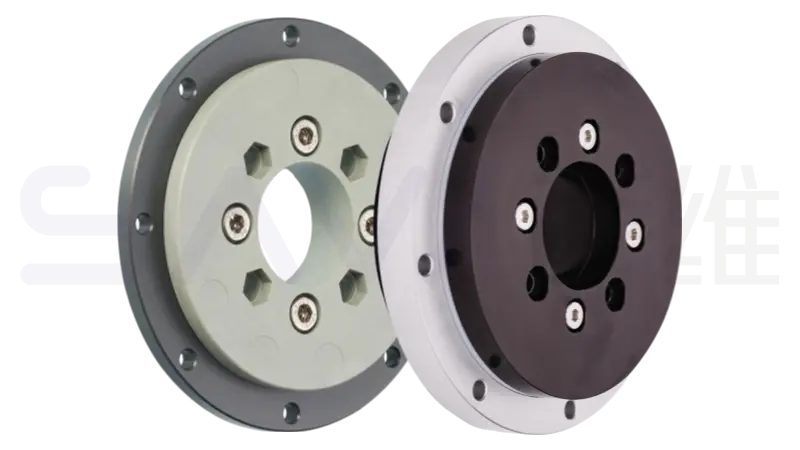
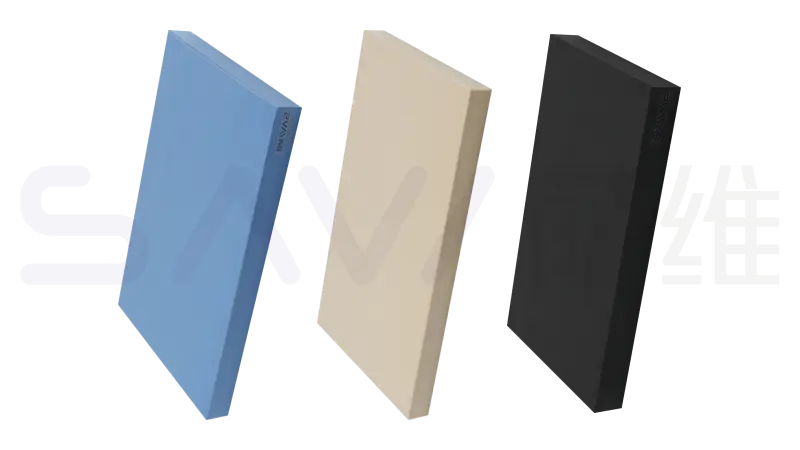
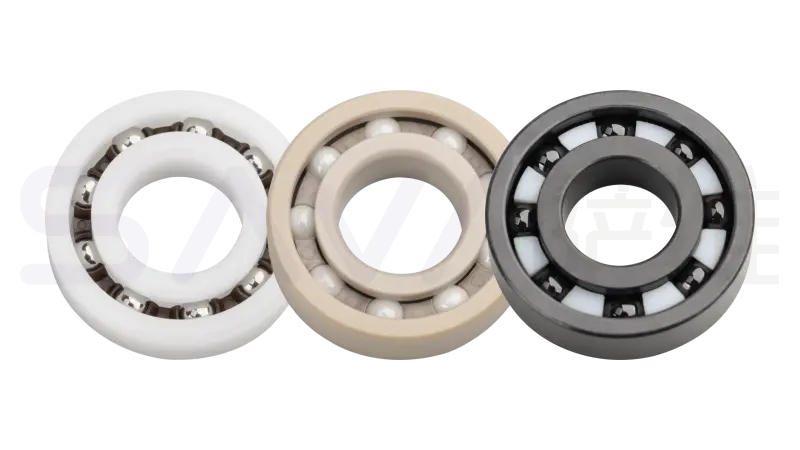
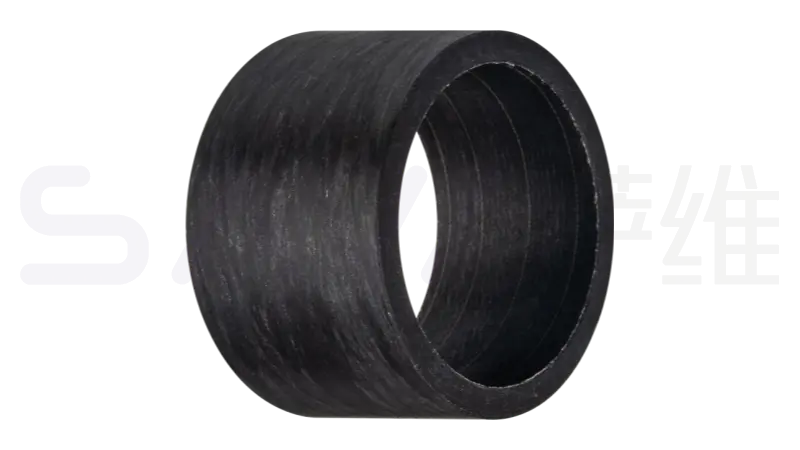
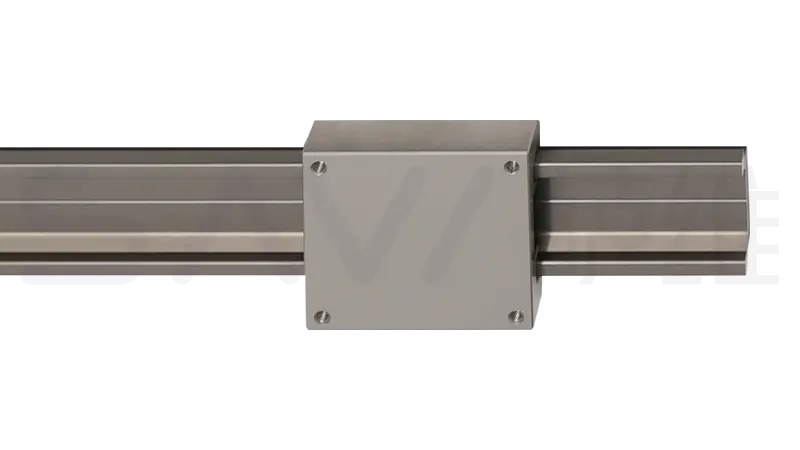
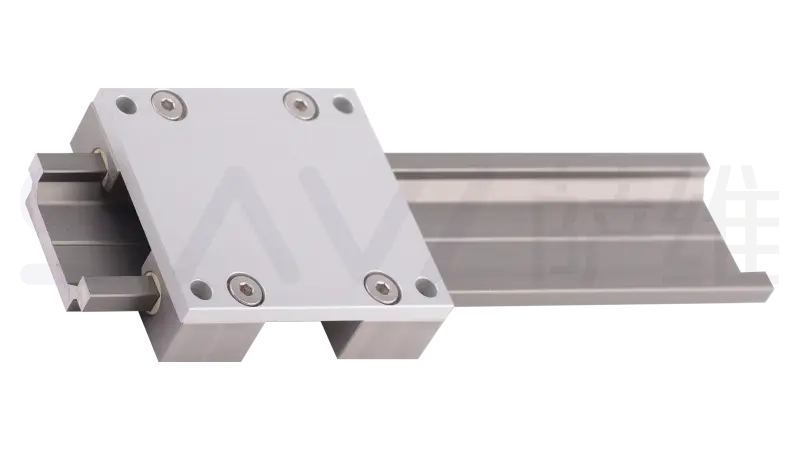
Products required: SAVI‑WSQ square dual‑rail linear drive system, SAVI‑EPG engineering‑plastic self‑lubricating bushings.
Motion modes: horizontal linear sliding, oscillating‑rotation, micro‑vibration.
Working‑condition features: offset‑load bearing, frequent start‑stop, outdoor environment, shock load, frequent reversing, maintenance‑free.
1. Pain Points & Challenges
Core issues of electric wheelchair seat adjustment mechanism
Stiction and jamming caused by offset moment: When the patient gets on and off the wheelchair, asymmetrical body weight is applied to one side of the seat. Conventional single‑rail guide structures have poor overturn‑resistance, which easily results in eccentric wear and jamming.
Corrosion under outdoor conditions: Wheelchairs operated outdoors are exposed to rain, high humidity and temperature fluctuation. Metal guide rails and balls are prone to corrosion, leading to higher frictional resistance and sluggish sliding performance.
Wear from frequent start‑stop cycles: The seat adjustment undergoes frequent start‑stop operations. Under boundary‑lubrication conditions, metal friction pairs suffer accelerated wear with shortened service life.
Drive force and energy consumption: Though metal ball guide rails feature low friction coefficient, they require sealed lubrication. Conventional sliding guides generate high friction, which demands higher driving force from the electric actuator and increases battery power consumption.
Difficulties in maintenance: Most wheelchair users are mobility‑impaired persons. Periodic lubrication maintenance cannot be readily performed, and bearing failure leads to high repair costs.
Core issues of caster wheel joints for electric wheelchairs
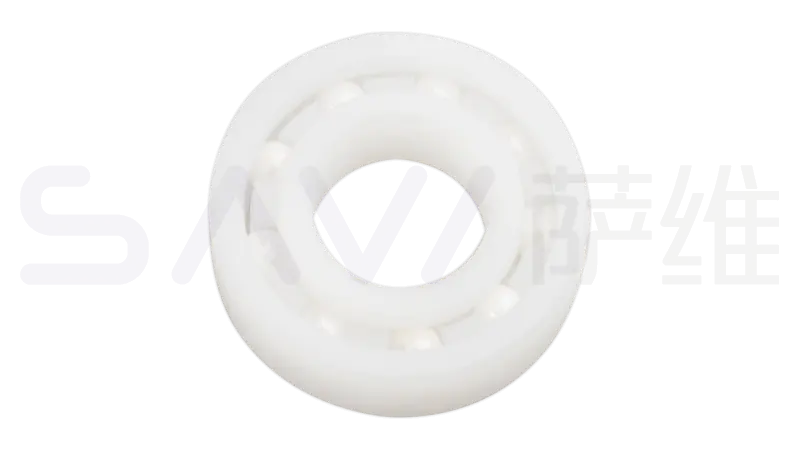
Failure induced by shock load: Shock loads generated by road bumps are far higher than static loads. Metal bearings tend to develop fatigue spalling and pitting, while ordinary plastic bearings are susceptible to deformation and cracking.
Wear due to frequent reversing: Continuous direction‑change of caster wheels subjects bearings to alternating stress. Wear is accelerated under boundary‑lubrication, resulting in noise and play as clearances grow larger.
Grease dust contamination: In outdoor service, lubricating grease attracts dust and grit, giving rise to abrasive wear. This accelerates bearing failure and defeats the original purpose of lubrication.
2. Application Description
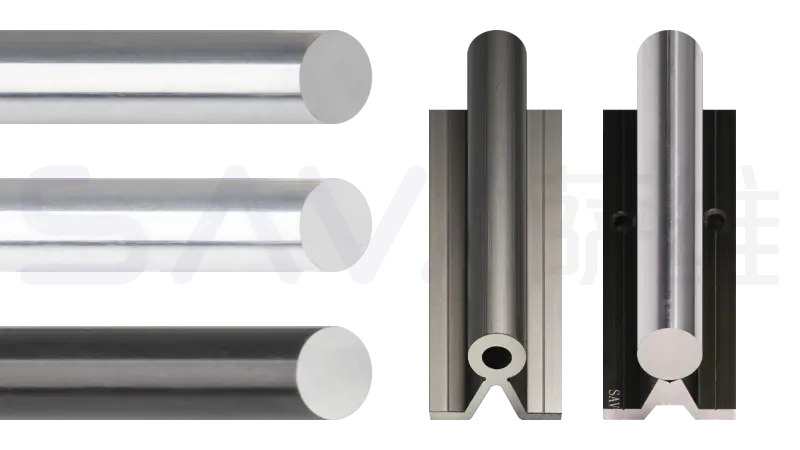
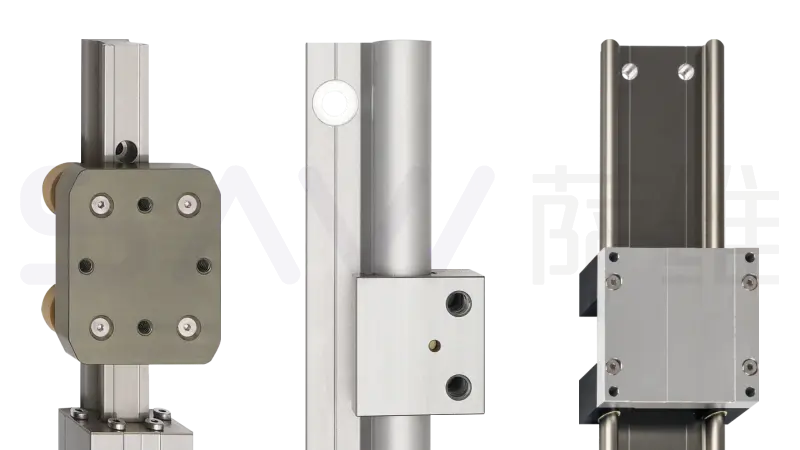
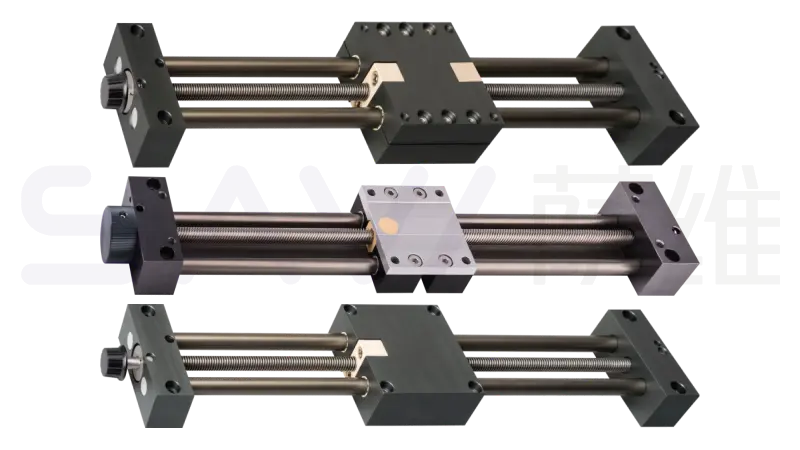
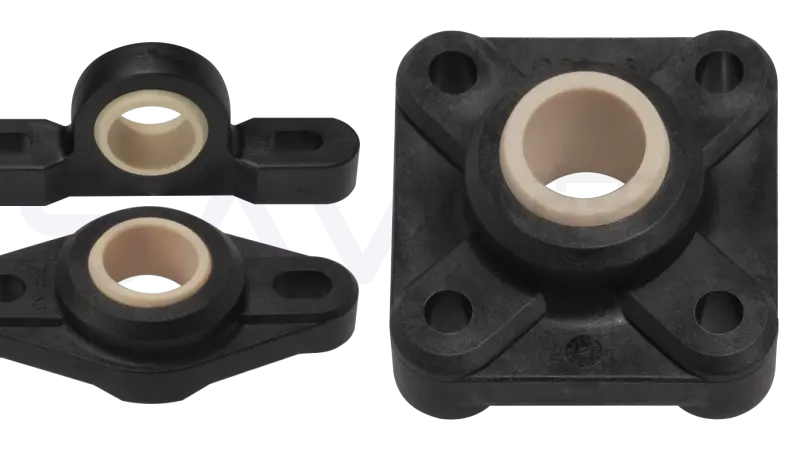
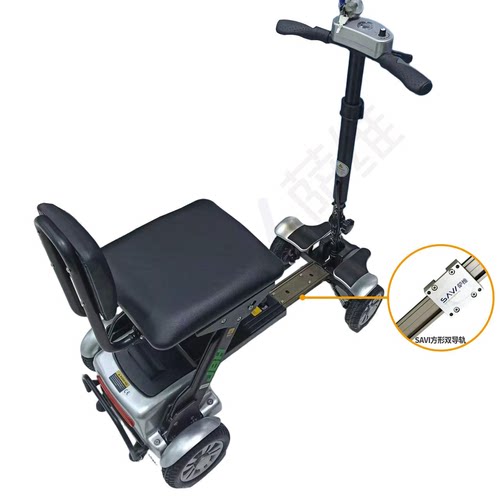
The SAVI‑WSQ square dual‑rail linear drive mechanism is mounted onto the slide‑rail system underneath the electric wheelchair seat to deliver electric fore‑aft adjustment of seat position. The parallel‑arranged dual guide rails effectively counteract asymmetric moments generated when patients get on and off the wheelchair, preventing seat tilting and jamming to ensure riding safety and smooth operation.
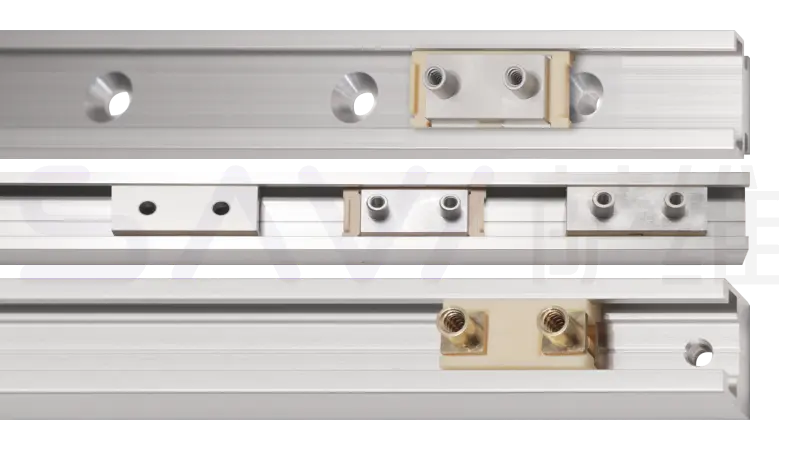
Square dual‑rail anti‑overturn structure: Breaking the limitation of conventional single‑rail circular guidance, the square‑section plus parallel dual‑rail layout resolves offset‑load‑induced jamming from structural perspective and improves overall safety performance.
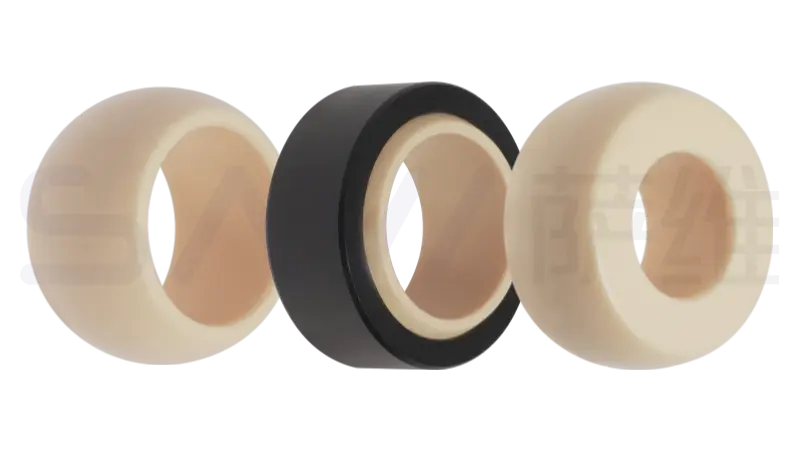
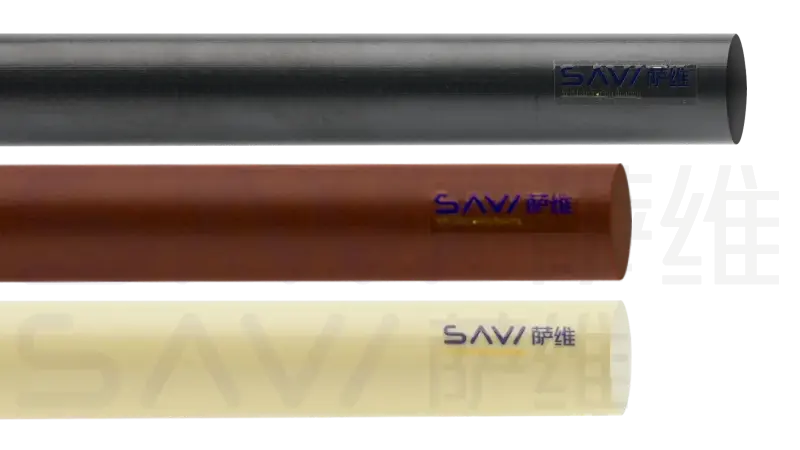
Modified‑polymer low‑friction material: The inner sliding liner of the sliding block adopts SAVI‑EPJ proprietary modified formulation material. Its friction coefficient reaches 0.05‑0.15, reduced by over 40% compared with conventional sliding guide rails, which directly cuts down battery energy consumption.
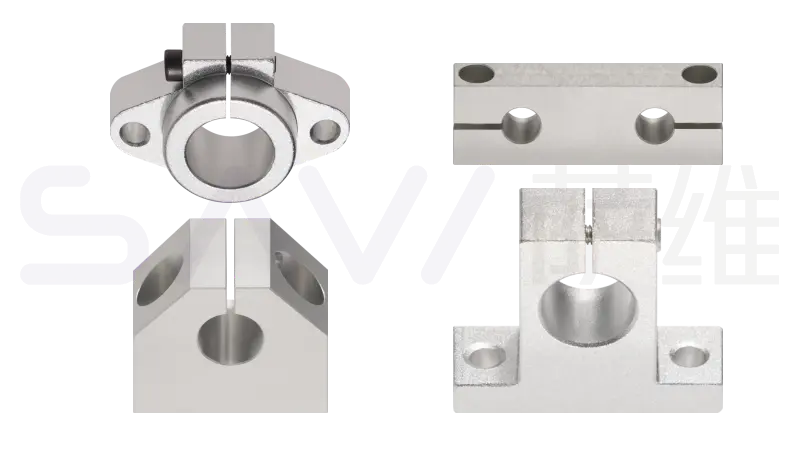
Modular standard mounting: Standardized design with four‑corner countersunk screw holes, compatible with mainstream wheelchair frame interfaces. OEM customers can complete integration without modifying frame structures.
Weather‑resistant system design: Material selection takes into account outdoor humidity, temperature variation as well as cleaning and disinfection scenarios, eliminating corrosion‑caused failure risks at source.
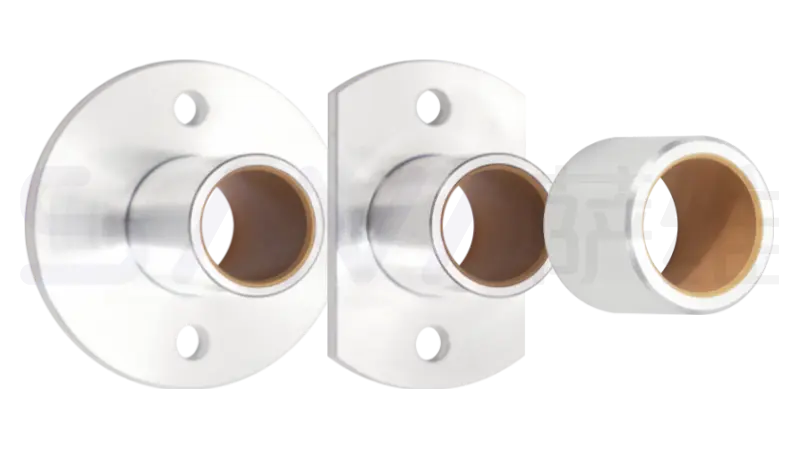
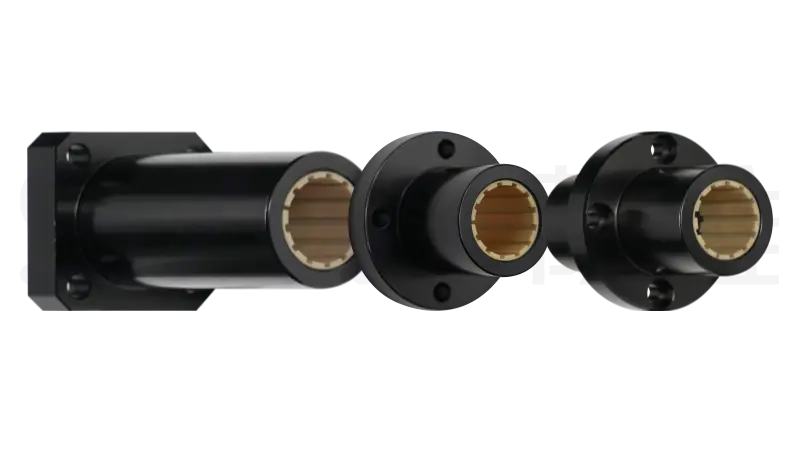
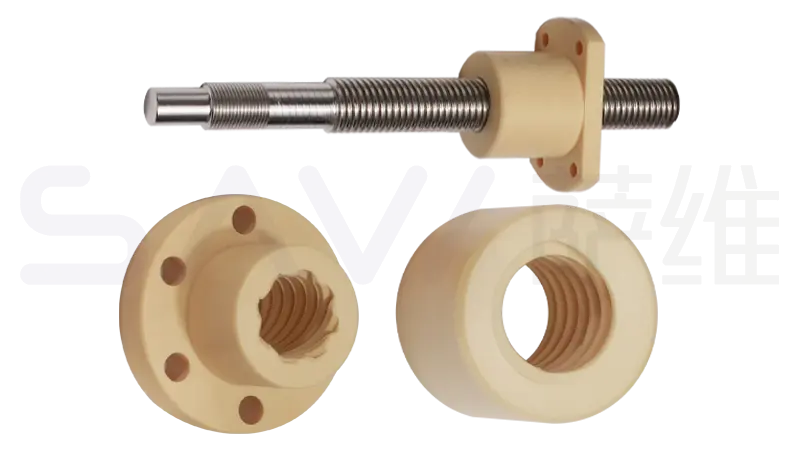
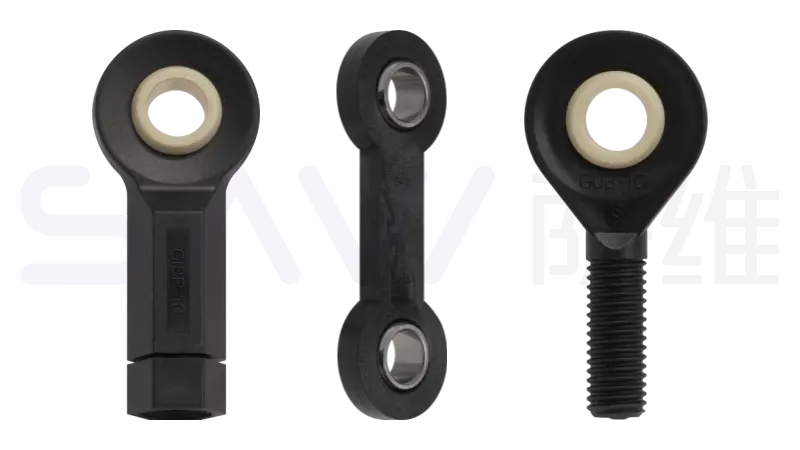
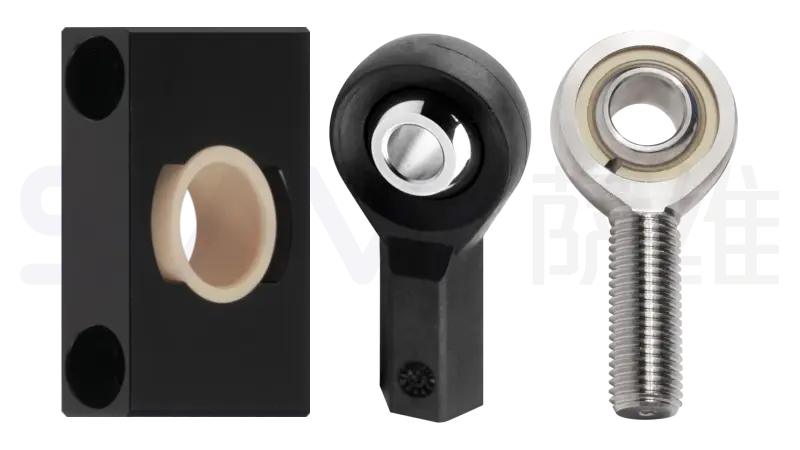
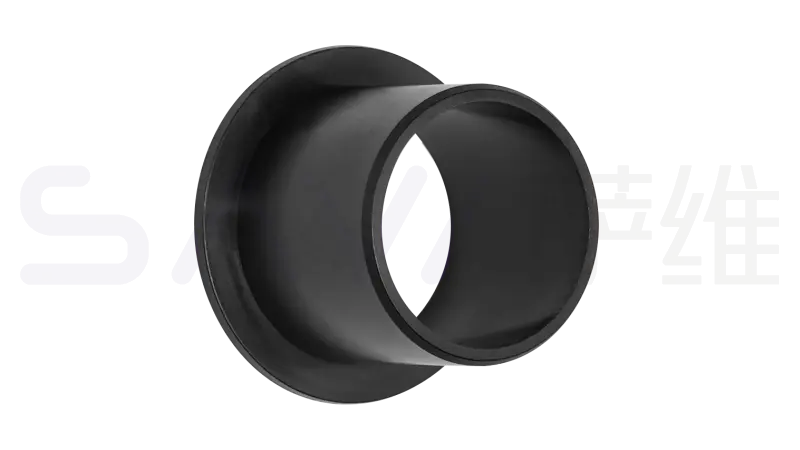
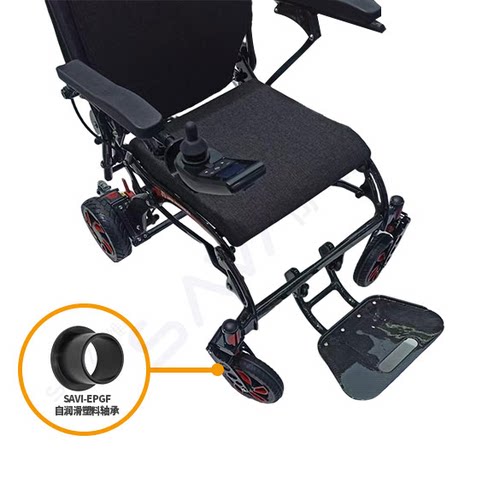
The SAVI‑EPG reinforced high‑load flange bushing is fitted at the pivot point of the front caster wheel of electric wheelchairs. It bears combined radial and axial loads transferred through front wheels from patient’s body weight. Subjected to frequent road‑bump shocks and alternating stress during direction change in operation, this location represents one of the key wear‑prone points of wheelchairs.
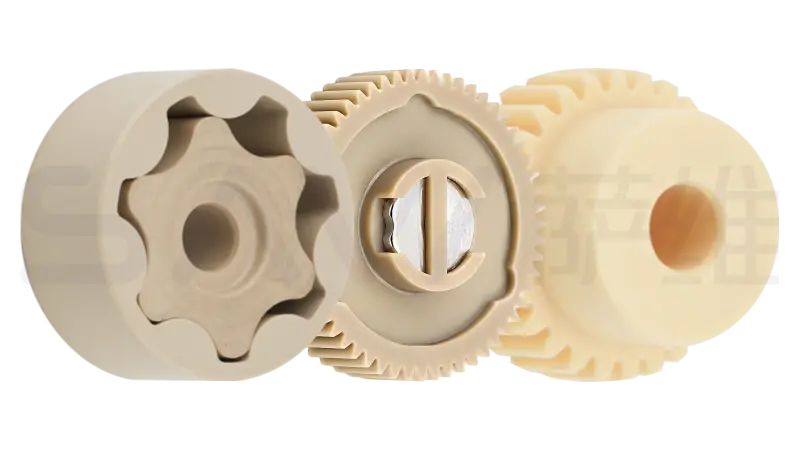
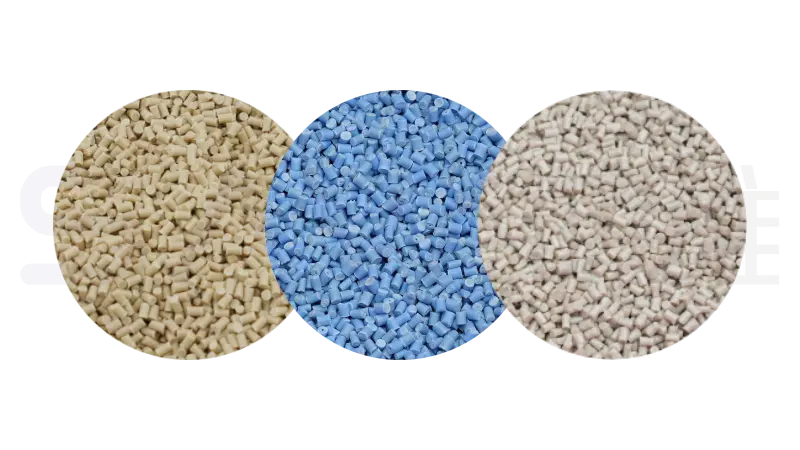
Modified‑polymer fibre‑reinforced composite system: Based on engineering‑plastic matrix blended with fibre‑reinforcing phase and solid lubricant, it achieves high‑load capacity on top of self‑lubricating property, overcoming the stereotype that plastic bearings cannot sustain heavy loads.
Integrated flange positioning design: Flange and bushing are monolithically formed. No additional circlips or retaining rings are required during assembly to suppress axial play, simplifying assembly process and enhancing mounting reliability.
Multi‑size systematic solution: A wide range of specifications covers three critical nodes: caster main shaft, fork load‑bearing and connecting‑rod hinge joint, delivering systematic supporting solution rather than simple individual‑part replacement.
Shock‑and‑fatigue‑resistant design: Taking advantage of polymer’s lower elastic modulus versus metal, road impact energy is absorbed via micro‑elastic deformation, avoiding fatigue spalling failure mode typical for metal bearings.
 3. Customer Benefits
Square dual‑rail layout with excellent offset‑load resistance and anti‑overturn performance.
Load‑bearing capacity increased by approximately 40% versus circular guide rails.
Self‑lubricating and maintenance‑free, suitable for mobility‑impaired end‑users.
Low friction coefficient reduces driving force requirement for electric actuators and battery power consumption.
Standardized mounting interfaces for easy OEM integration.
Fibre‑reinforced construction delivers more than 50% improvement of high‑load capacity.
Polymer elastic cushioning provides shock resistance and fatigue endurance.
Non‑dust‑adsorbing property eliminates root cause of abrasive wear.
Integrated‑flange positioning simplifies assembly and prevents axial play.
Serialized product lineup covering multiple hinge joints.
Weather‑resistant anti‑corrosive polymer base material suitable for humid outdoor conditions.