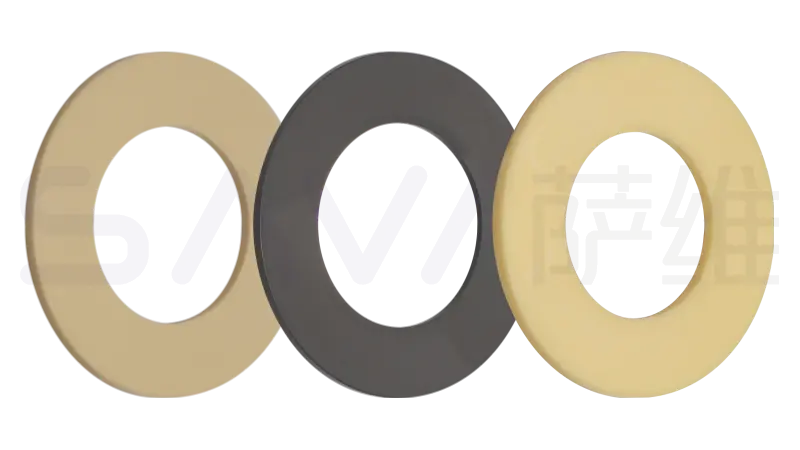
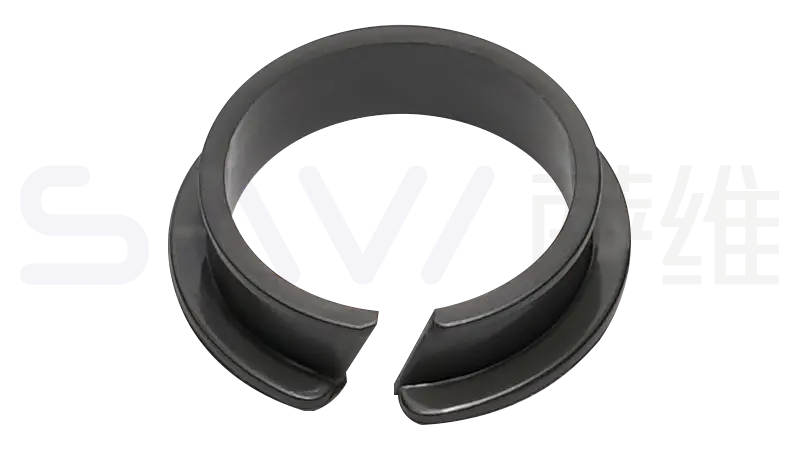
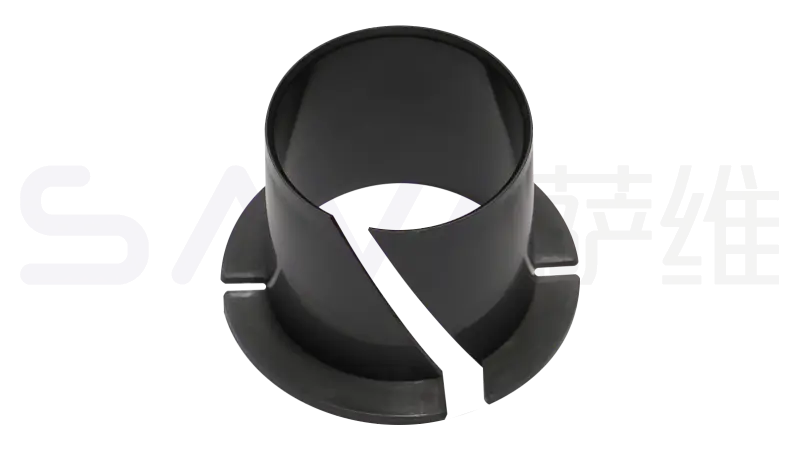
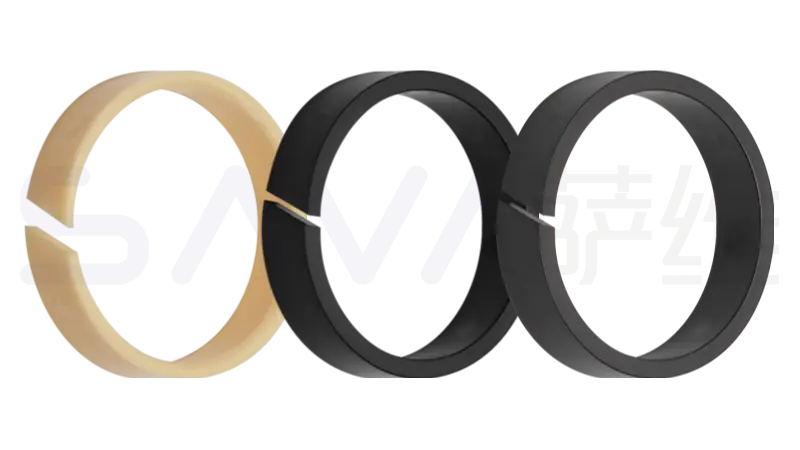
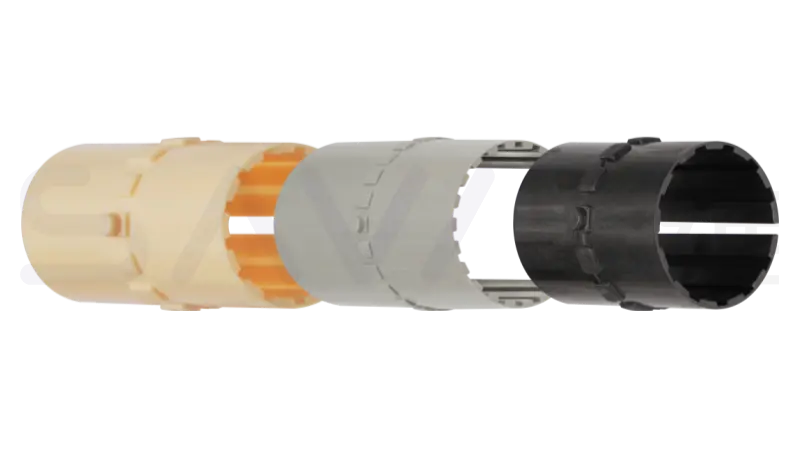
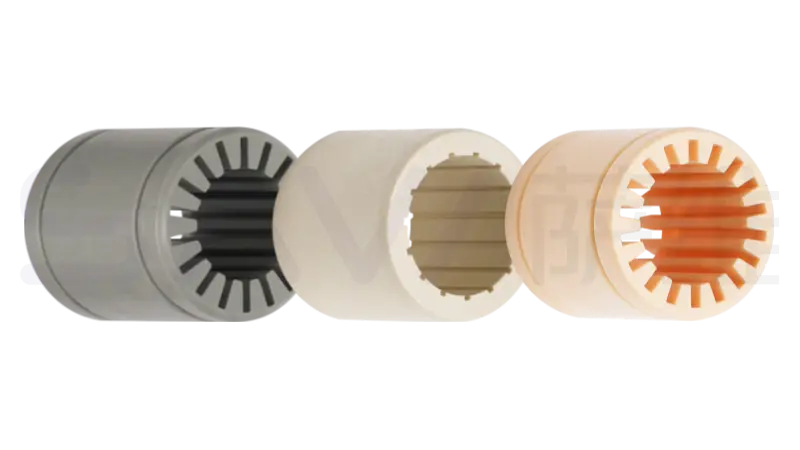
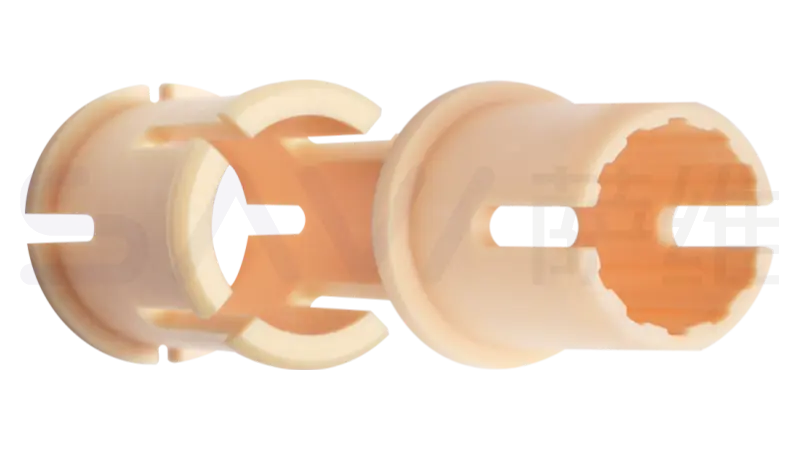
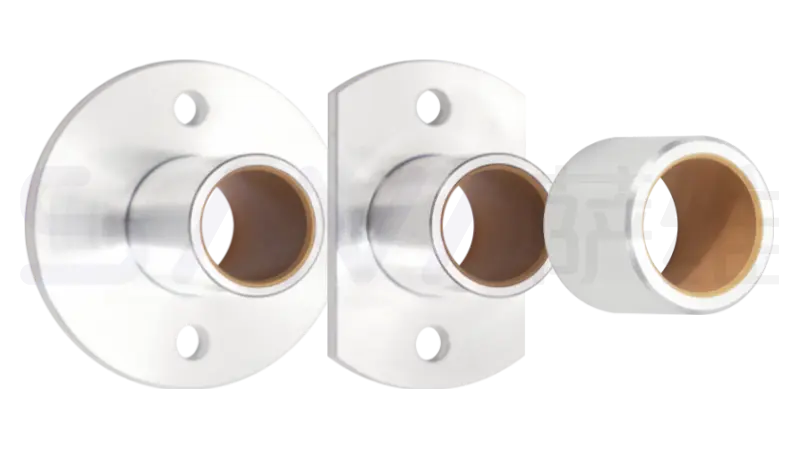
By replacing traditional metal bushings with engineering plastic self-lubricating bearings, this solution resolves the corrosion, noise and wear problems of brake levers under humid outdoor conditions, sand and mud exposure, and high-frequency oscillation, delivering a maintenance-free, lightweight, long-life transmission solution for two-wheeler braking systems.
Application Scenario: Pivot Bearing of the Bicycle Brake Lever
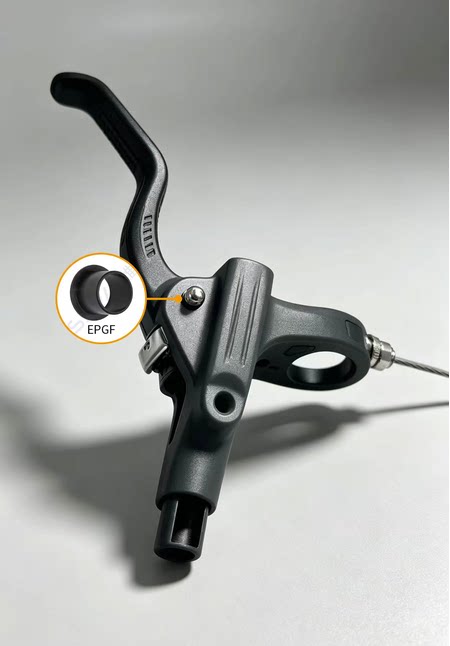
The brake lever is the most direct interface between the rider and the braking system. The bearing at its pivot directly determines the smoothness of the lever feel, the consistency of the return action, and long-term reliability.
The bicycle brake lever is pulled by the rider's fingers to rotate the lever around the pivot, which pulls the brake cable or pushes the hydraulic piston to apply braking. The pivot is subjected to high-frequency, small-angle oscillating loads while being exposed long-term to harsh outdoor conditions including rain, mud, sweat, cleaning agents and ultraviolet light. These conditions impose stringent requirements on the pivot bearing for corrosion resistance, wear resistance and maintenance-free operation.
Positioning of the Core Friction Pair
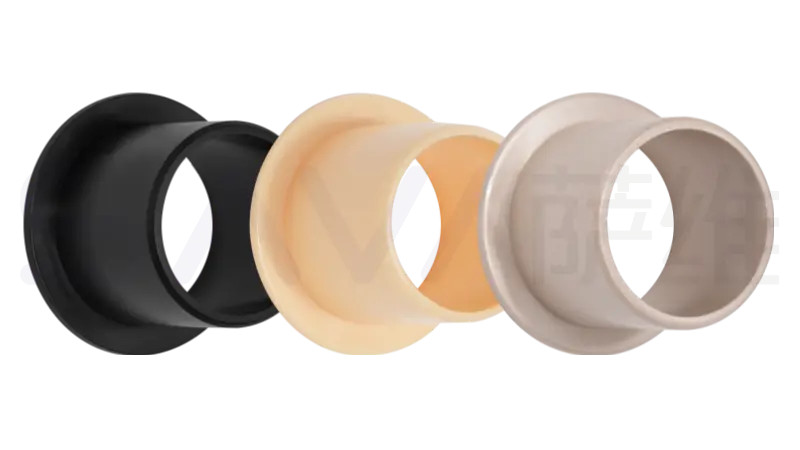
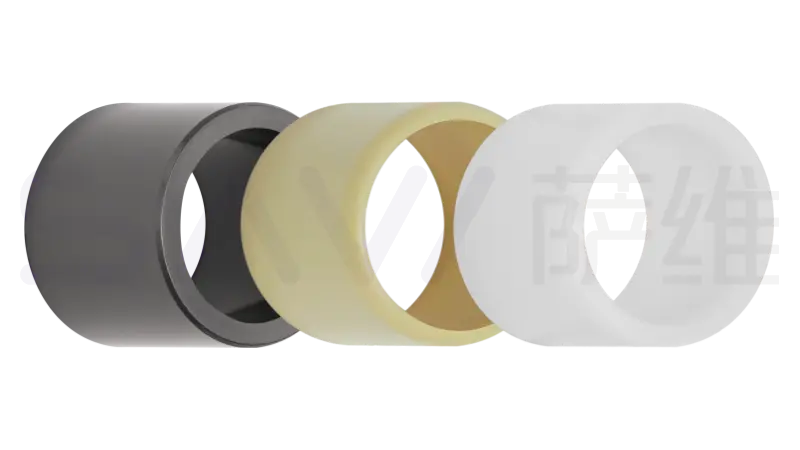
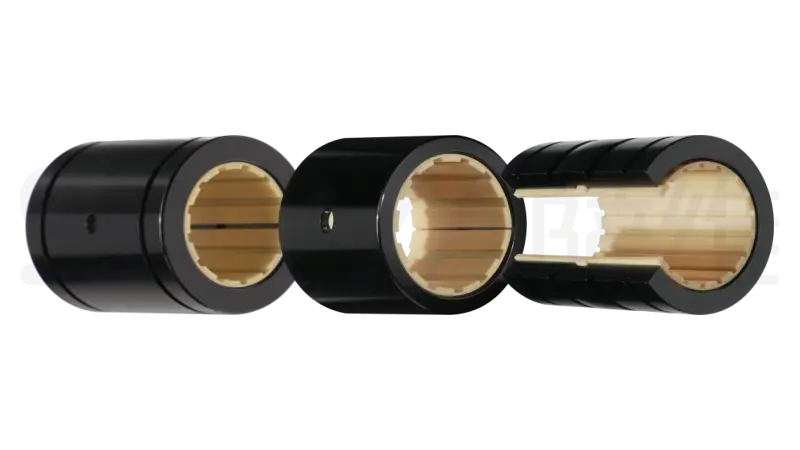
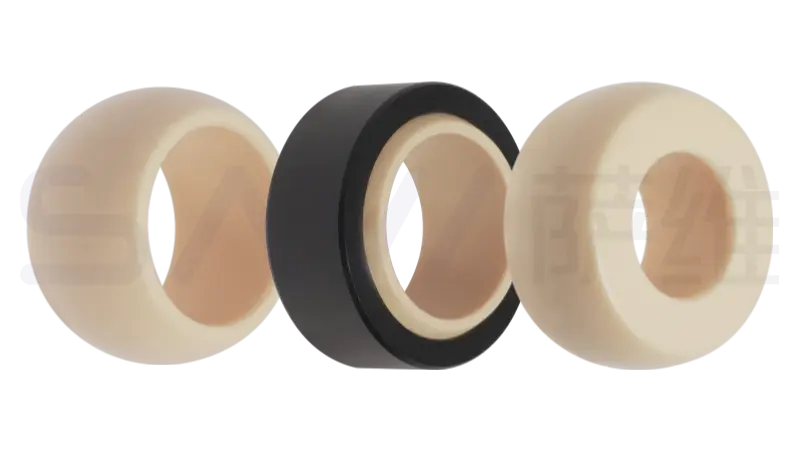
The bushing, installed between the lever and the mounting bracket, is the only movable hinge point of the brake lever. The choice of material at this position directly determines the smoothness of the lever feel, noise control and the maintenance-free service interval of the entire brake lever. It is precisely for this critical friction pair that SAVI offers the EP Series engineering plastic self-lubricating bearing as a replacement solution.
Industry Pain Points: Six Challenges of Traditional Metal Bearings
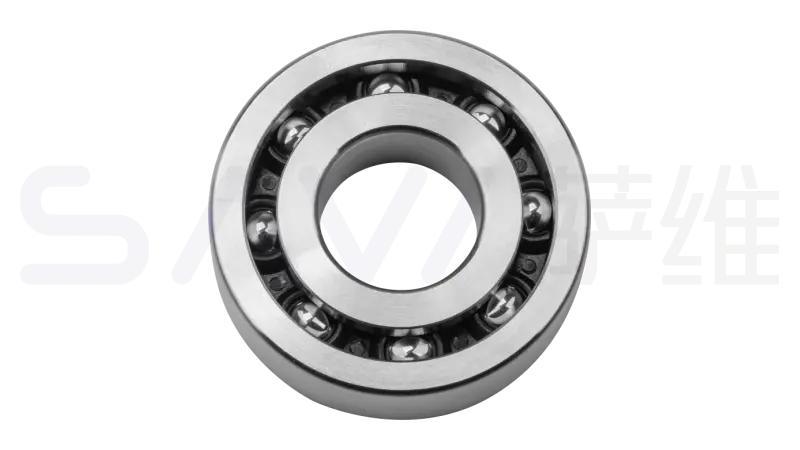
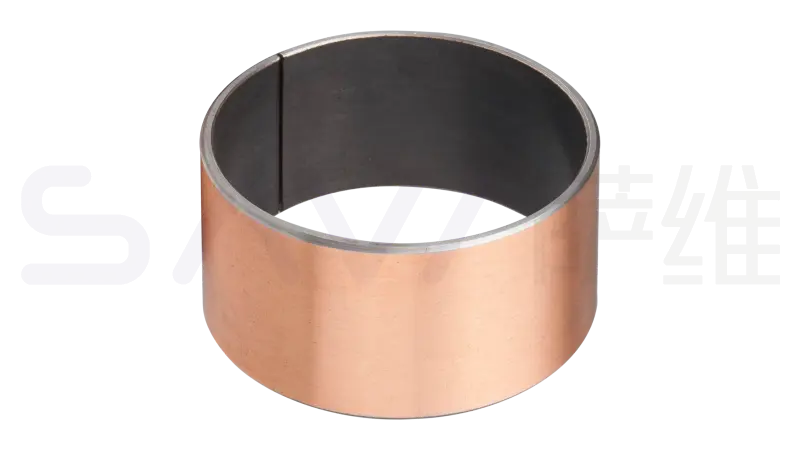
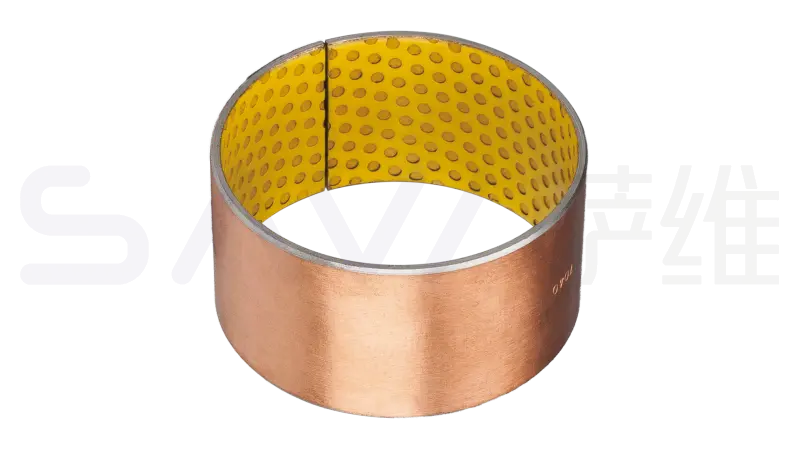
In the two-wheeler braking systems surveyed in depth by SAVI, the brake lever pivot commonly uses oil-impregnated sintered bronze bushings or metal rolling bearings. These traditional solutions expose systemic problems in outdoor riding scenarios. Metal bearings in brake levers tend to produce annoying squeaks and creaks, especially under humid conditions; dirt and moisture adversely affect metal bearing performance, and once dirt penetrates the bearing working surface, the PTFE coating can be quickly damaged. This is highly consistent with the feedback SAVI has collected at customer sites.
Rainwater Corrosion and Rusting
During riding, moisture and salts from rainwater, mud and sweat continuously invade the bearing working surface, accelerating oxidation and rusting of the metal bushing and steel shaft, leading to pivot seizure and increased lever resistance.
Grease Depletion and Lubrication Failure
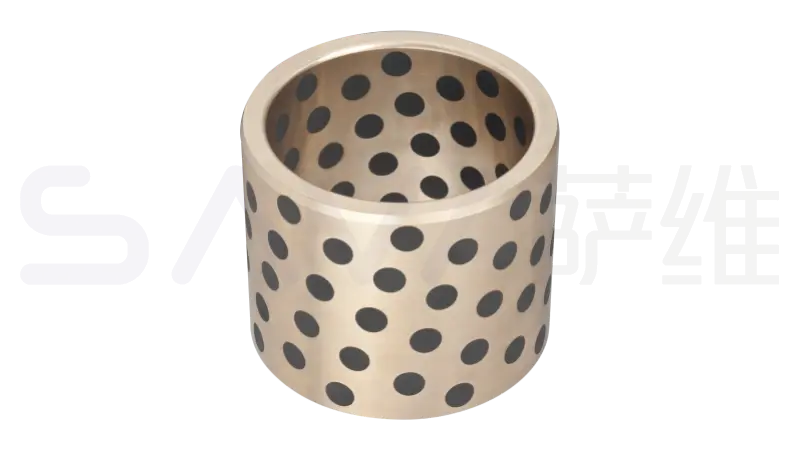
Oil-impregnated sintered bearings rely on the lubricating oil in their micro-pores to maintain lubrication; high-pressure washing or prolonged rain immersion washes away the grease. Once the oil film is exhausted, dry friction between metal surfaces intensifies and wear surges.
Noise and Squeaking
Under humid or contaminated conditions, metal-on-metal friction produces harsh squeaks and creaks. Users commonly report that "the brake lever wobbles and creaks," severely affecting the riding experience.
Wear Leading to Clearance Looseness
Long-term pivot oscillation accelerates wear of the bushing and journal, gradually increasing the fit clearance. This manifests as lever wobble, vague feedback, longer brake travel, and reduced braking safety.
Excessive Weight
Metal bushings (bronze and steel-based) have high density and have become a weight-reduction bottleneck amid the lightweighting trend. By 2025, the average complete-bike weight of carbon fiber sport bicycles has dropped to 7.42 kg, making the weight of every single component significant.
High Maintenance Costs
Traditional bearings require periodic disassembly, cleaning and re-greasing — cumbersome operations that can easily introduce contamination. With low user willingness to maintain, bearings often remain "in service while defective," allowing safety hazards to accumulate.
Root Cause of the Problem: The six pain points above all stem from the dependence of metal friction pairs on lubrication and corrosion protection. As long as the bearing material itself lacks self-lubricating and corrosion-resistant capability, all remedial measures — greasing, sealing, periodic replacement — only delay failure rather than fundamentally solve the problem.
SAVI Solution: EP Series Engineering Plastic Self-Lubricating Bearings
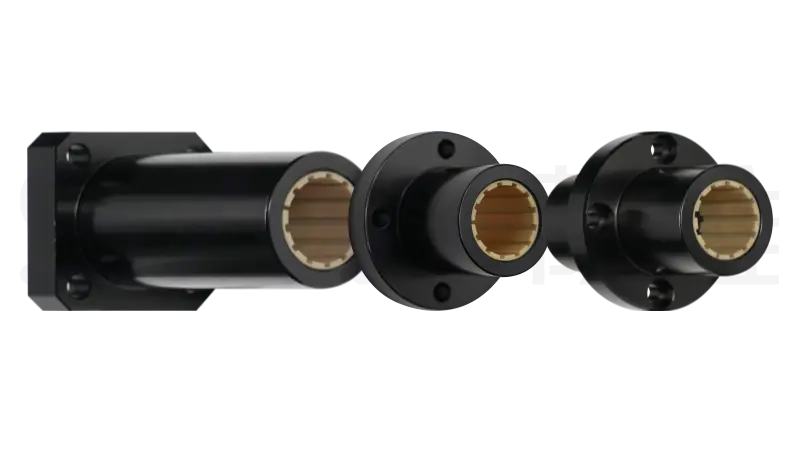
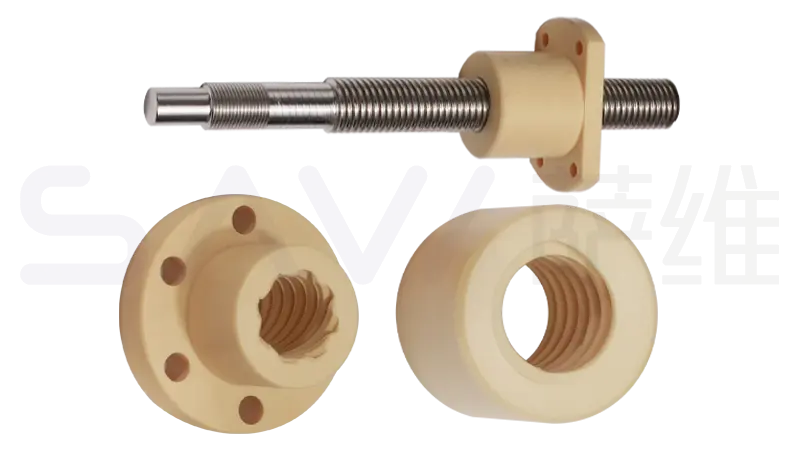
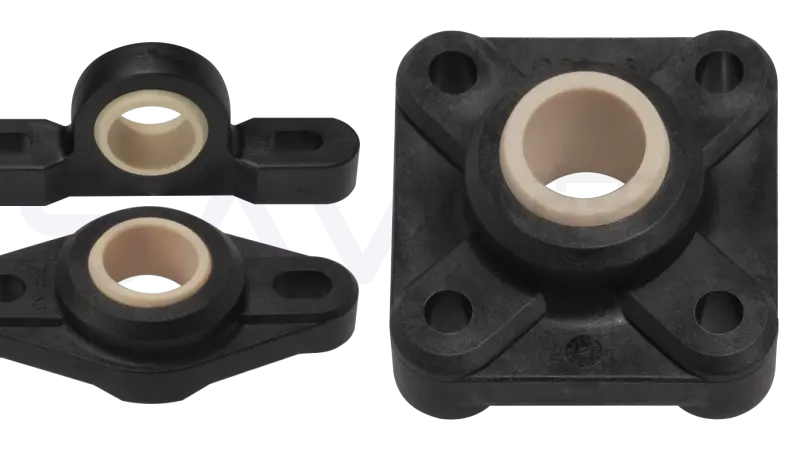
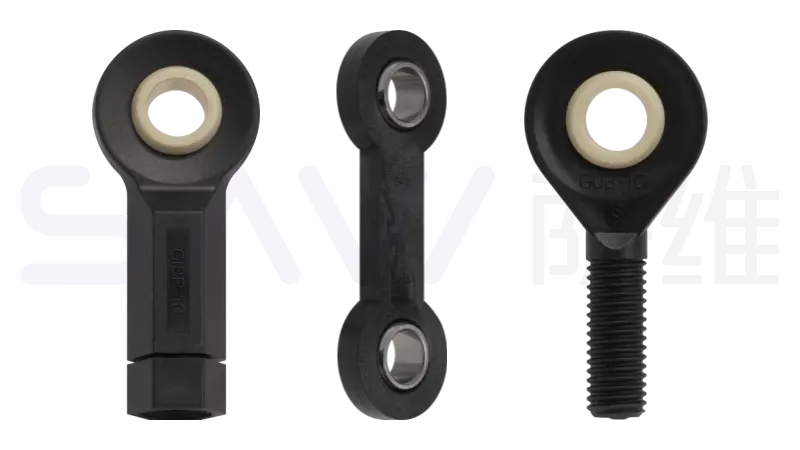
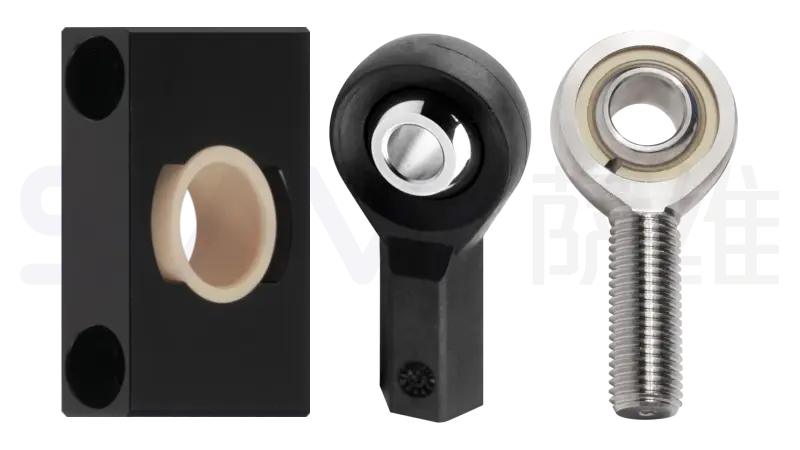
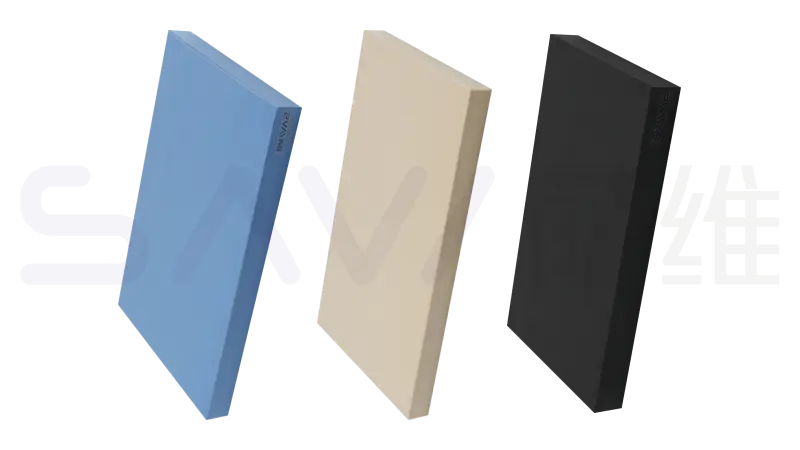
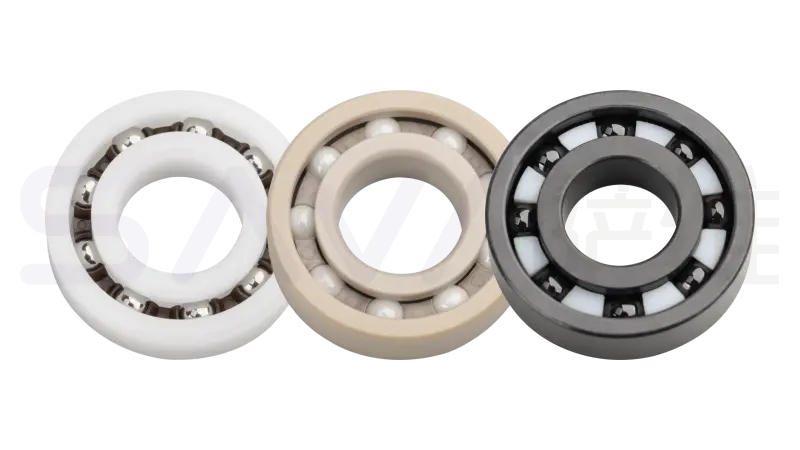
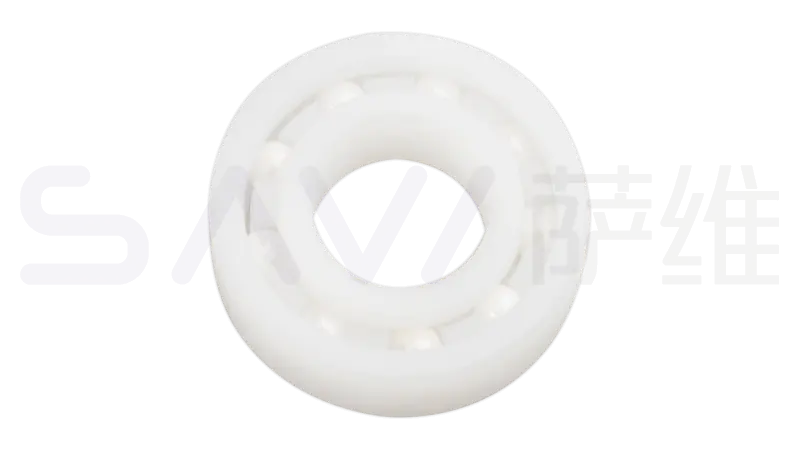
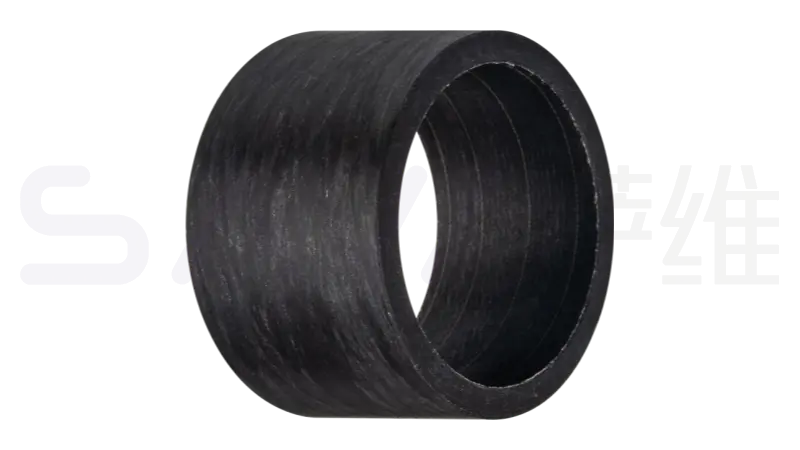
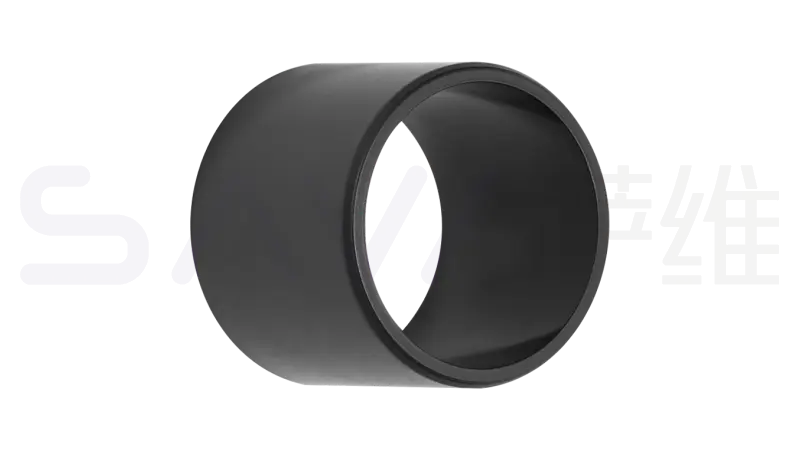
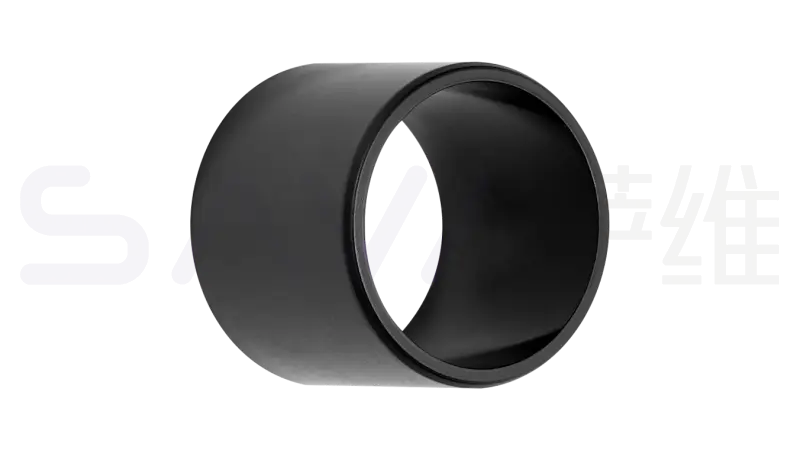
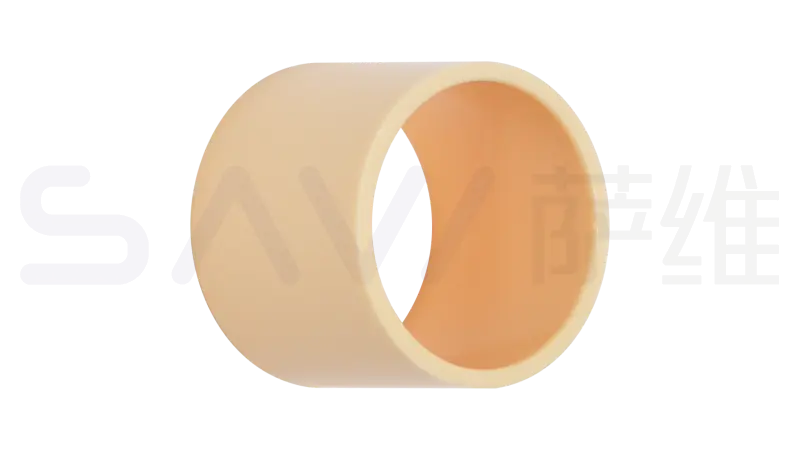
SAVI replaces traditional metal bushings with the EP Series engineering plastic self-lubricating bearings, eliminating lubrication dependence and corrosion risk at the material level and achieving "maintenance-free from the moment of installation."
SAVI's EP Series engineering plastic self-lubricating bearings use high-performance engineering plastic as the base material. Through polymer material modification technology, a high-strength fiber network structure and specialty solid lubricant are embedded inside the material. The fiber network enhances the mechanical strength of the material, while the solid lubricant continuously migrates from the material interior to the friction surface during friction, forming a self-lubricating film.
Material-embedded lubrication: The solid lubricant is uniformly distributed throughout the material and continuously exudes to form a lubricating film during friction, requiring no external re-lubrication — fundamentally solving the grease depletion problem.
Fully plastic corrosion resistance: The engineering plastic matrix contains no metal components, providing natural corrosion resistance to rain, sweat and cleaning agents, and never rusting — fundamentally solving the corrosion problem.
Fiber-reinforced wear resistance: The high-strength fiber network enhances compressive and wear resistance, maintaining stable fit clearance under small-angle, high-frequency oscillation and delaying clearance growth.
Lightweight design: The density of engineering plastics is far lower than bronze and steel; the bearing weighs about one-fifth of a metal solution, contributing to overall vehicle lightweighting with a more compact mounting envelope.
Elastic damping and noise reduction: The elastic modulus characteristics of polymers absorb vibration and suppress the stick-slip effect, effectively eliminating the squeaking noise of metal bearings under humid conditions.
Dirt and weather resistance: Insensitive to sand and dust — dirt ingress has little effect on motion; excellent UV resistance — no aging or embrittlement after long-term outdoor exposure.
The Essential Difference Between SAVI EP and Traditional Oil-Impregnated Bearings
 Traditional powder metallurgy oil-impregnated bearings rely on the lubricating oil in their micro-pores; once the oil is exhausted or evaporates, wear accelerates and service life shortens. In SAVI EP bearings, the lubricant is contained throughout the bulk material — even if the surface wears, new lubricating material from the interior continues to be exposed and forms a lubricating film. The deeper the wear, the more adequate the lubrication — a self-healing mechanism that oil-impregnated bearings cannot achieve.
Advantages of the SAVI EP Solution
Truly maintenance-free: Solid lubricant embedded in the material means no external re-lubrication for the entire service life, eliminating the need for user disassembly and servicing.
Fundamental corrosion resistance: The all-plastic matrix contains no metal — zero rusting in rain, sweat and cleaning agent environments.
Significant lightweighting: Density is only one-sixth that of bronze; a single pivot bearing can achieve more than 80% weight reduction.
Silent operation: The polymer's elastic modulus suppresses stick-slip, enabling noise-free operation under humid conditions.
Wear self-compensation: After surface wear, internal lubricating material continues to be exposed, and the friction coefficient does not degrade with wear.
Domestic cost-effectiveness: Compared with imported brands, lower cost and faster delivery at the same performance level.
Flexible customization: Formulation and structure can be rapidly adjusted according to brake lever dimensions, load and temperature requirements.
SAVI's Innovation Value: From "Import Substitution" to "Scenario-Defined Materials"
SAVI does not merely "plug" engineering plastic bearings into brake levers. Instead, it takes the three operating characteristics of two-wheeler brake handles — small-angle oscillation, outdoor exposure and maintenance-free demands — as inputs to inversely define the material formulation. By adjusting fiber content and the type of solid lubricant, EP bearings achieve longer life under oscillating wear modes than generic products. Meanwhile, backed by the IATF 16949 system and a localized production base in Jiashan, SAVI can provide OEMs with one-stop, rapid-response support from selection and tolerance design to volume supply — a delivery capability that imported brands find hard to match.
Application Outlook and Summary
As the two-wheeler industry moves toward lightweighting, maintenance-free design and premiumization, engineering plastic self-lubricating bearings hold broad application prospects in brake levers and more pivot positions.
Market trends show that by 2025, the average complete-bike weight of carbon fiber sport bicycles has dropped to 7.42 kg, and the penetration rate of carbon fiber materials has risen to 71.5%; high-end pedals with sealed bearing structures have achieved a maintenance-free interval of 20,000–30,000 km. Lightweighting and maintenance-free operation have become core competitive dimensions for two-wheeler components.
SAVI is committed to applying its years of experience in engineering plastic friction and wear optimization to every pivot point of two-wheeler braking systems. With the EP Series engineering plastic self-lubricating bearing at its core, SAVI can provide complete solutions for bicycle, e-bike and motorcycle brake levers — from material selection and structural design to volume delivery — making every squeeze smooth, quiet and reliable.
SAVI believes that the application of engineering plastic self-lubricating bearings in the two-wheeler field goes far beyond brake levers — derailleur pivots, pedal bearings, suspension linkages and folding hinges all present replacement opportunities for metal bearings. SAVI is ready to work hand in hand with OEMs and component suppliers to drive two-wheeler transmission systems toward a lighter, quieter and more carefree future.