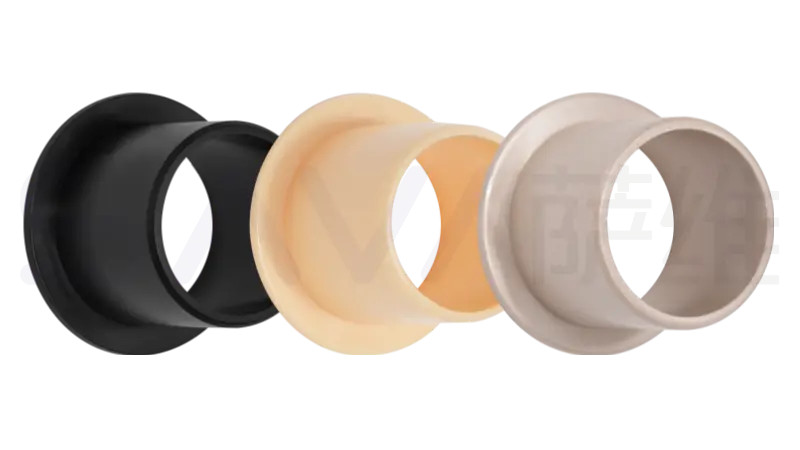
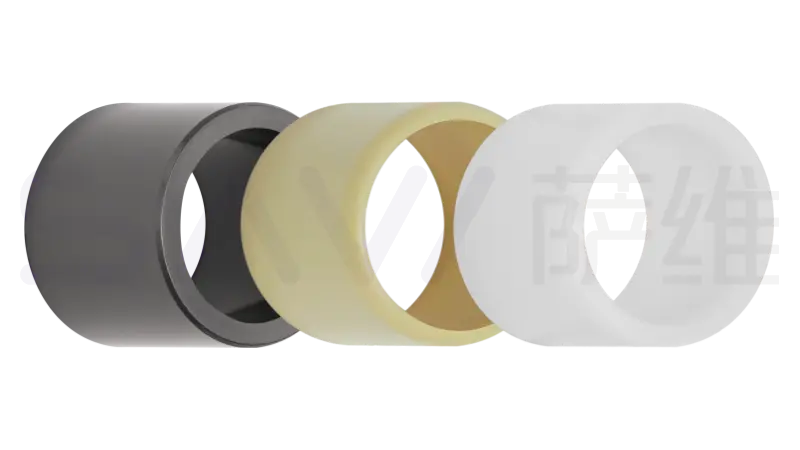
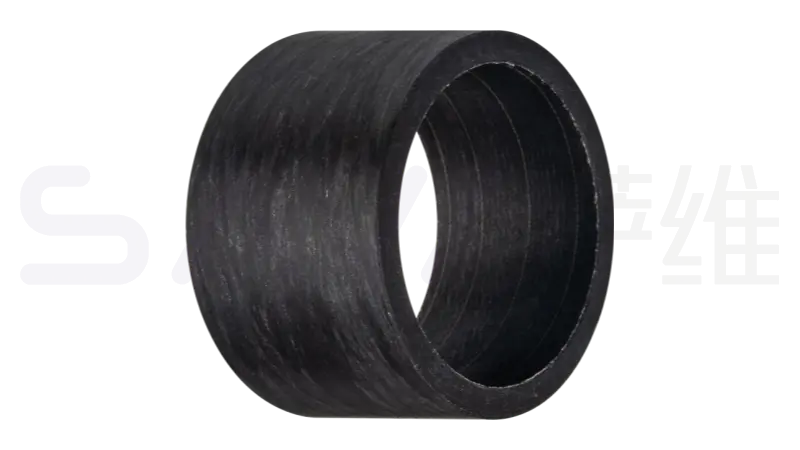
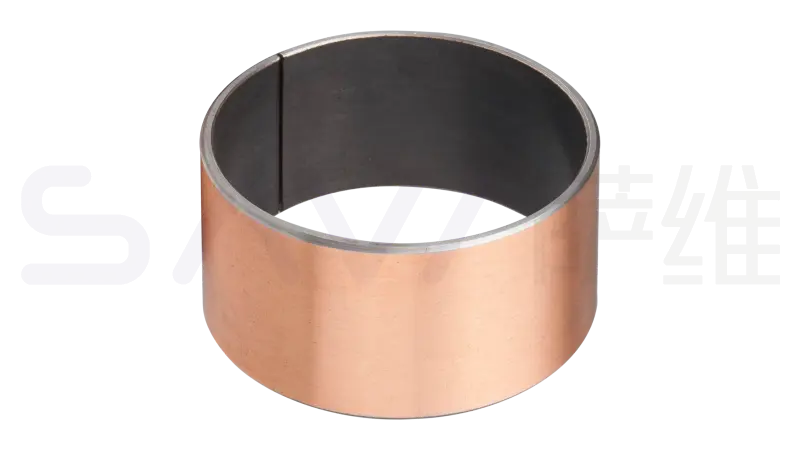
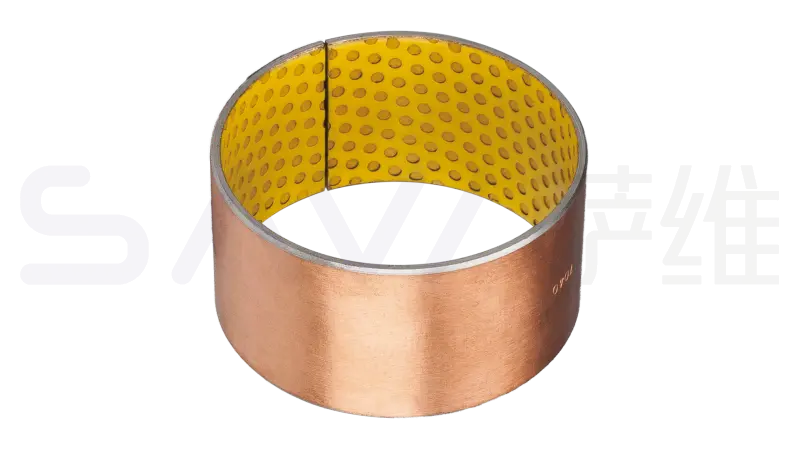
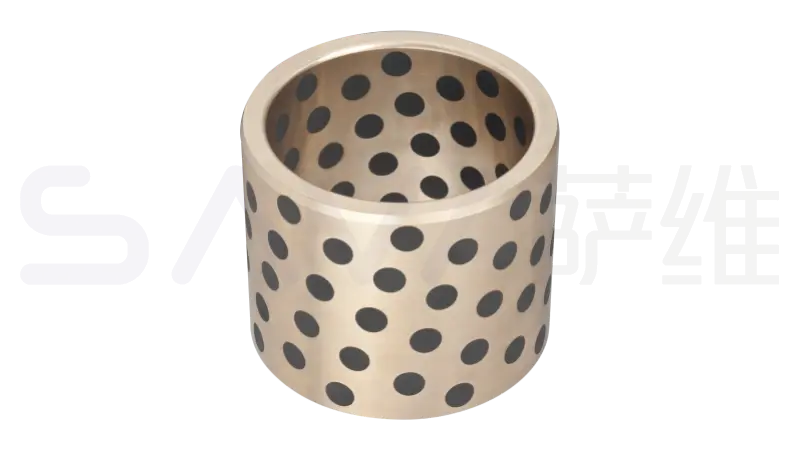
| Material Grade | 650 | 650S1 | 650S2 | 650S3 | 650S5 | 650HP |
|---|---|---|---|---|---|---|
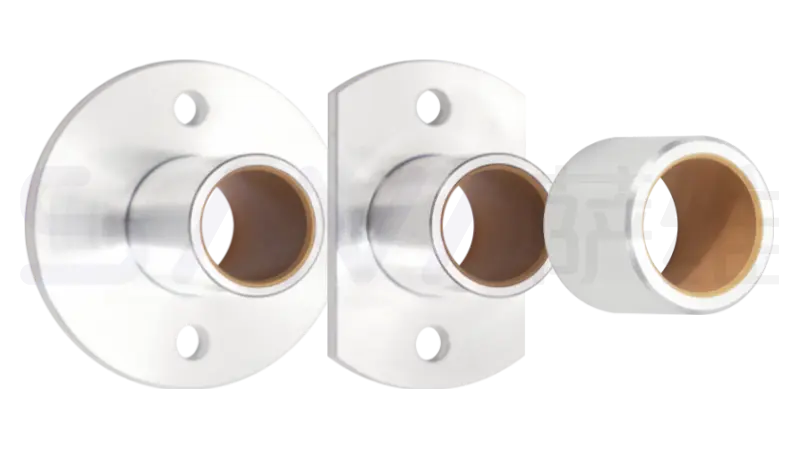
| Component Comp. | CuZn25Al5Mn4Fe3 | CuSn5Pb5Zn5 | CuAl10Ni5Fe5 | CuSn12 | CuZn25Al5Mn4Fe3 | CuZn32Al5Ni3 |
| Density | 8 | 8.9 | 7.8 | 8.9 | 8 | 8 |
| Hardness Scale HB | >210 | >70 | >150 | >95 | >250 | >280 |
| Tensile Str. N/mm² | >750 | >200 | >600 | >260 | >800 | >540 |
| Yield Str. N/mm² | >450 | >90 | >260 | >150 | >450 | >450 |
| Elong. % | >12 | >15 | >10 | >8 | >8 | >0.3 |
| Linear Expansion Coeff. | 1.9×10⁻⁵/°C | 1.8×10⁻⁵/°C | 1.6×10⁻⁵/°C | 1.8×10⁻⁵/°C | 1.9×10⁻⁵/°C | 1.8×10⁻⁵/°C |
| Oper. Temp.°C | -40/+300 | -40/+400 | -40/+400 | -40/+400 | -40/+150 | -40/+150 |
| Max. Dyn. Load N/mm² | 100 | 60 | 50 | 70 | 120 | 150 |
| Max. Linear Vel. m/min | 15 | 10 | 20 | 10 | 15 | 15 |
| Max. P-V (Lubricated) N/mm²·m/min | 200 | 60 | 60 | 80 | 200 | 200 |
| Perm. Compression Set 300N/mm² | <0.01mm | <0.05mm | <0.04mm | <0.05mm | <0.005mm | <0.005mm |
- National High-Tech Enterprise
- Passed 16949 certification
- ROHS certificationFDA certification
Search
- Home
-
Products
- Applications
Applications
moreIt has a wide range of applications, suitable for automated mass production, special machinery manufacturing, underwater applications, food and pharmaceutical packaging industries. It can also perform well in extreme environments, meeting requirements such as corrosion resistance, chemical resistance, high-temperature resistance, low-temperature resistance, dust resistance, shock resistance and noise reduction.
- Download
Download
moreBrowse our various product brochures. You may download product brochures, manuals and other related documents here. Simply click the button corresponding to the content to start downloading.
- Order
- About us
About us
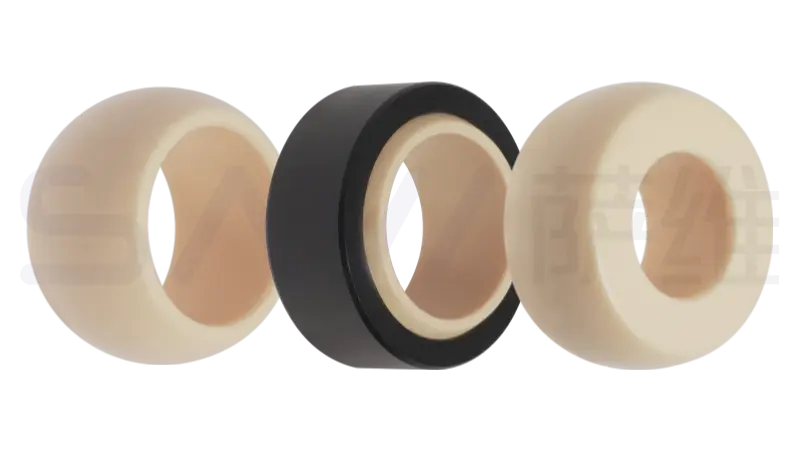
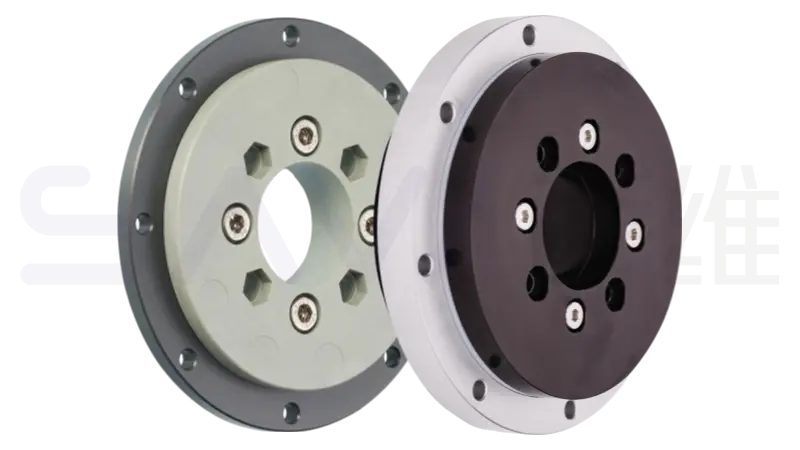
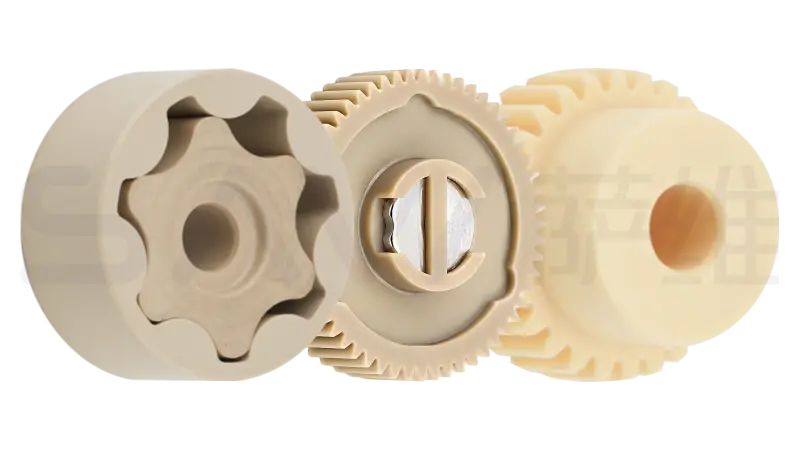
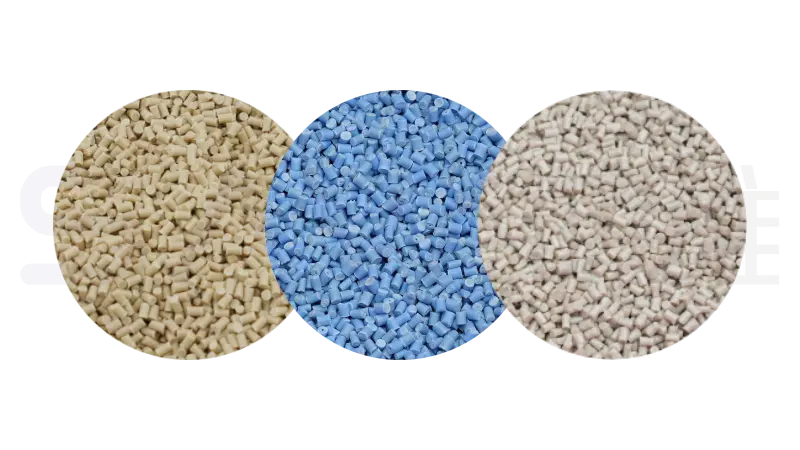
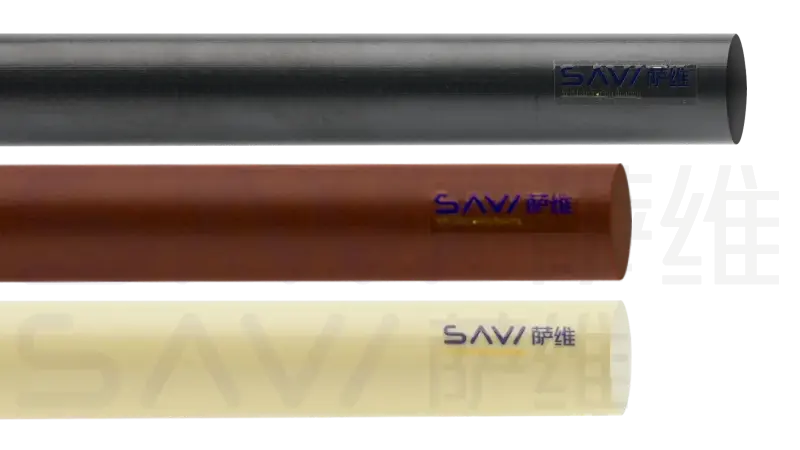
moreA national high-tech enterprise integrating the R&D, production and sales of professional maintenance-free self-lubricating materials. The company has obtained IATF 16949:2016 certification. For many years, Savi has been committed to optimizing the friction and wear properties of engineering plastics to meet industrial application requirements. Our main products include engineering plastic self-lubricating bearings, engineering plastic linear guide systems, engineering plastic spherical plain bearings, various series of wear-resistant rods, plates and wear-resistant granules.
- News
News
moreFollow Savi News to get access to the most comprehensive and latest updates on Savi’s news and technologies. Stay tuned here for company announcements and technology trends.
- Exhibition
- Contact us
Contact us
moreA national high-tech enterprise integrating the research and development, production and sales of professional maintenance-free self-lubricating materials. The company has been certified to IATF 16949:2016. For many years, Savi has been dedicated to optimizing the friction and wear performance of engineering plastics for industrial applications. Our main products cover engineering plastic self-lubricating bearings, engineering plastic linear guide systems, engineering plastic spherical plain bearings, various series of wear-resistant rods, sheets and wear-resistant pellets.