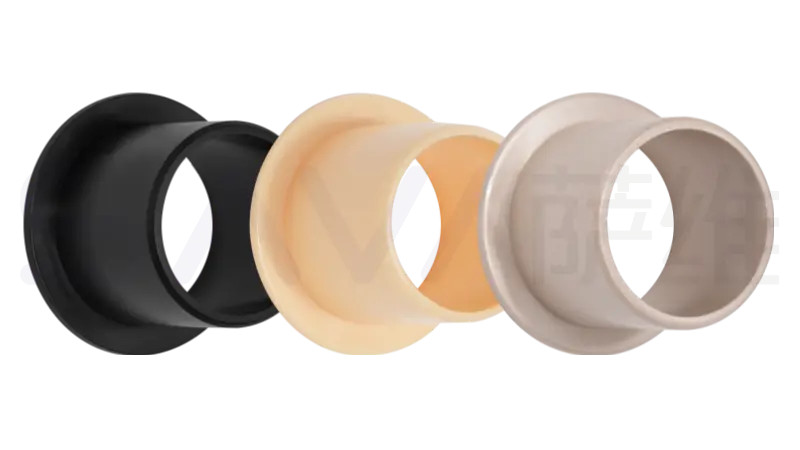
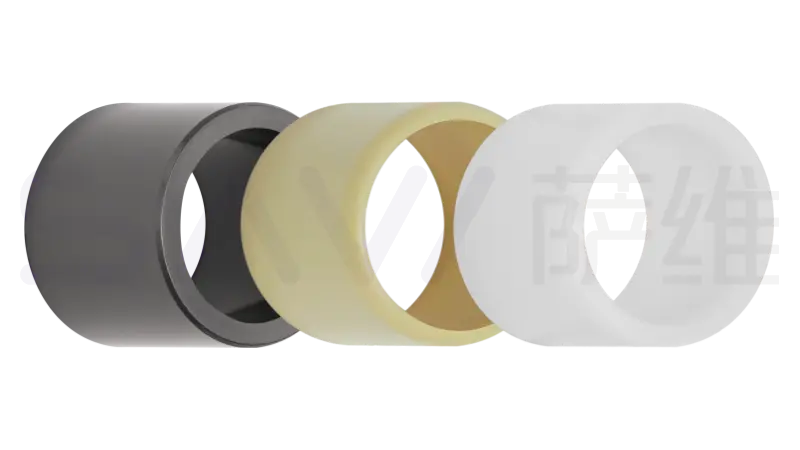


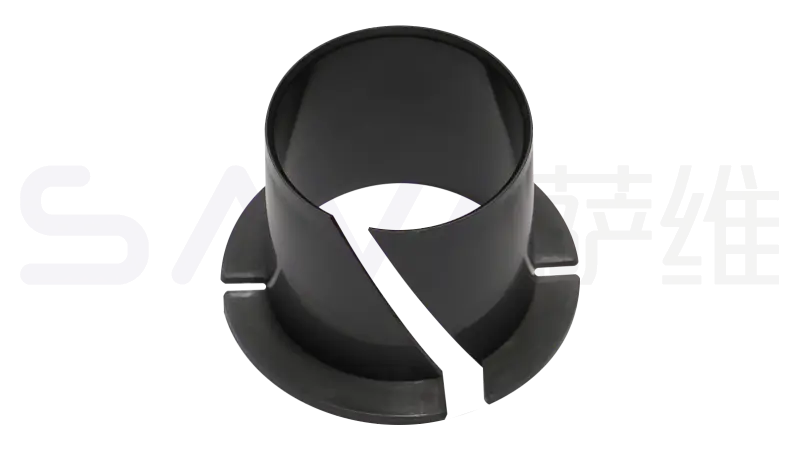

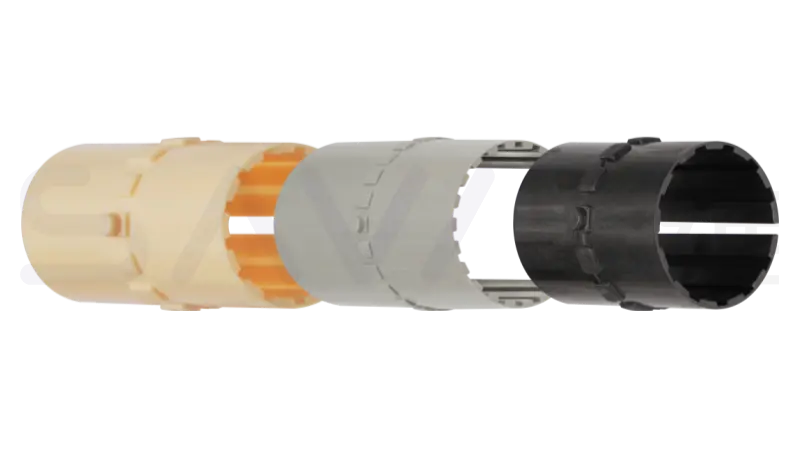
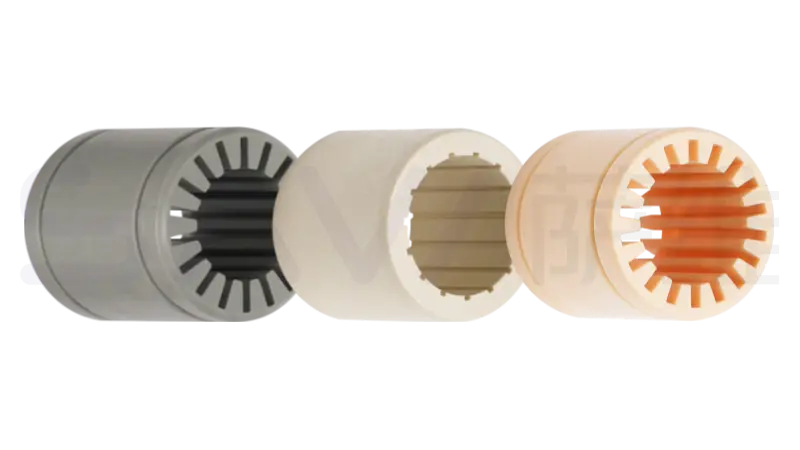
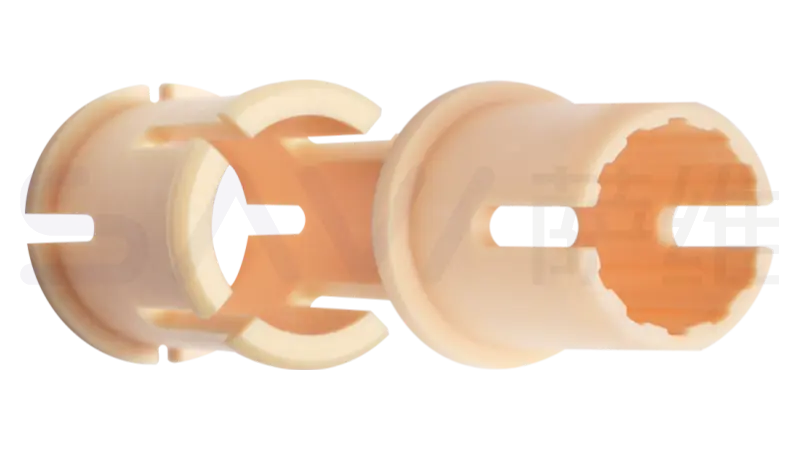
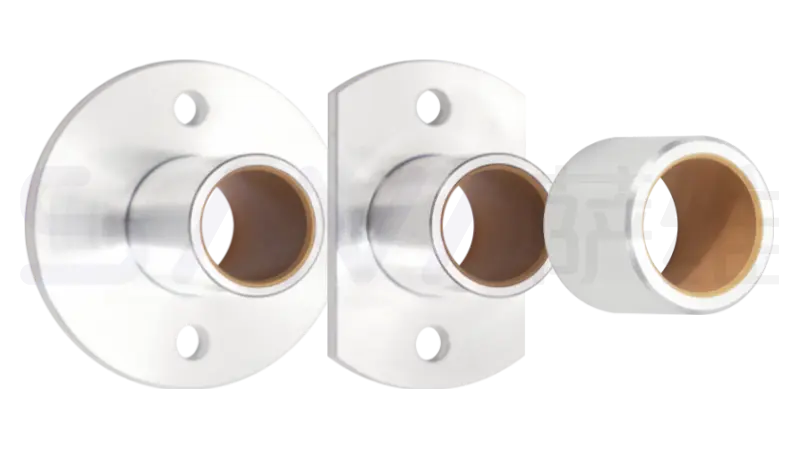
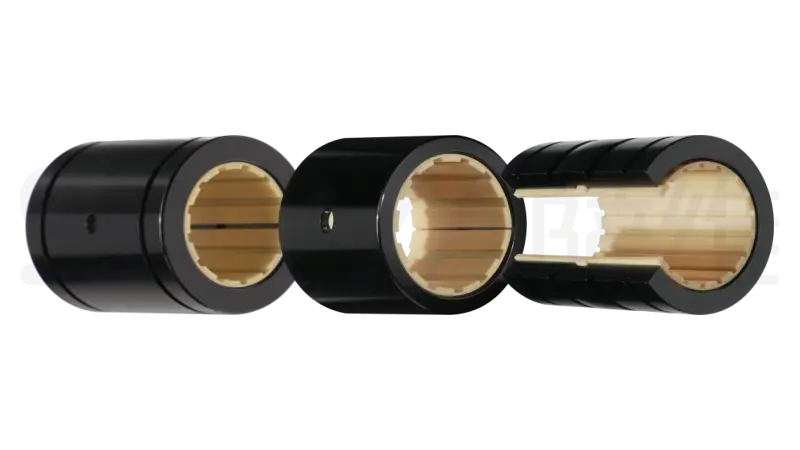
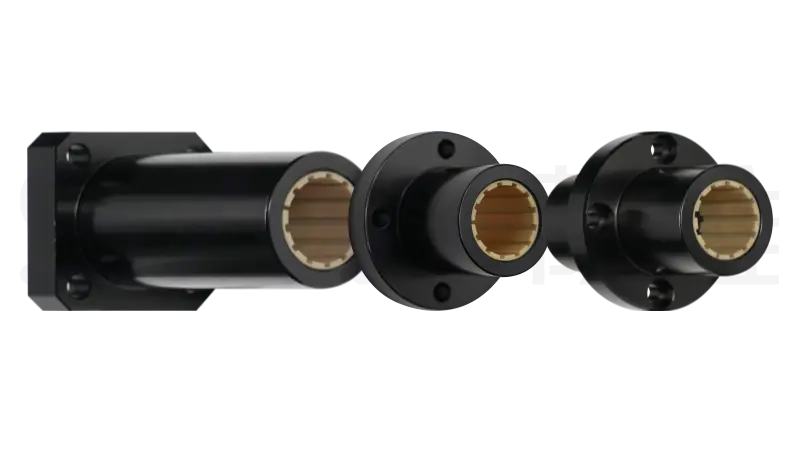
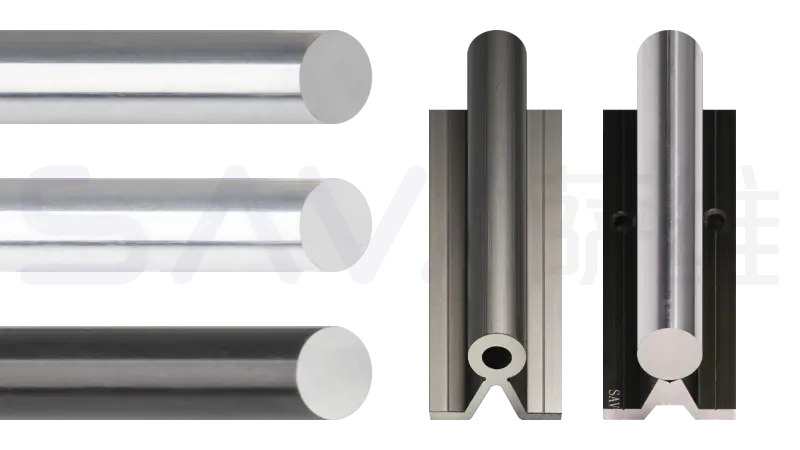
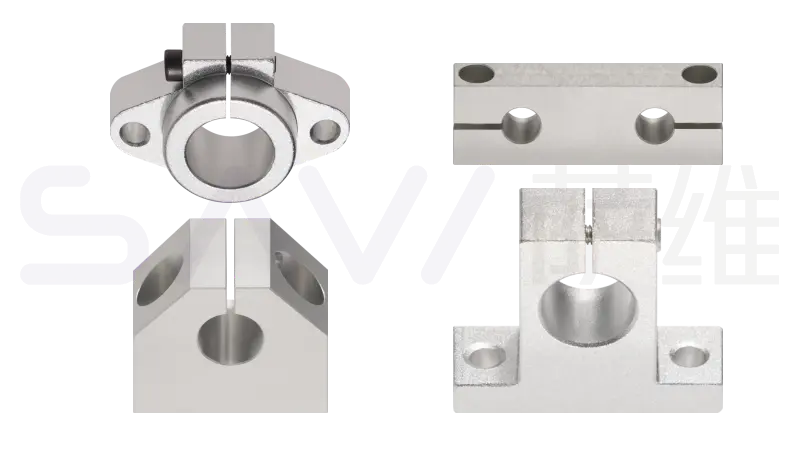
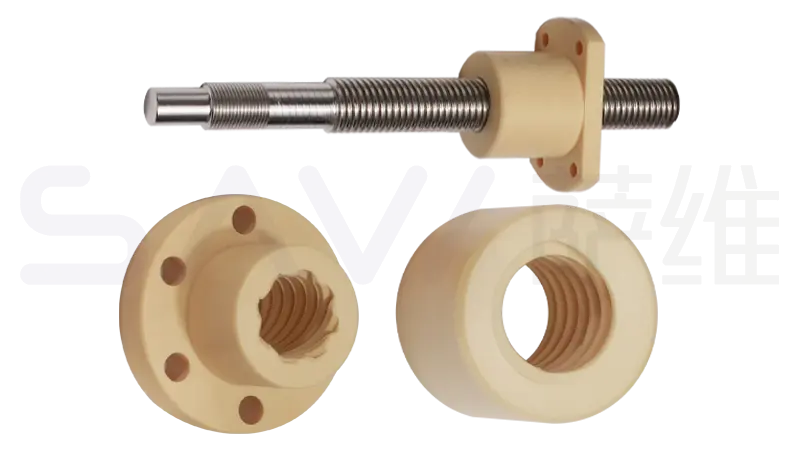
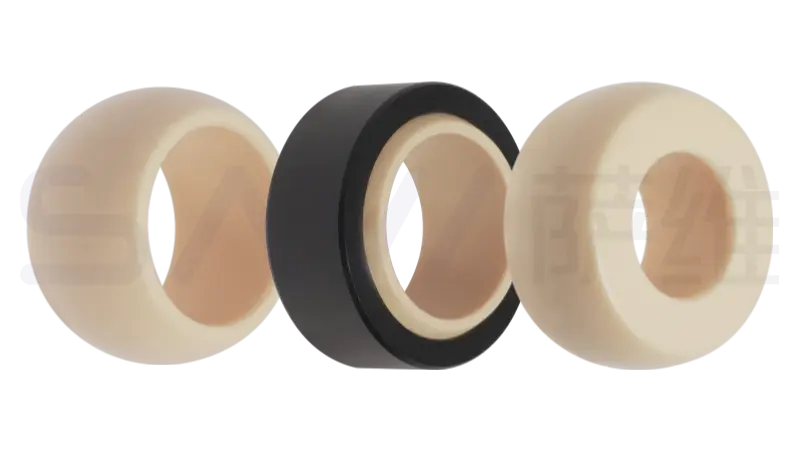
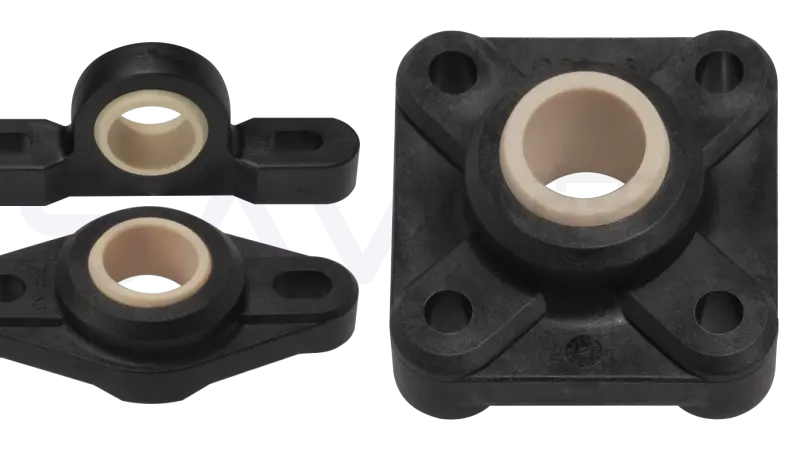
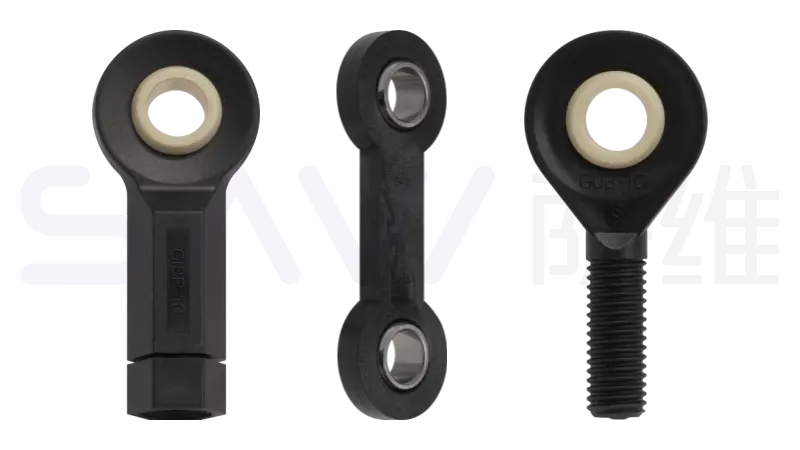
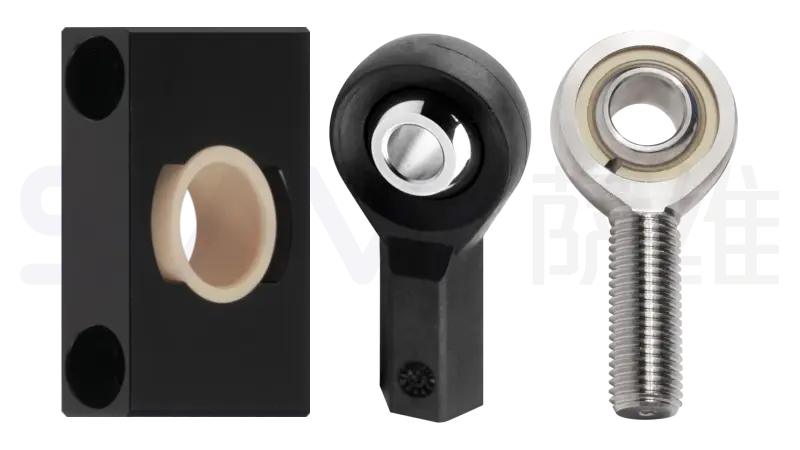
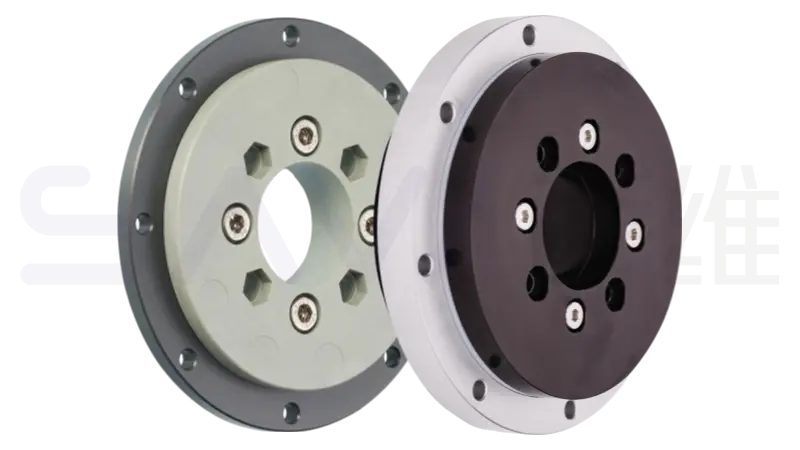
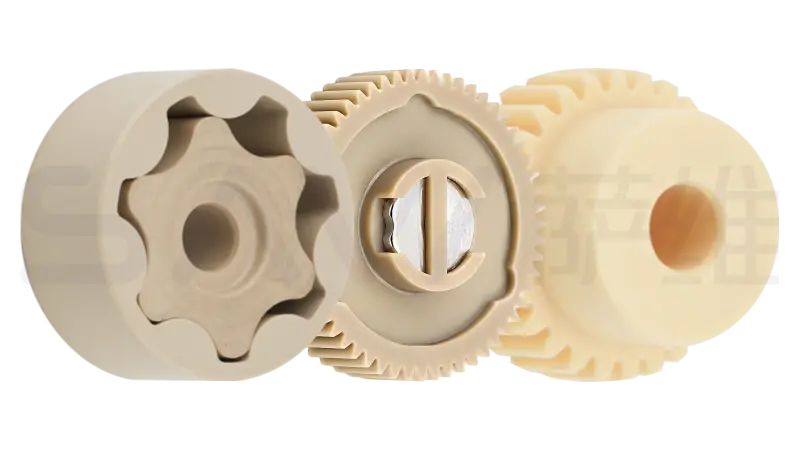
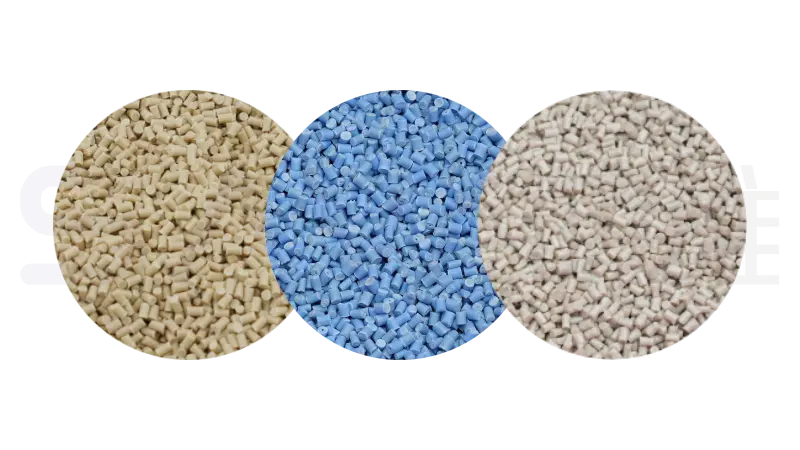
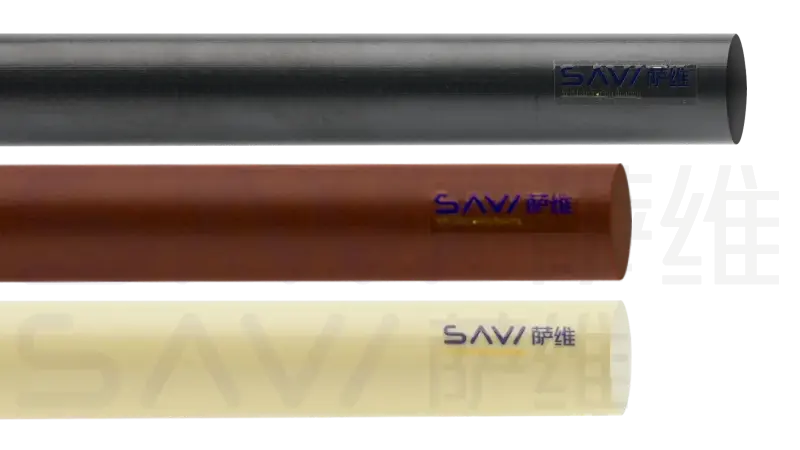
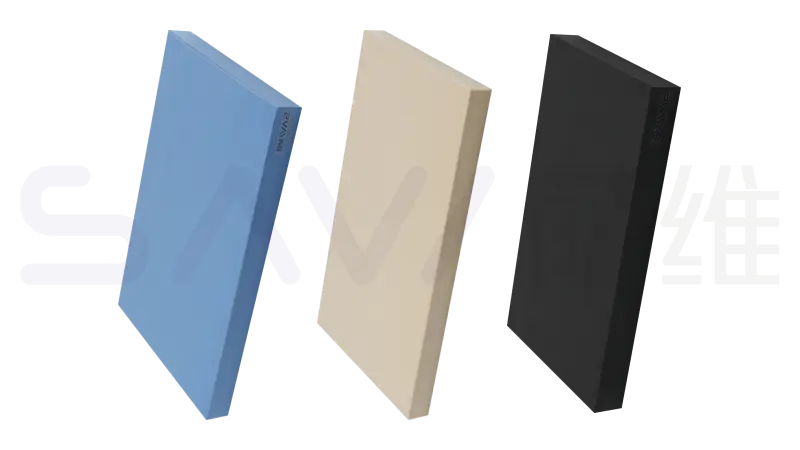
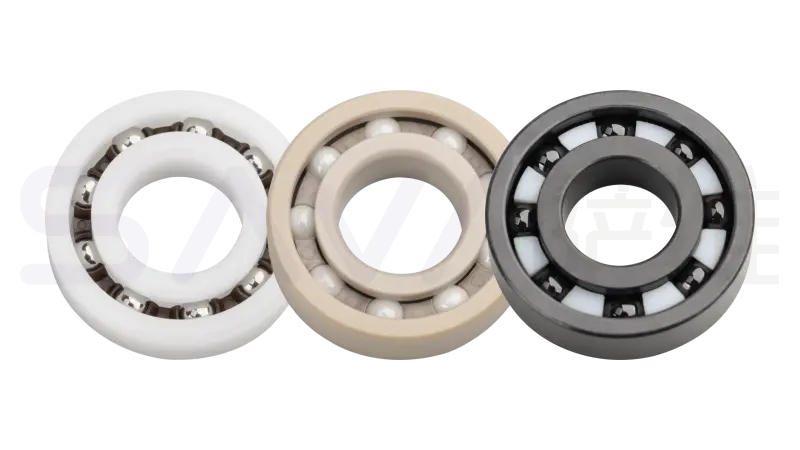
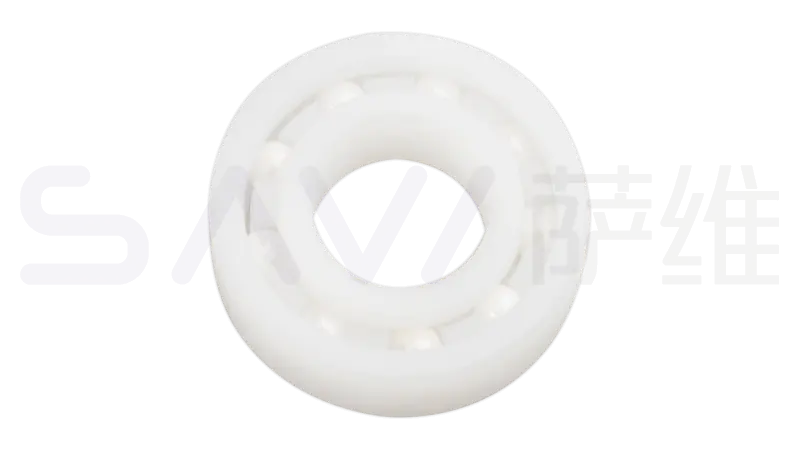
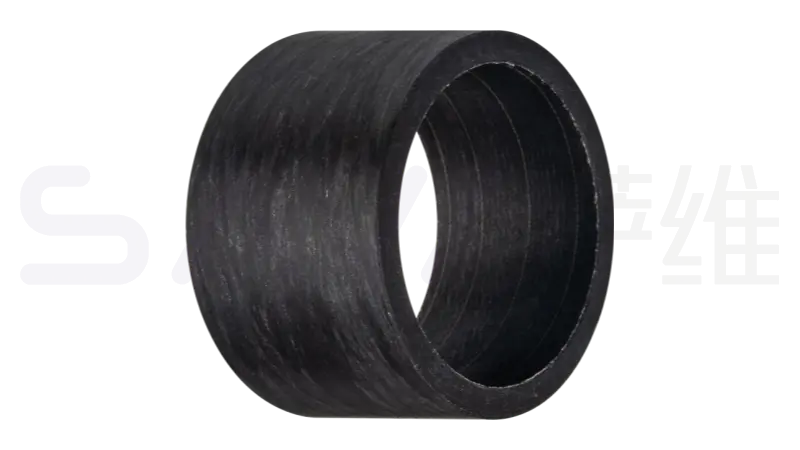





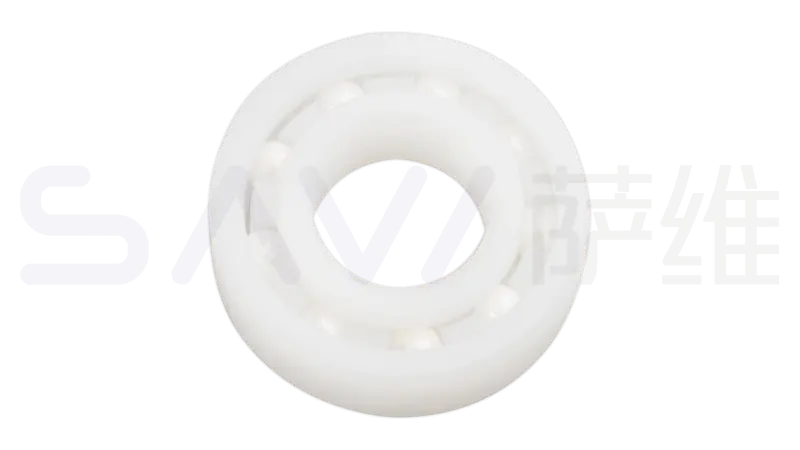
HDPE, PP and UPE materials are proven suitable for mildly alternating acid‑base environments (passed tests with 30% CuCl₂ solution and 30% NaOH solution). Therefore, they are applicable to most corrosive conditions involving acids, alkalis, salts, solvents, oils, gases and seawater. These materials feature oil‑free self‑lubrication, non‑magnetic and electrically insulating properties typical for plastic bearings. However, their mechanical strength is relatively low and they are prone to deformation. Accordingly, such acid‑alkali‑resistant plastic bearings are not suitable for heavy‑load or high‑speed applications.
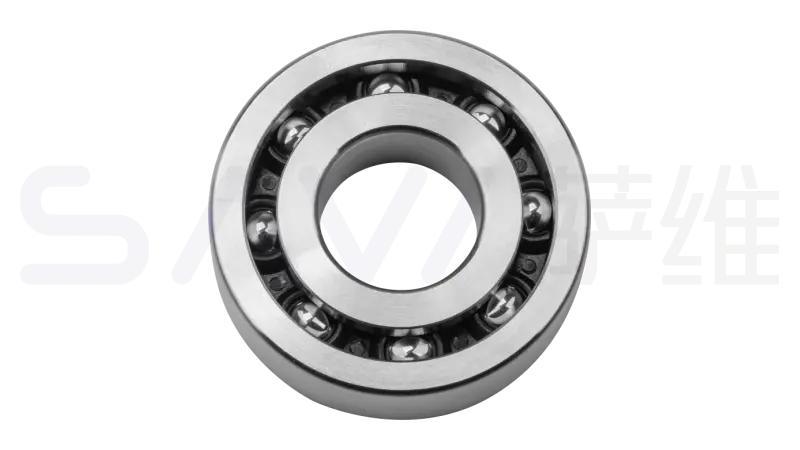
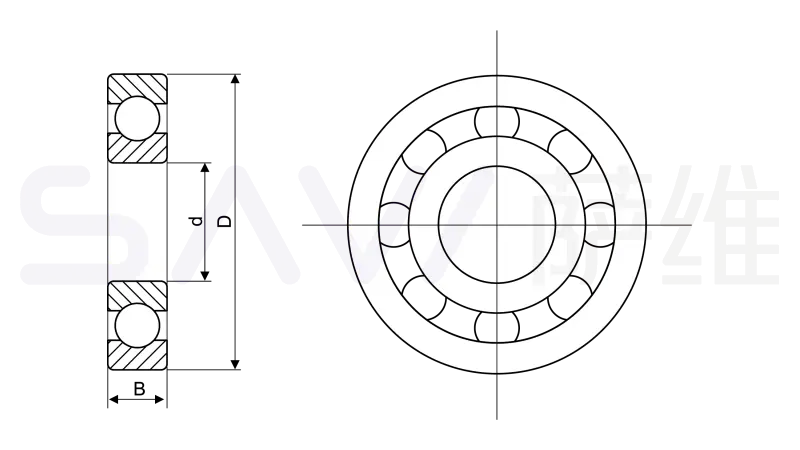
To overcome these drawbacks of acid‑alkali‑resistant plastic bearings, UPE delivers superior strength, low‑friction characteristics and low‑temperature performance with a minimum operating temperature down to ‑150 °C. Generally, inner and outer rings are made of HDPE, PP or UPE; the cage is also manufactured from HDPE, PP or UPE; balls are glass, stainless‑steel or ceramic. This configuration greatly improves the overall performance of acid‑alkali‑resistant bearings.