Maintenance-Free Transmission Solutions for Cleaner, More Efficient Packaging Equipment
Taking the fully automatic dual-head servo capping machine as the entry point, this document systematically presents the application value of polymer self-lubricating bearings in packaging production lines, industry pain-point comparisons, and technological innovation.
Fully Automatic Dual-Head Servo Capping Machine: The Arena of Precision and Line Speed
As a critical station on food, beverage, daily chemical and pharmaceutical packaging lines, the capping machine imposes extremely stringent requirements on torque accuracy, running cycle rate and hygiene standards.
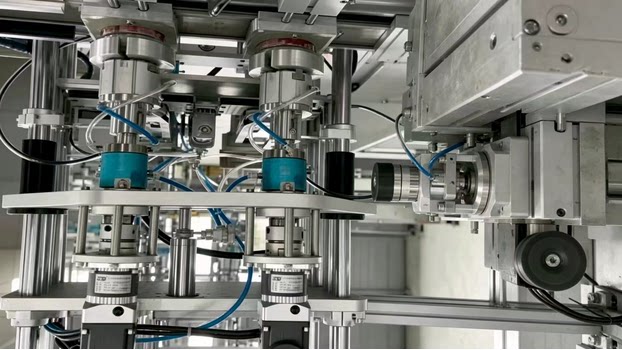
A linear bearing is installed on the vertical guide shaft of each capping unit to guide the capping head's precise up-and-down movement. In high-frequency reciprocating motion, the guide precision, wear life and maintenance convenience of the linear bearing directly determine the sealing quality of the whole machine and the line's utilization rate. The dual-head parallel operation runs stably at a cycle rate of more than 60–120 bottles per minute, while closed-loop torque feedback ensures consistent sealing.
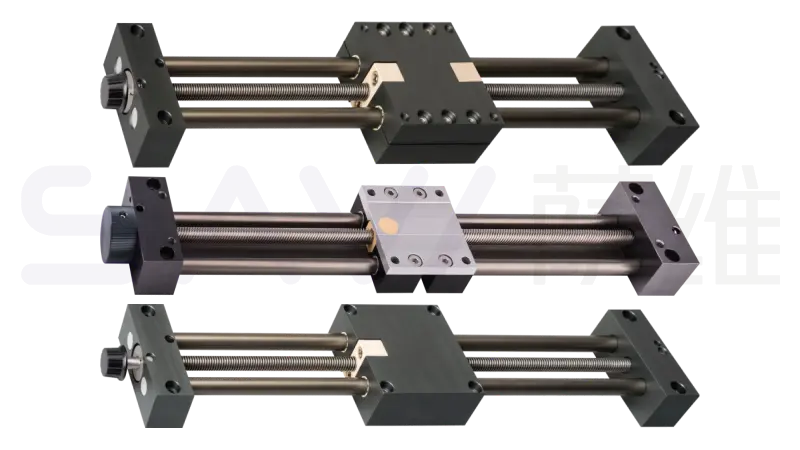
From a transmission perspective, the core kinematic pairs are: the vertical guide pair (guide column + slider/linear bearing, which determines the lifting precision of the capping head) and the rotary spindle pair (bearing the combined axial and radial loads of capping torque).
Six Major Pain Points of Traditional Metal Ball Linear Bearings
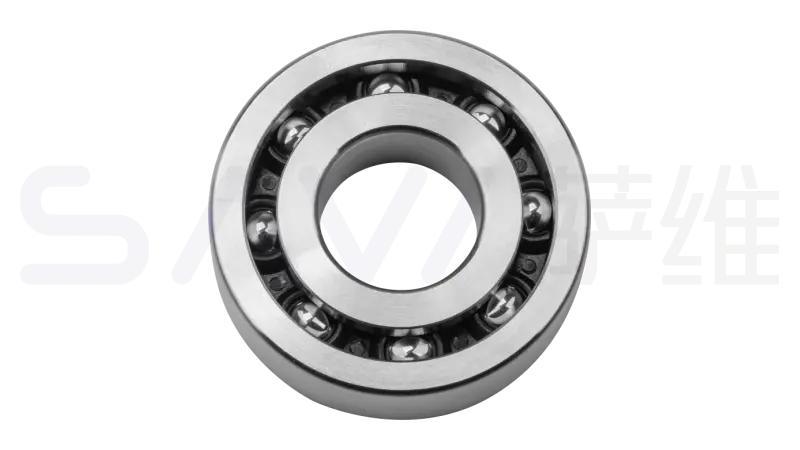
Under typical packaging industry operating conditions — high-frequency reciprocating motion, humid environments, washdown with cleaning and disinfecting agents, and food-grade hygiene requirements — traditional metal ball linear bearings face severe challenges. Based on field survey data collected by our company at multiple packaging equipment manufacturers, we have identified the following core problems:
Lubricating Grease Contamination Risk
Metal ball bearings must be periodically re-greased. In food and pharmaceutical packaging environments, grease exudation may come into contact with products or bottle necks, posing a food safety hazard and making it difficult to meet FDA and HACCP compliance requirements.
Seizure Caused by Cleaning Solution Corrosion
Packaging lines require daily equipment washdown with disinfectants such as hydrogen peroxide (H₂O₂) and sodium hypochlorite. The cages and balls of metal bearings are prone to corrosion, causing rolling elements to seize, sharply increasing motion resistance, and even leading to complete bearing seizure.
Frequent Maintenance and Downtime Losses
High-speed capping machines run 16–24 hours a day. Metal bearings require weekly re-greasing and replacement every 2–3 months. Each replacement requires disassembling the capping unit, with a single maintenance downtime of 2–4 hours, severely impacting line utilization.
Accelerated Wear from Dust and Debris
Plastic cap debris and aluminum foil sealing fragments generated during capping can easily penetrate the bearing interior, mixing with grease to form an abrasive paste that accelerates wear of the balls and guide rails, drastically shortening bearing life.
Excessive Noise and Vibration
Metal balls generate noticeable noise (65–75 dB) during high-speed reciprocating motion. Moreover, clearance increases as the balls wear, increasing the vertical runout of the capping head and affecting torque consistency and cap appearance quality.
Lubrication Failure in Low-Temperature Environments
On cold beverage and dairy packaging lines, ambient temperature often falls below 10°C. Grease viscosity rises sharply, dramatically increasing bearing starting resistance, which triggers servo motor overload alarms and causes frequent equipment failures in cold seasons.
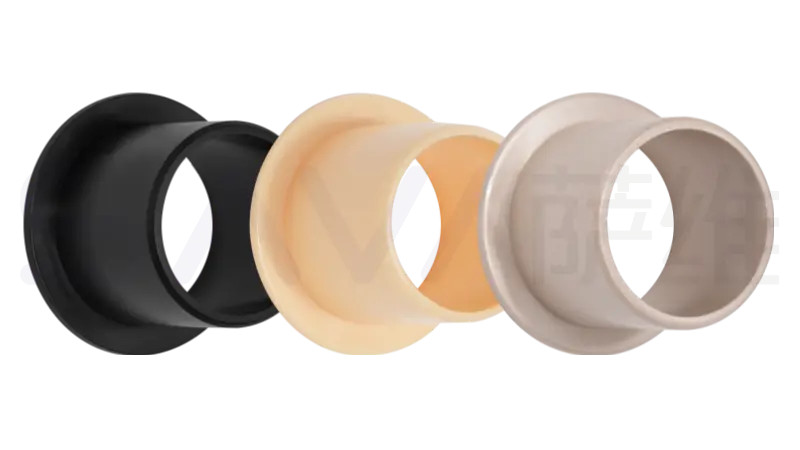
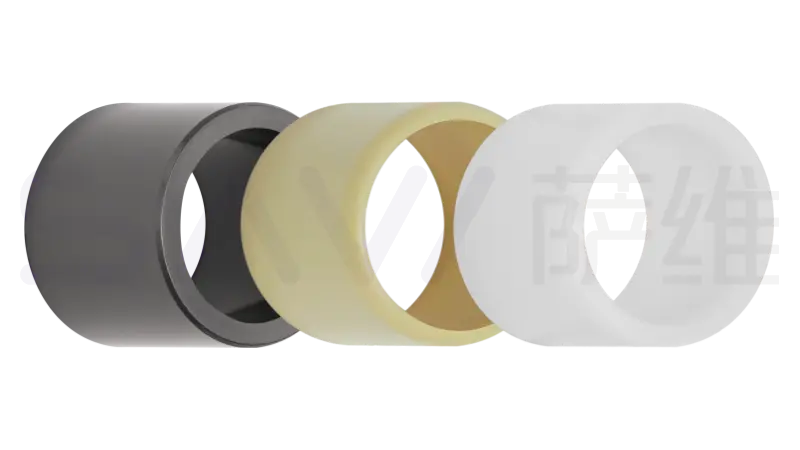
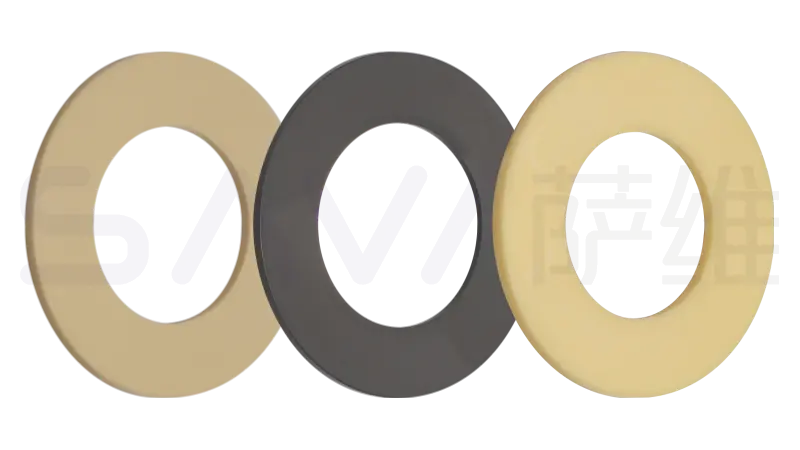
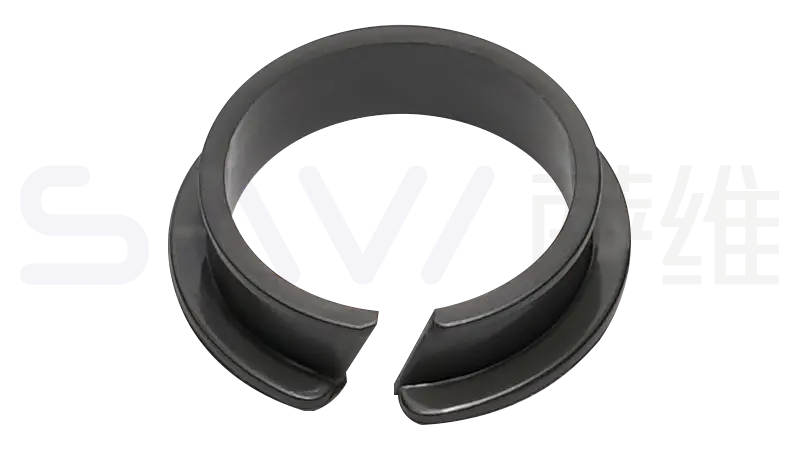
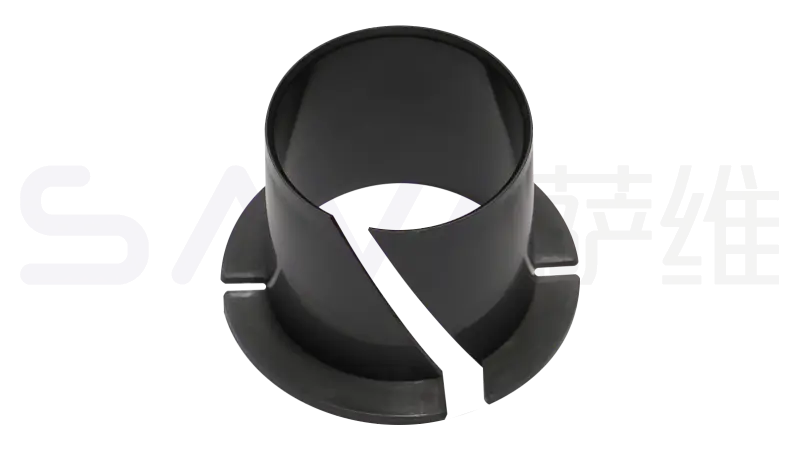
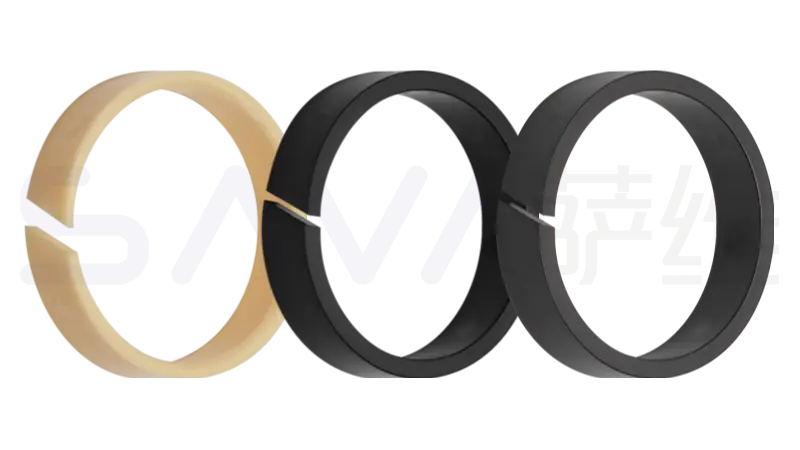
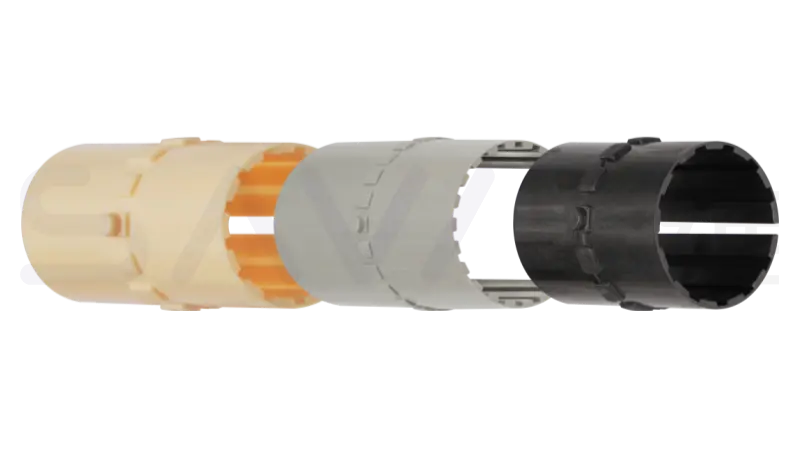
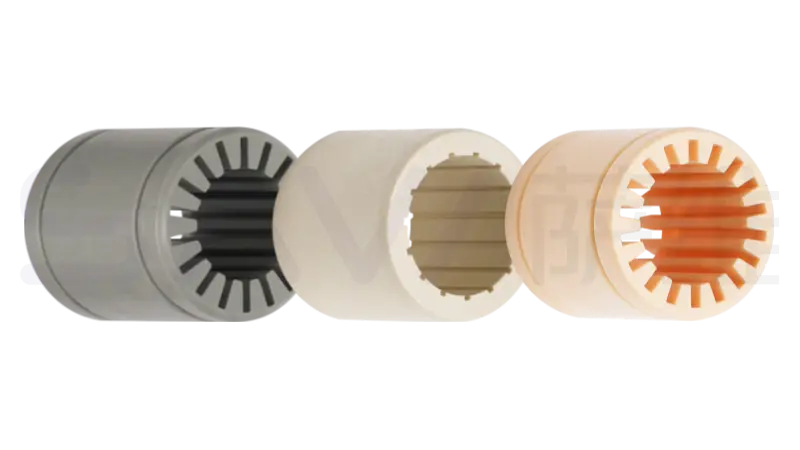
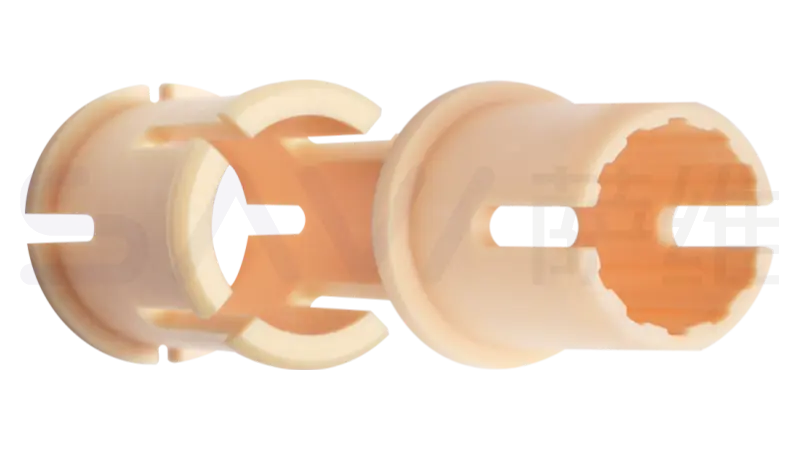
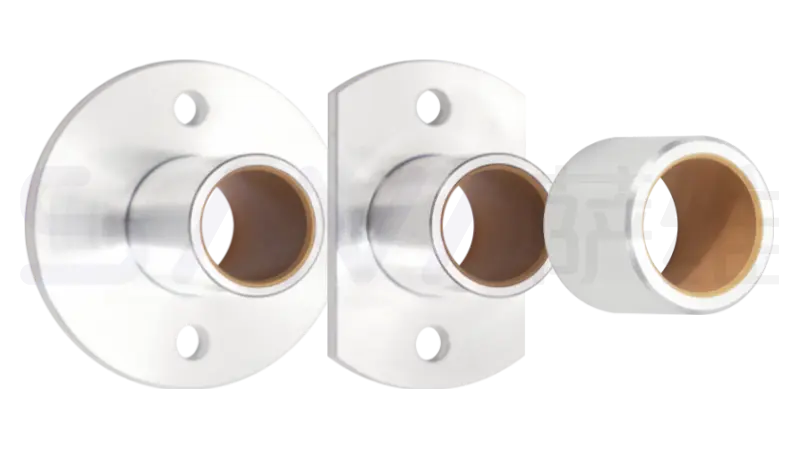
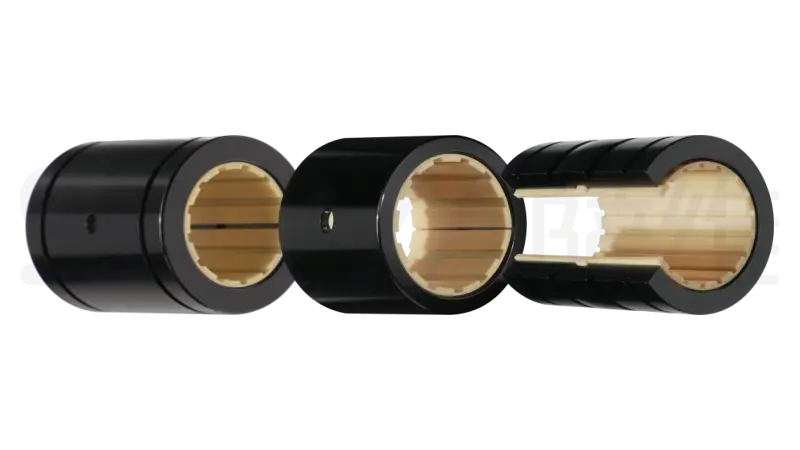
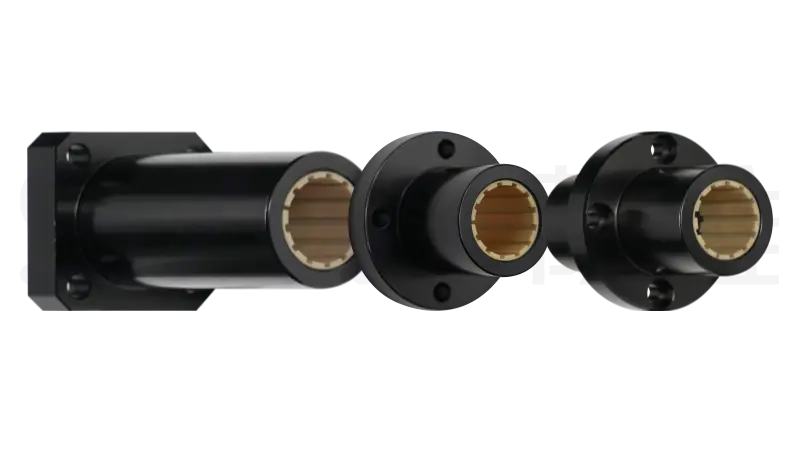
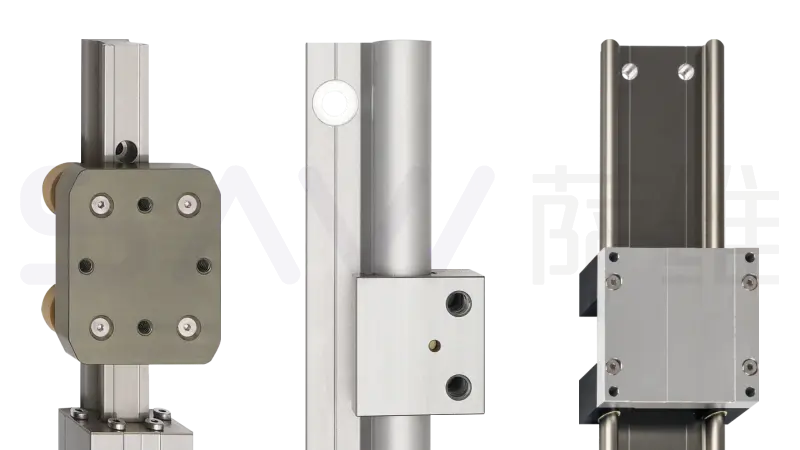
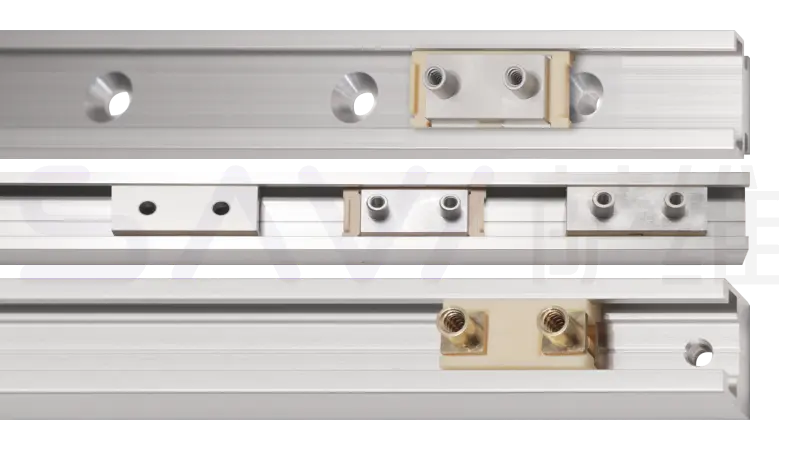
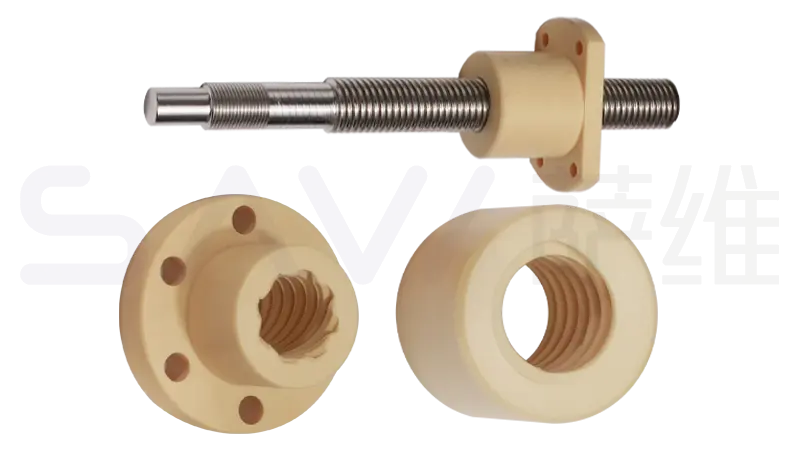
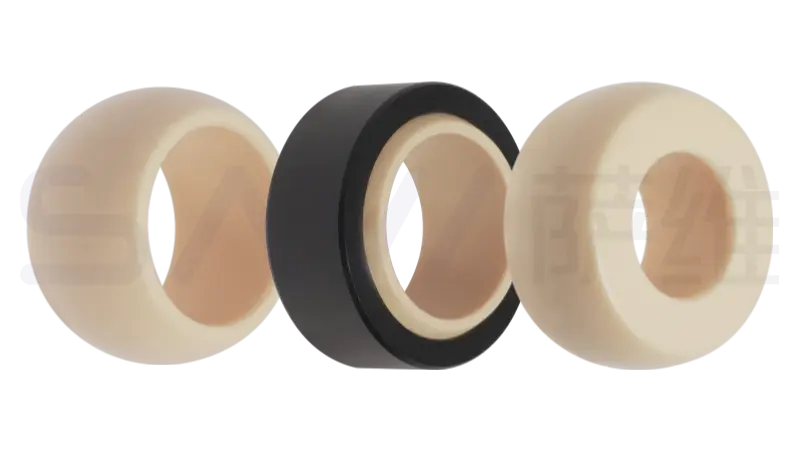
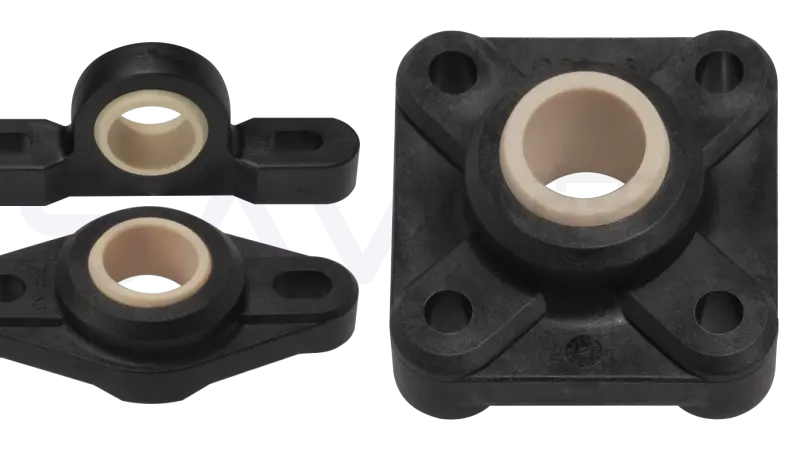
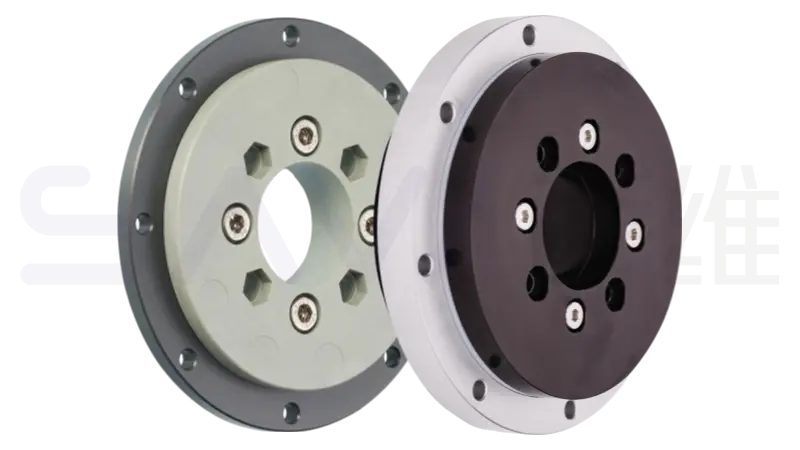
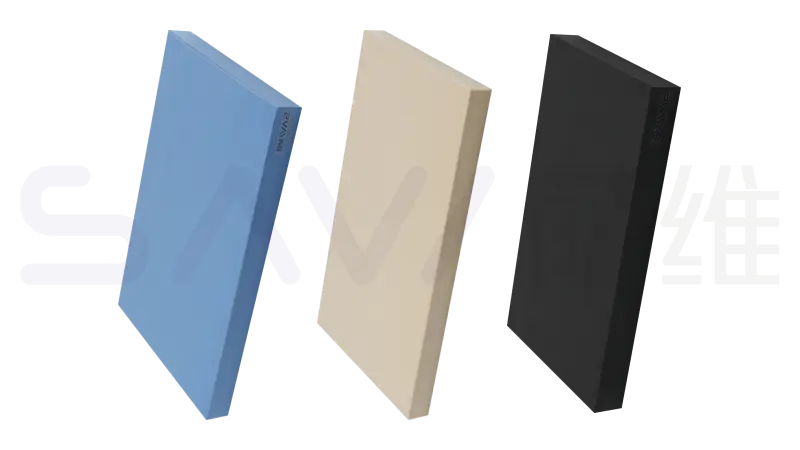
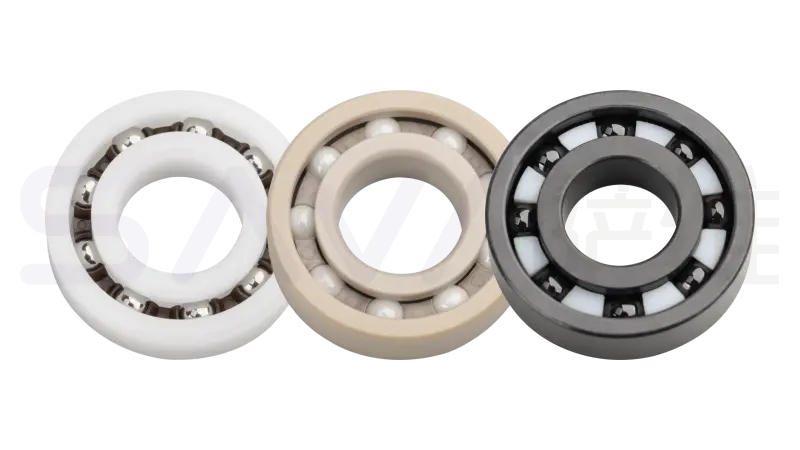
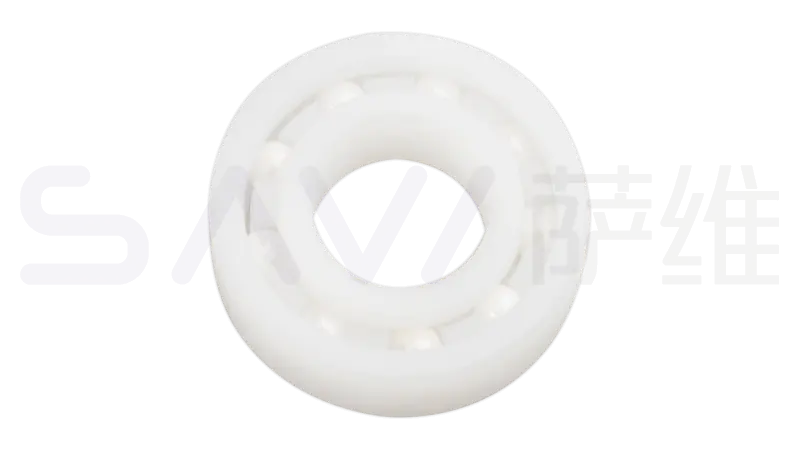
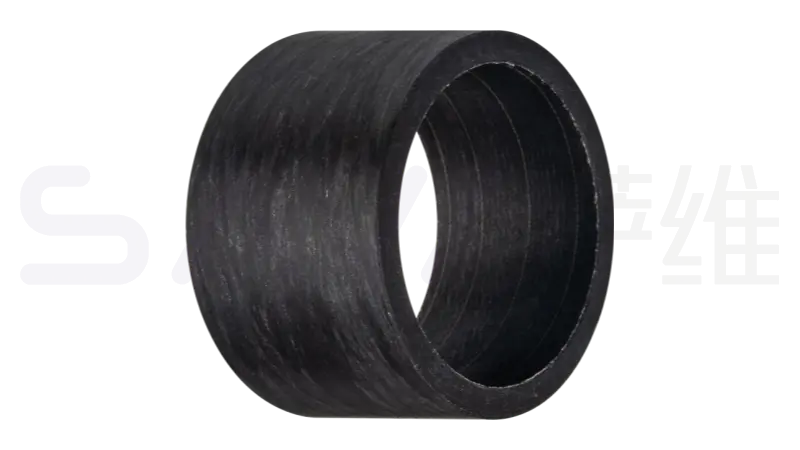
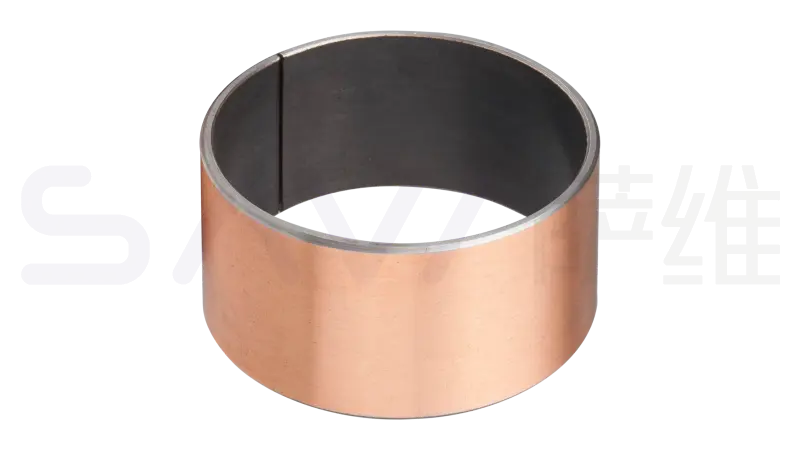
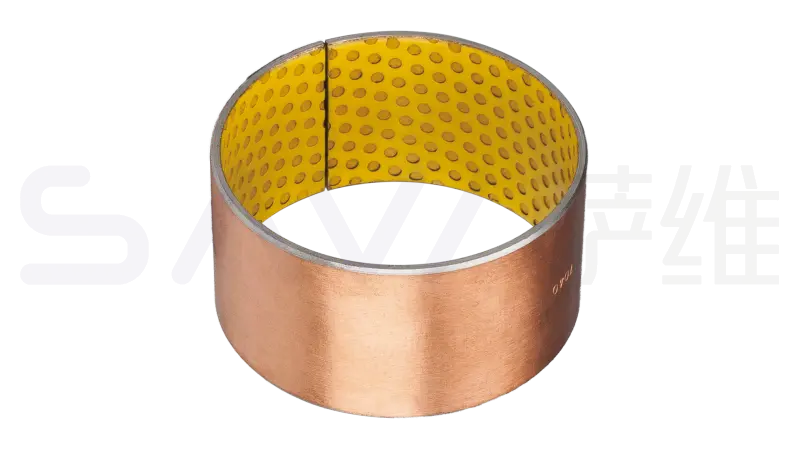
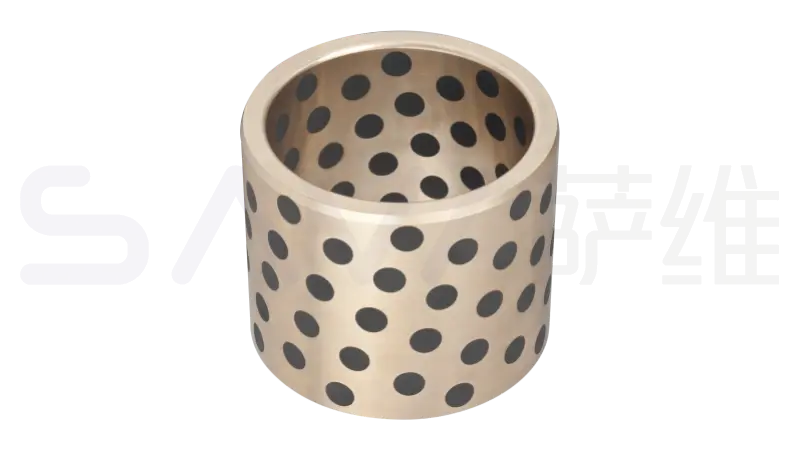
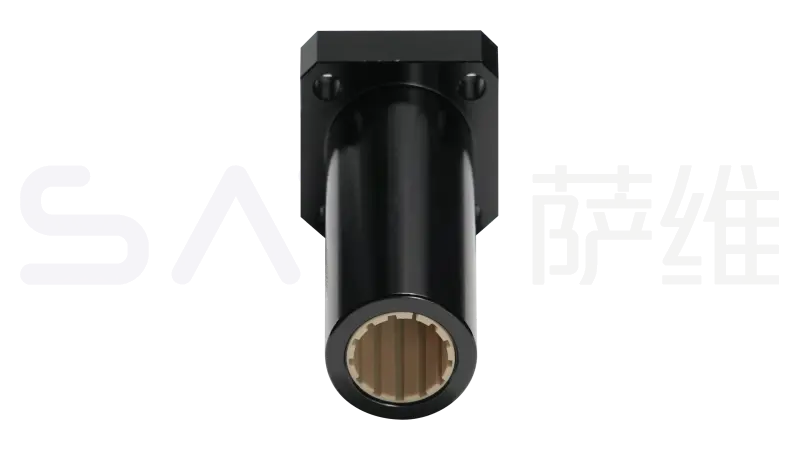
To address the above pain points of guide systems in packaging equipment, Zhejiang SAVI has launched its plastic linear bearing. Featuring a dual sliding-film guide structure — an anodized aluminum alloy housing combined with an engineering plastic self-lubricating sliding film — it completely eliminates the need for lubrication at the material level. It is the ideal guide solution for packaging industry equipment such as capping machines, filling machines and labeling machines.
Core Technical Features of the Product
 Dual sliding-film guiding: Equipped with two LIN-02 sliding films for a longer guiding distance and stronger anti-eccentric-load capability, ensuring the straightness of the capping head's vertical movement.
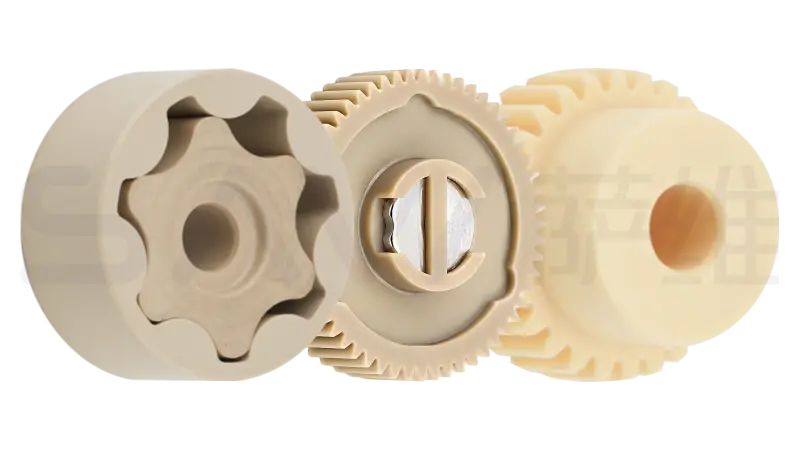
Maintenance-free self-lubrication: The engineering plastic sliding film contains a built-in solid lubricant, requiring no external lubrication for the entire service life and completely eliminating the risk of grease contamination.
Chemical corrosion resistance: The sliding film material resists long-term washdown corrosion from disinfecting and cleaning solutions such as hydrogen peroxide and sodium hypochlorite, making it suitable for food and pharmaceutical environments.
Low-noise operation: No ball rolling noise; the sliding friction mode runs quietly with working noise below 50 dB, improving the workshop environment.
Dust-resistant design: The closed square-flange structure effectively blocks external dust and debris ingress, while the sliding film has chip-discharge capability, making it suitable for dirty environments.
Wide temperature range: Usable from -50°C to +90°C; no hardening or embrittlement at low temperatures, ensuring stable operation on cold-storage packaging lines.
Application Solution for Capping Machines
In the fully automatic dual-head servo capping machine, the LIN-02RTL is mainly applied at the following key positions:
① Vertical Guide Shaft of the Capping Head
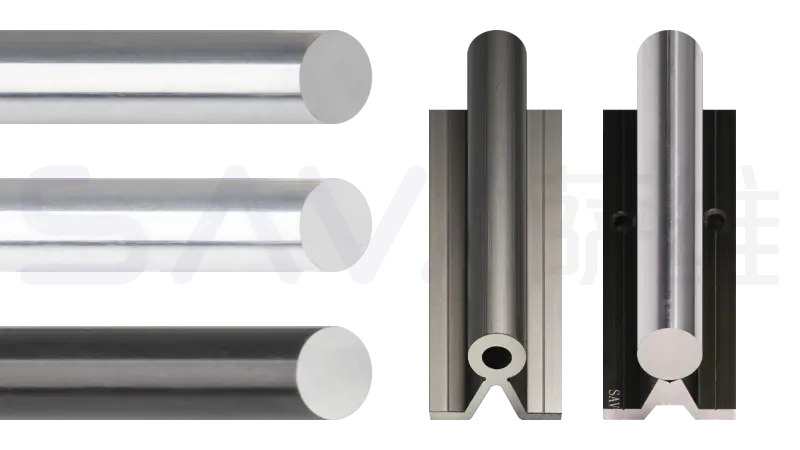
The up-and-down reciprocating motion of the capping head is achieved through the guide shaft + linear bearing. The extended dual-film guide structure ensures verticality during high-frequency lifting, preventing thread damage or torque inconsistency caused by tilted cap tightening. The maintenance-free feature ensures no grease contamination even near the bottle neck.
② Bottle Clamping and Positioning Mechanism
LIN-02RTL can be installed at the vertical adjustment guide positions of the bottle-clamping belts on both sides, accommodating rapid height adjustments during changeovers between different bottle types. The plastic bearing provides good protection for stainless steel shafts without scratching the shaft surface.
③ Cap Dropping and Sorting Lifting Mechanism
At the height-adjustment positions of the cap feeding channel of the vibratory bowl feeder or cap orienter, LIN-02RTL provides maintenance-free lifting. The closed flange structure effectively blocks plastic cap debris ingress, maintaining smooth long-term motion.
Summary and Outlook
In the industry trend of packaging equipment upgrading from "able to run" to "efficient, compliant and maintenance-free," the guide bearing — though a small component — is a critical factor determining overall machine reliability. With engineering plastic self-lubricating technology at its core, the SAVI LIN-02RTL linear bearing fundamentally eliminates the three major bearing ailments of the packaging industry — lubrication contamination, chemical corrosion and dust-induced seizure — while precisely matching the operating requirements of capping machines and other packaging equipment through innovative designs such as the extended dual-film guide, anodized aluminum housing and quick-install square flange.
We firmly believe that a good bearing is not necessarily a more expensive one, but the one that best matches the application. Zhejiang SAVI will continue to drive product upgrades through material innovation and work hand in hand with packaging equipment manufacturers to advance China's packaging equipment toward higher reliability, better hygiene compliance and lower total lifecycle cost.