Application of SAVI Self-Lubricating Bearings in Robotic Case Packers
Targeting the food & beverage packaging industry, SAVI leverages engineering plastic self-lubricating technology to solve the lubrication contamination, corrosion failure and maintenance bottlenecks of traditional metal bearings, delivering maintenance-free, food-grade, long-life transmission solutions for robotic case packers.
Starting from industry pain points, driving equipment upgrade with material innovation
As a national high-tech enterprise dedicated to the optimization of friction and wear in engineering plastics, SAVI has always kept a close eye on the transmission challenges faced by downstream equipment manufacturers under real-world operating conditions. The rapid growth of the food & beverage packaging industry is driving robotic case packers toward higher line speeds, stricter hygiene standards and lower maintenance costs — precisely the pace that traditional metal bearings find hardest to keep up with.
01. Equipment Application Scenarios
Robotic Case Packer: The Core Equipment of Food & Beverage End-of-Line Packaging
A robotic case packer is a critical piece of equipment in the end-of-line packaging stage of food & beverage production lines. It is responsible for picking finished cans (bottles) from the conveyor belt and loading them neatly into cartons or tote boxes. Its typical configuration and workflow are as follows:
Working Principle of the Equipment
The equipment consists of three main parts: a multi-joint industrial robotic arm, a multi-head pneumatic gripper, and a stainless steel conveyor system. The robotic arm picks up multiple groups of cans simultaneously from the conveyor (commonly in sets of 4 or 6), positions them precisely via linear guides, and places them into cartons below. The line can achieve a throughput of more than 20 cases per minute and is widely used on three-piece can beverage production lines for herbal tea, protein drinks, eight-treasure congee, coconut juice and other products.
Key Bearing Positions in the Equipment
Inside a robotic case packer, there are numerous joints and guide structures requiring sliding, rotary and linear motion. Bearing performance directly determines the operational stability of the equipment and its compliance with food safety regulations. SAVI has identified the following four key application points:
Robotic Arm Joint Pivot Shafts
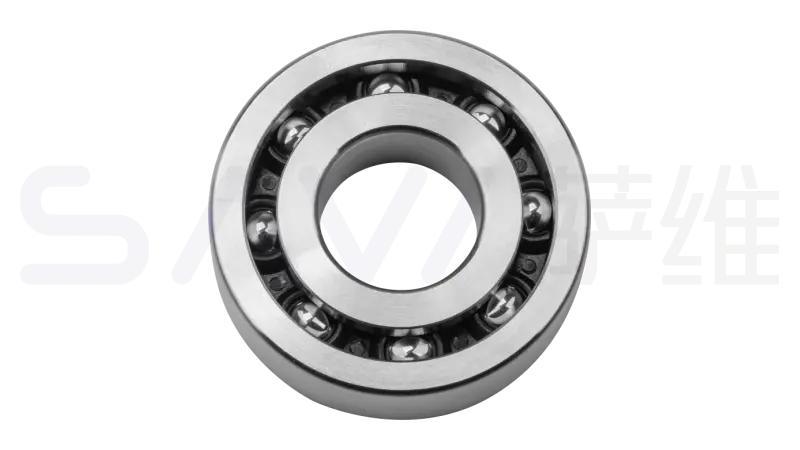
Each rotary joint of the multi-joint arm must withstand alternating loads while maintaining motion precision, making them the core kinematic pairs of the equipment. Traditional solutions use oil-impregnated metal bearings or needle roller bearings, which require periodic lubrication.
Linear Guides of the Gripping Module
The multi-head gripper uses linear guides to achieve precise X/Y positioning and spacing adjustment. In dusty environments, metal linear bearings tend to seize and require frequent maintenance.
Conveyor Support Rollers and Guiding
The roller supports and lateral guides of the stainless steel conveyor must bear the weight and impact of the cans. In high-humidity washdown environments, metal bearings are highly susceptible to corrosion.
Pneumatic Gripper Pivot Shafts and Spherical Joints
The opening/closing pivot shafts and spherical self-aligning joints of the pneumatic gripper require flexible oscillation. Lubricating grease leakage may come into direct contact with food packaging, posing a contamination hazard.
02. Problems and Challenges
Four Major Pain Points of Traditional Metal Bearings in Packaging Robots
Under the special operating conditions of food & beverage packaging, the problems faced by traditional metal bearings (including oil-impregnated sintered bronze bearings and deep groove ball bearings) are not isolated cases but common bottlenecks across the industry. Drawing on its service experience in the food packaging sector, SAVI summarizes them into the following four challenges:
Lubricating Grease Contaminating Food
Traditional metal bearings rely on external lubricating grease to maintain operation. In food & beverage plants, grease leakage or splashing can come into direct contact with cans, packaging materials and even the products themselves. More seriously, the surface of grease acts like a magnet, attracting airborne dust and particles and becoming a source of contamination.
Corrosion in High-Humidity Washdown Environments
Food & beverage production lines require frequent washing and disinfection with acidic and alkaline cleaning agents. In such environments, metal bearings are highly prone to rust, corrosion and lubrication failure. When wash water and condensate seep into the bearing interior, they destroy the oil film structure and accelerate wear. Corrosion debris may also detach and mix into the product flow, creating a risk of secondary contamination.
Frequent Maintenance and High Downtime Costs
Metal bearings require regular grease refilling, wear inspection and replacement of damaged parts. Food packaging lines typically run continuously 24 hours a day, and every maintenance shutdown means lost production capacity and delayed orders. Under low-speed, heavy-load and frequent start-stop conditions, oil-impregnated bronze bearings struggle to form an oil film, so dry friction intensifies wear and further shortens the maintenance interval.
Precision Degradation Due to Wear
As metal bearings wear, clearances increase, leading to reduced positioning accuracy of the robotic arm, pick misalignment and higher noise. When dust and particles invade the raceways, they cause abrasive wear and disrupt the matching of rolling elements. For high-speed case packers running at more than 20 cases per minute, even millimeter-level precision decay can cause missed picks, can toppling and carton damage, directly affecting the yield rate.
03. SAVI Solutions
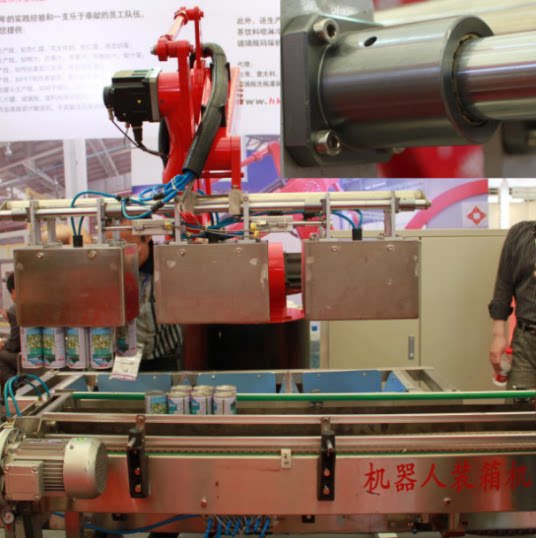 Full-Position Replacement Solution with Engineering Plastic Self-Lubricating Bearings
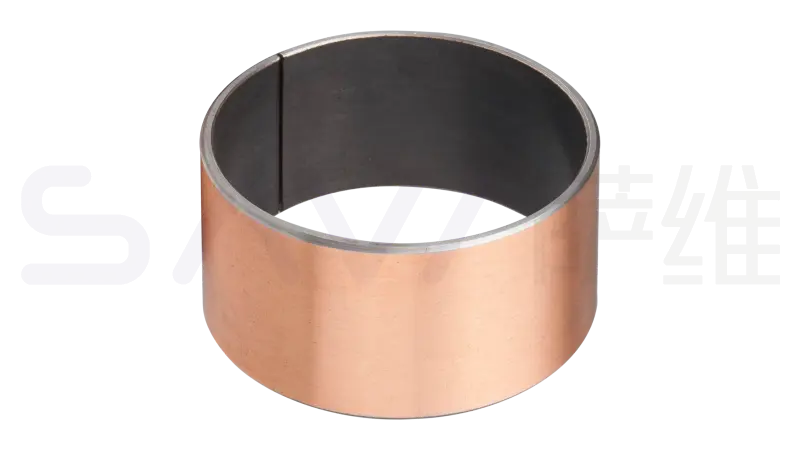
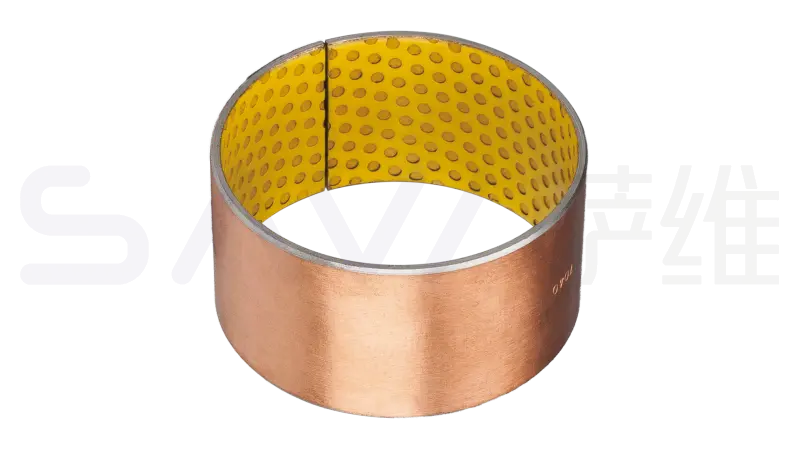
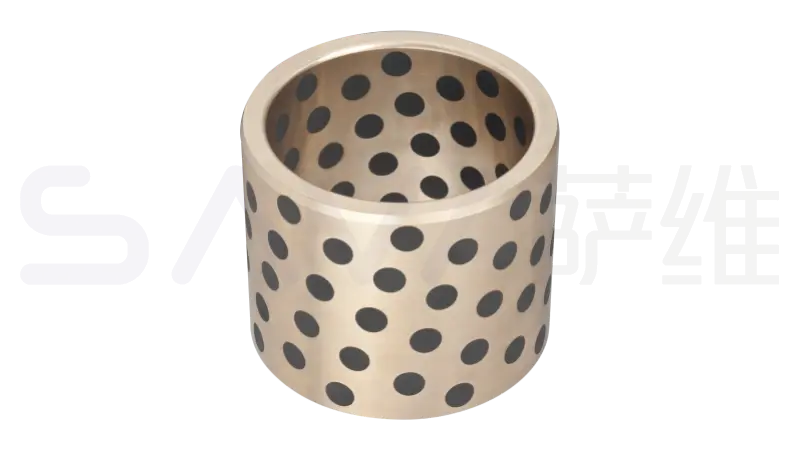
To address the four challenges above, SAVI recommends systematically replacing the key kinematic pairs of robotic case packers with its engineering plastic self-lubricating bearing series. The core concept of this solution is to replace external grease lubrication with solid lubricants embedded in the material, eliminating the contamination source at its root, while leveraging the corrosion resistance and lightweight properties of engineering plastics to enhance overall equipment reliability.
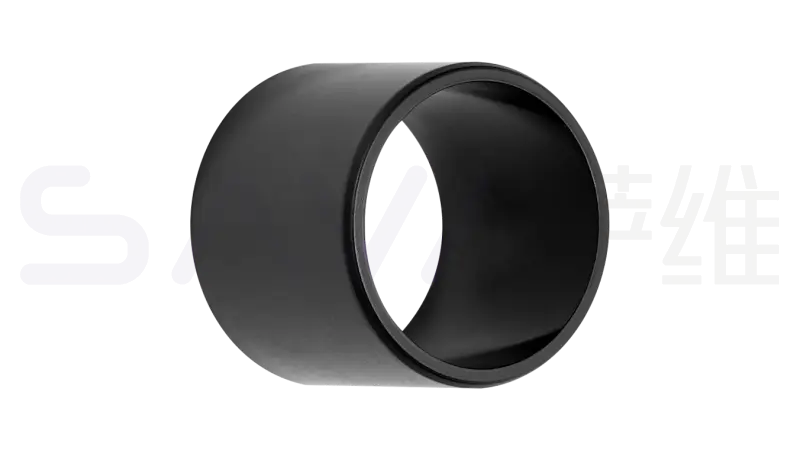
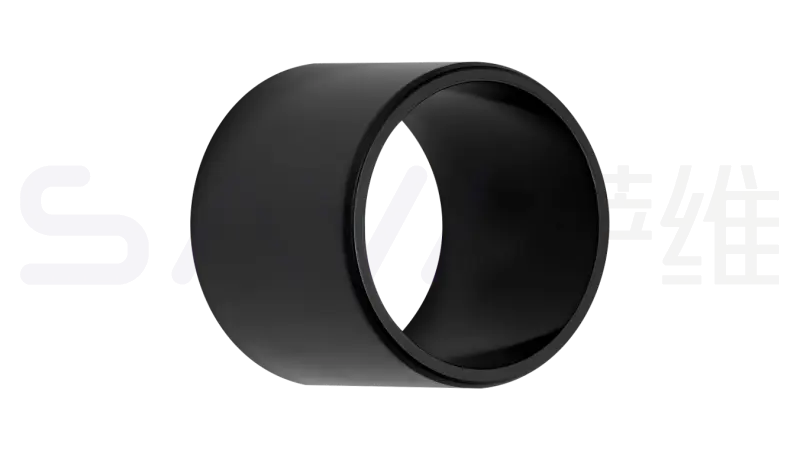
Robotic Arm Joint Pivot Shafts → EP Series Engineering Plastic Self-Lubricating Bearings
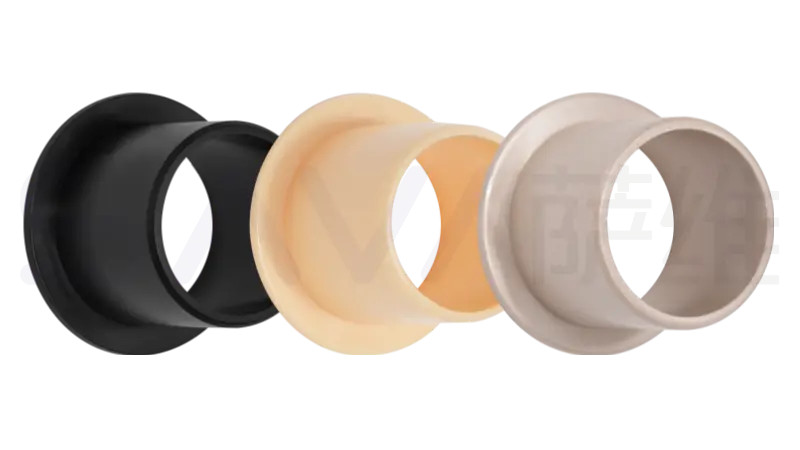
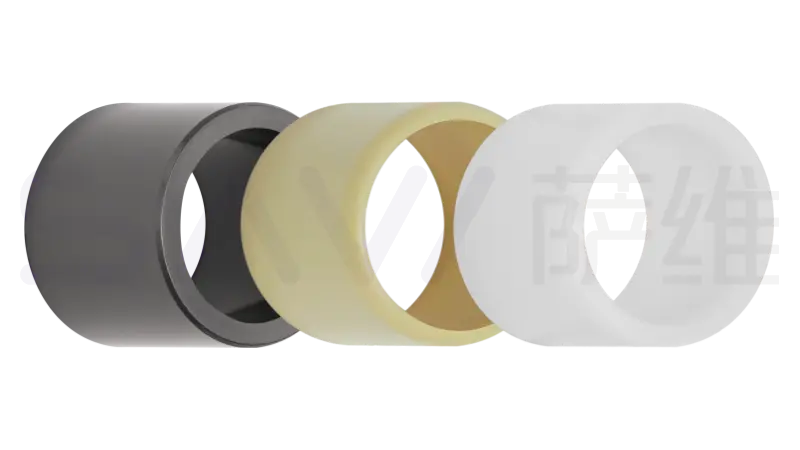
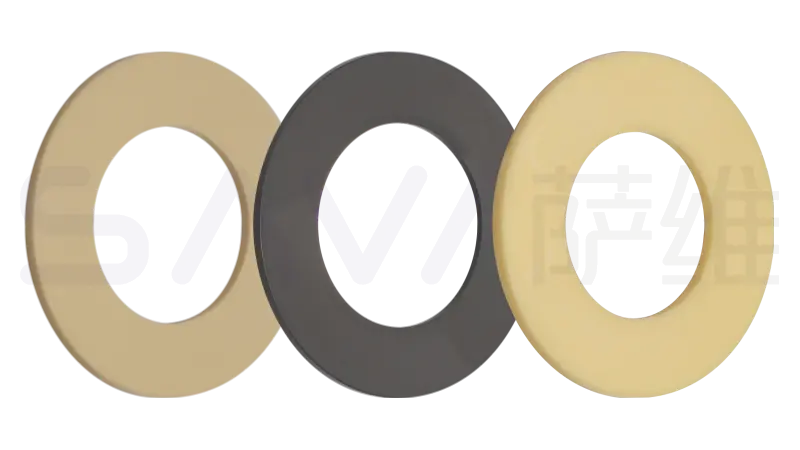
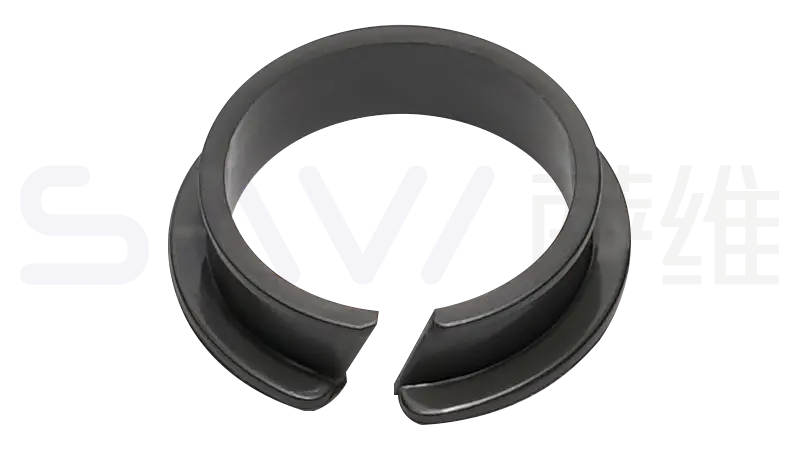
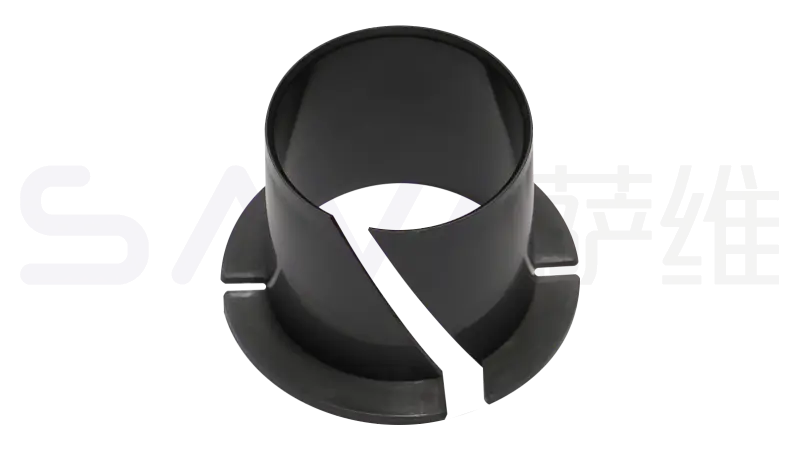
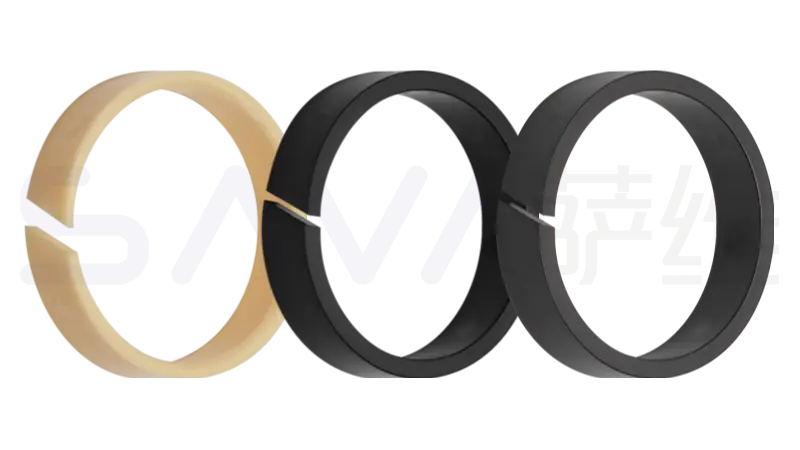
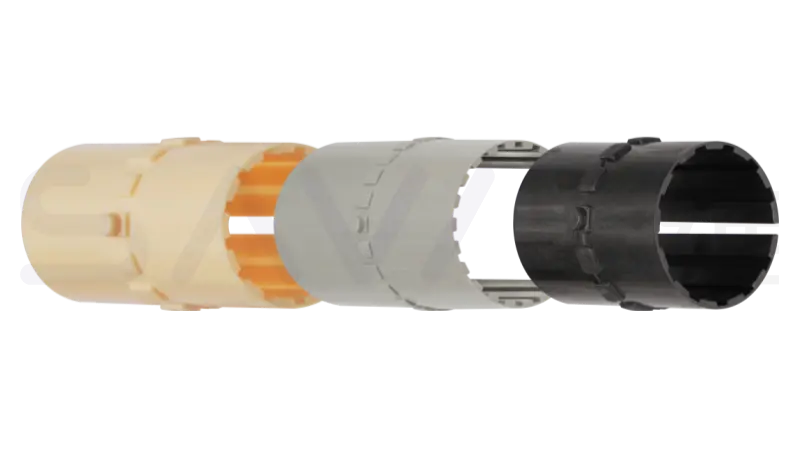
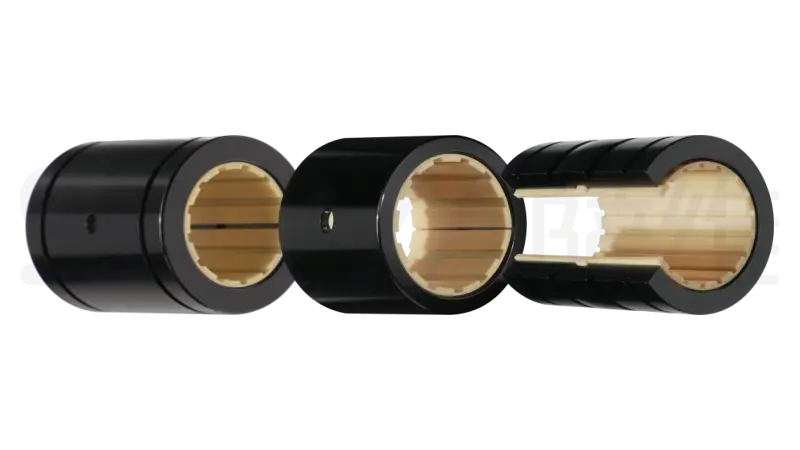
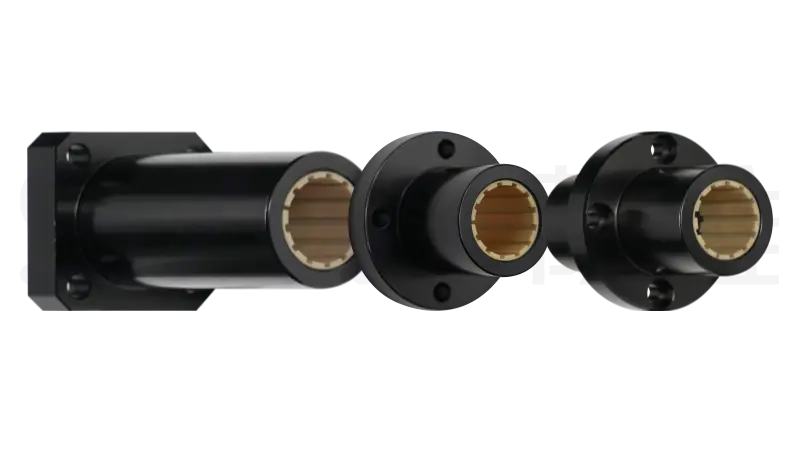
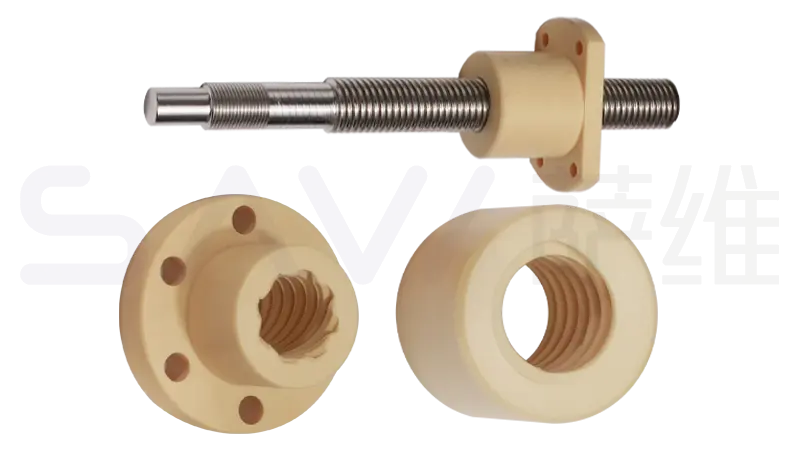
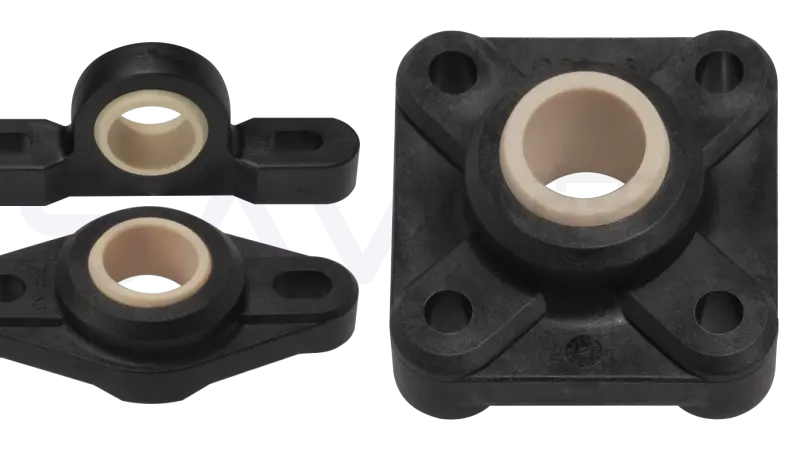
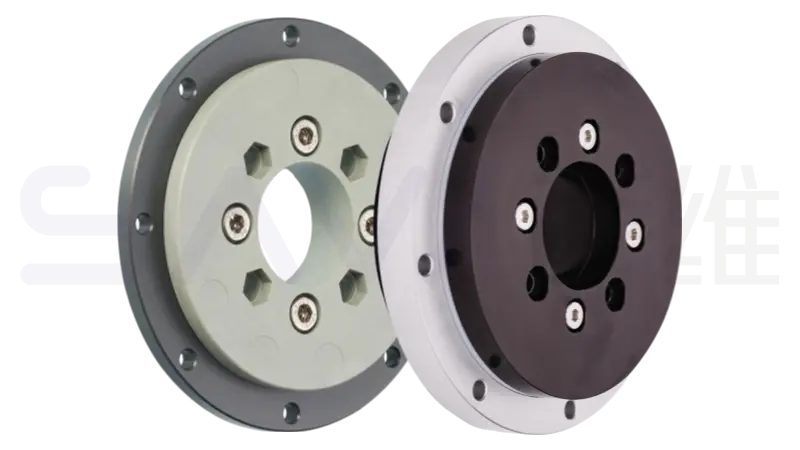
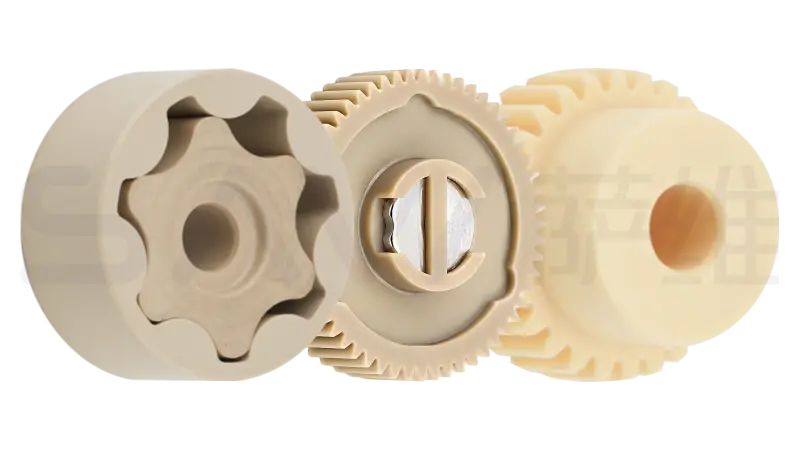
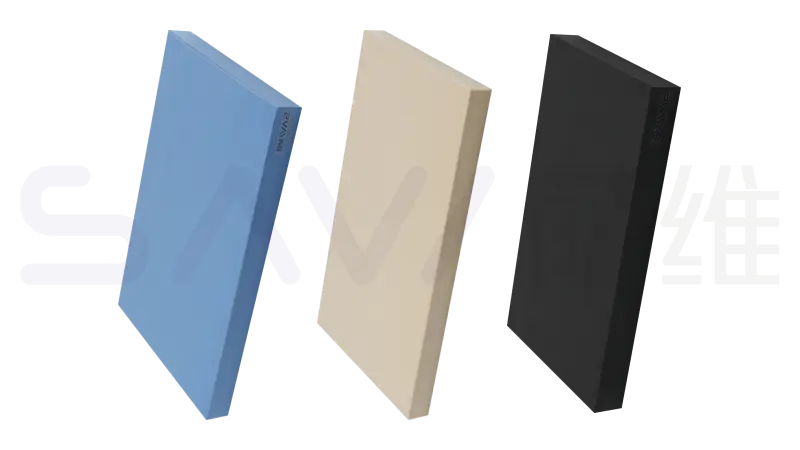
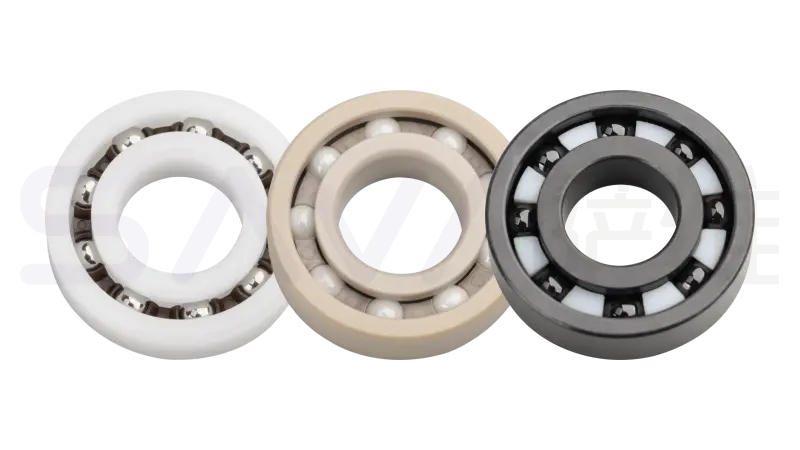
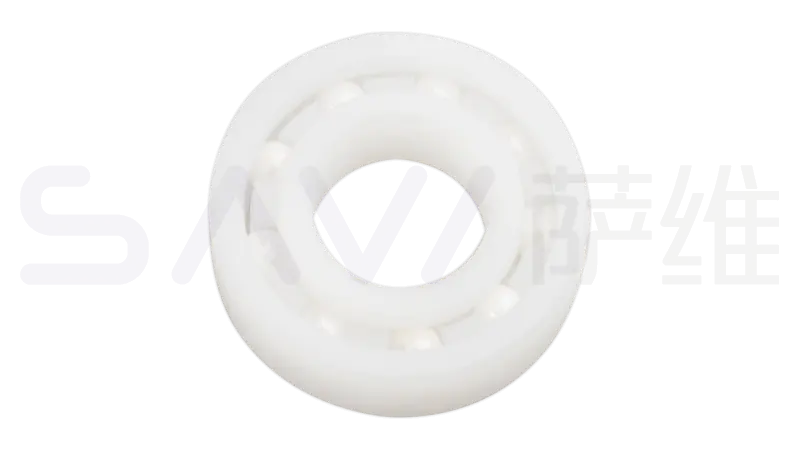
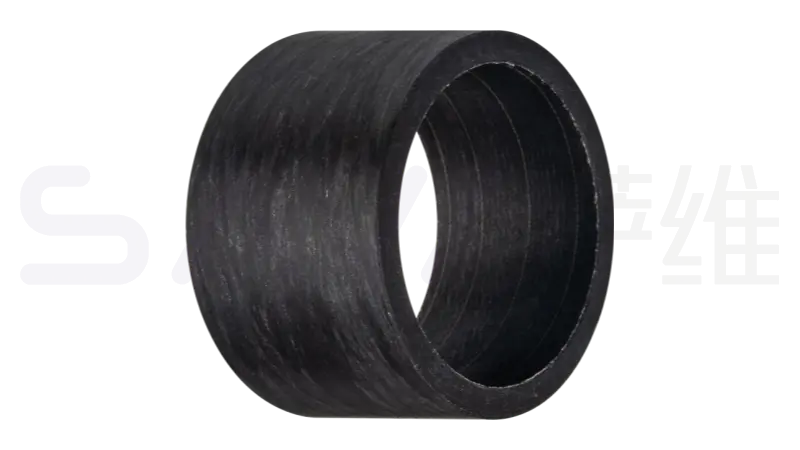
SAVI's EP series engineering plastic self-lubricating bearings are manufactured using polymer material modification technology, with high-strength fibers and specialty solid lubricants embedded inside. They enter the self-lubricating state from the moment of startup, requiring no external lubrication. The solid lubricants are uniformly distributed in the material matrix, continuously releasing a lubricating film under alternating loads, delivering a low and stable friction coefficient. Compared with traditional oil-impregnated bronze bearings, the EP series offers several times longer wear life under dry-running conditions and completely eliminates the risk of food contamination from grease leakage.
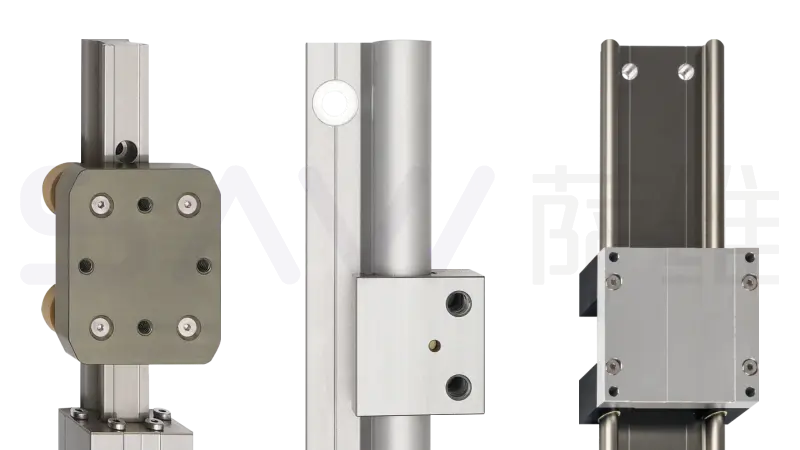
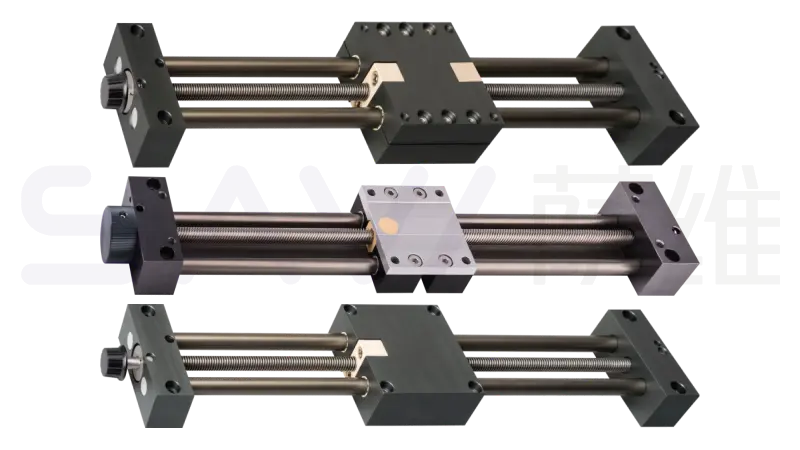
Linear Guides of the Gripping Module → LIN Series Engineering Plastic Linear Bearings
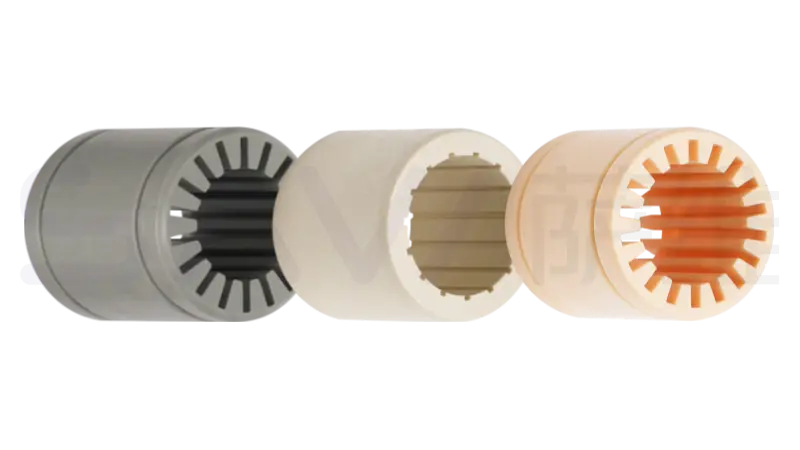
SAVI's LIN series engineering plastic linear bearings are designed for lubrication-free, low-noise operation, making them especially suitable for dusty environments and food packaging washdown scenarios. Their self-lubricating material is unaffected by particles such as flour and sugar dust — particles can embed into the plastic wall surface rather than seizing the raceway — fundamentally solving the frequent seizing problem of metal linear bearings in dusty environments.
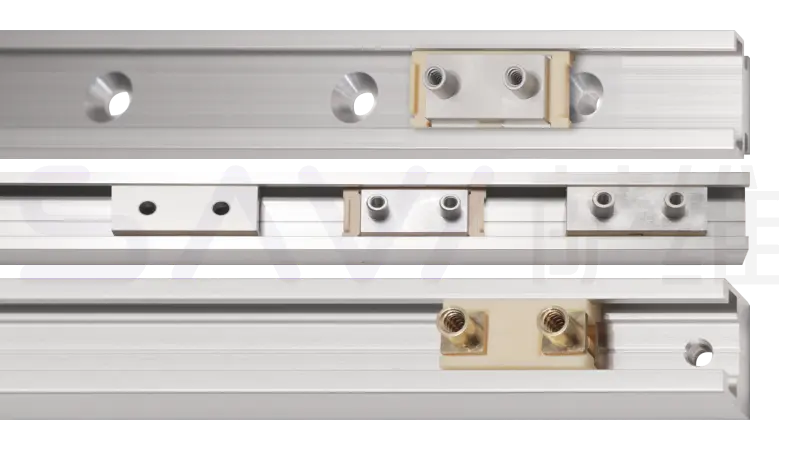
Conveyor Support Rollers and Guiding → LCR Linear Guide System + EP Bearings
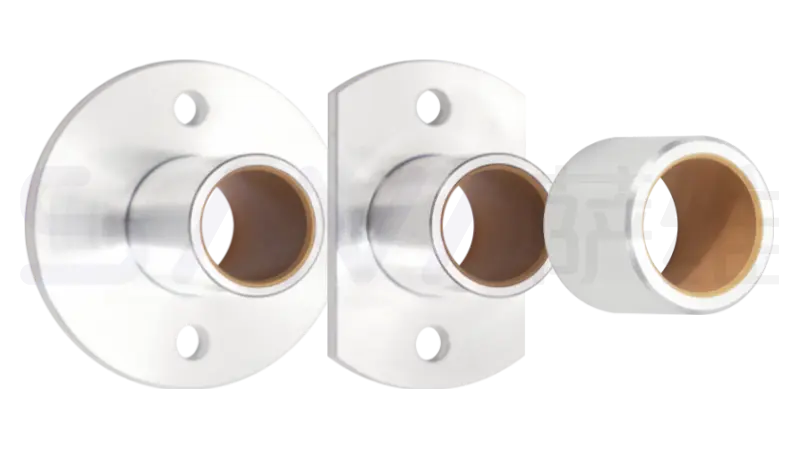
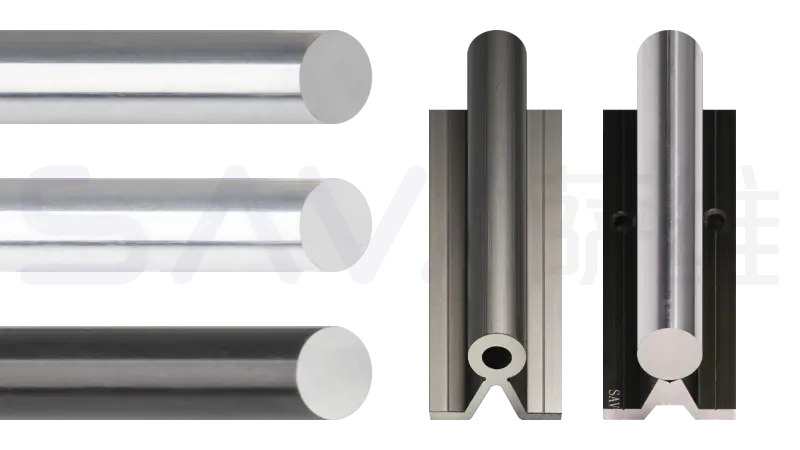
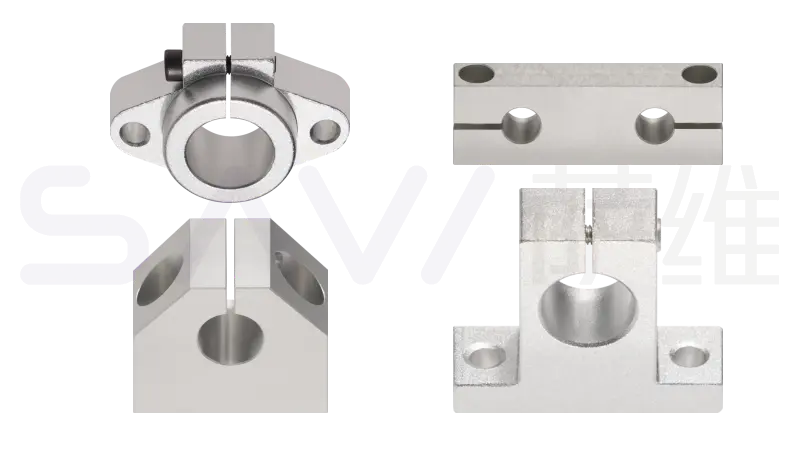
For the support rollers and lateral guiding of the conveyor, SAVI recommends its SLR series linear guide system combined with EP bearings. The steel and aluminum shafts are treated with high-wear-resistance materials, making them suitable for dusty or sewage-contaminated environments. Thanks to the corrosion resistance of engineering plastic bearings, they do not rust or fail in acidic/alkaline washdown environments, completely eliminating the hazard of corrosion debris mixing into the product flow.
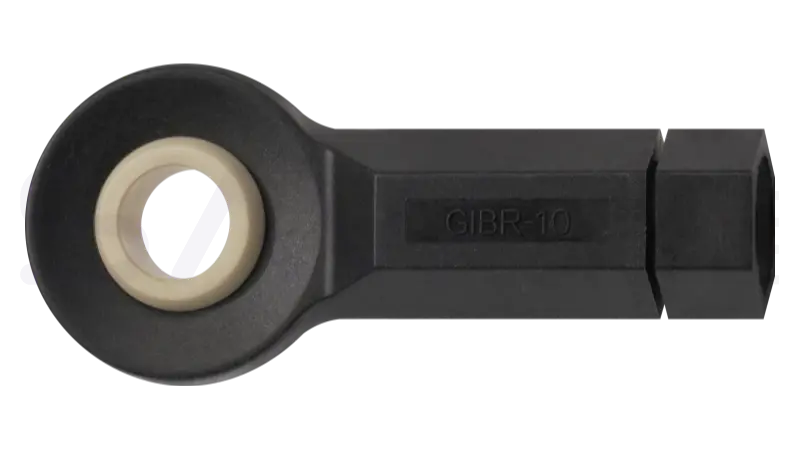
Spherical Joints of the Pneumatic Gripper → GIB Series Engineering Plastic Spherical Plain Bearings
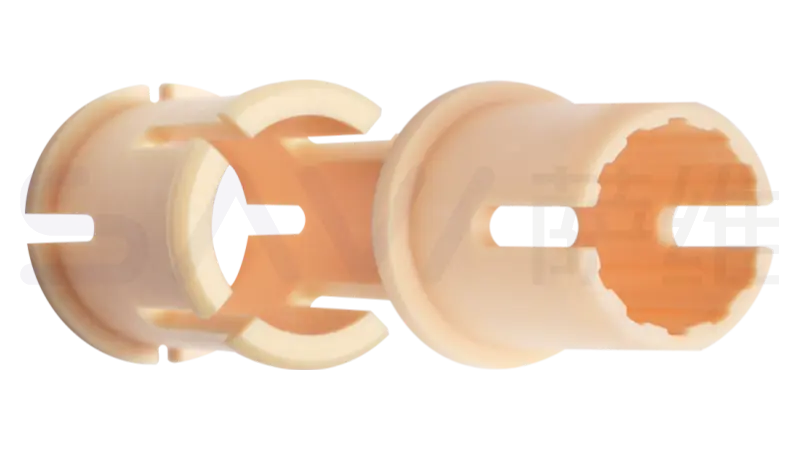
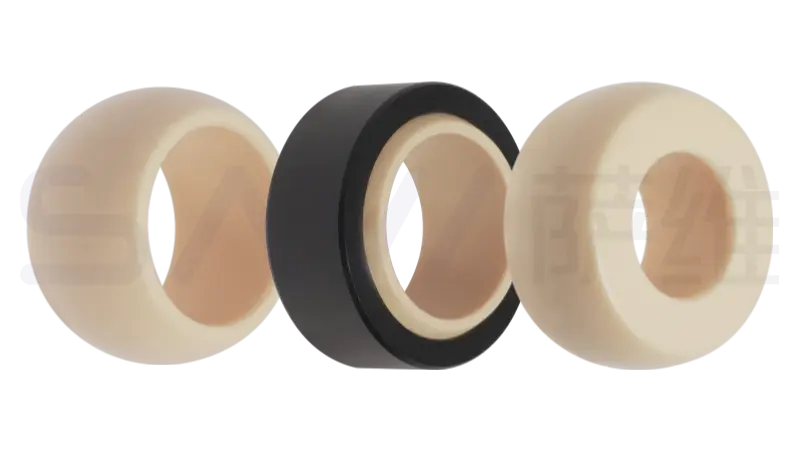
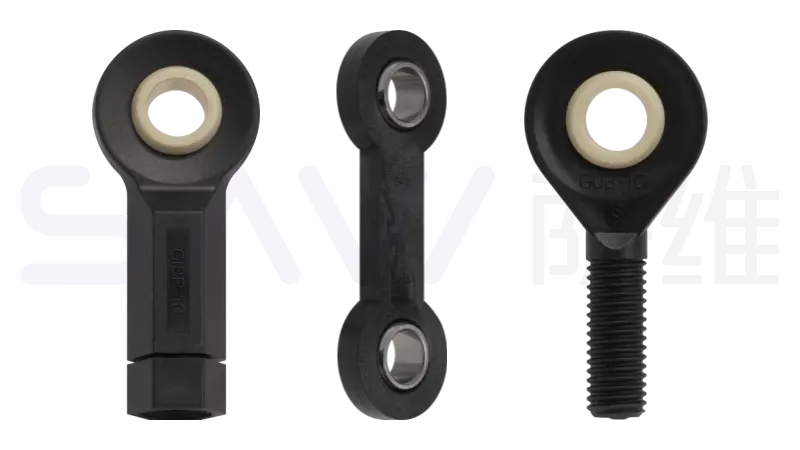
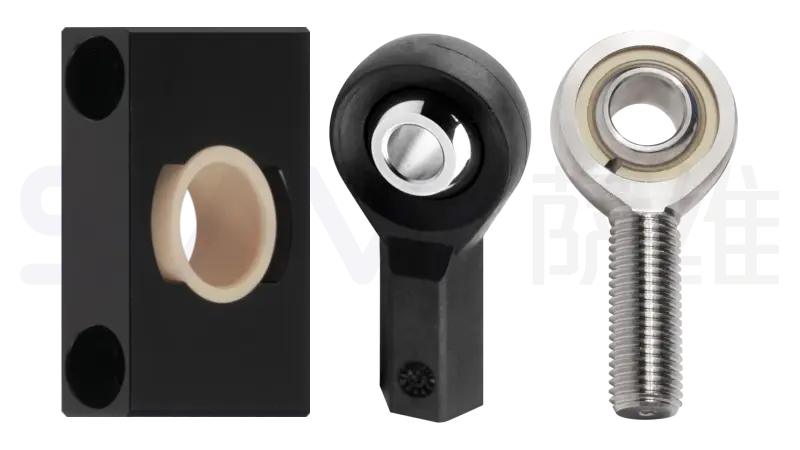
SAVI's GIB series engineering plastic spherical plain bearings are used at the spherical self-aligning joints of the pneumatic gripper. This series replaces metal spherical pairs with engineering plastic inner and outer rings, providing self-lubricating, maintenance-free operation and the ability to compensate for misalignment errors. It is suitable for oscillating and rotary motion, and its lightweight design reduces the overall weight of the gripper system, lowering the energy consumption of the robotic arm.
Core Advantages of the SAVI Solution
Once all four positions adopt SAVI engineering plastic self-lubricating bearings, the robotic case packer can achieve zero external lubrication across the entire chain — from the robotic arm joints to the pneumatic gripper, from the linear guides to the conveyor support rollers, the whole machine no longer requires any grease refilling. This eliminates food safety risks at the source while substantially reducing maintenance frequency and downtime costs.
04. Summary and Outlook
Protecting every rotation of food packaging with self-lubricating technology. As the core equipment of food & beverage end-of-line packaging, the reliability and safety of a robotic case packer's transmission components directly determine the line's overall capacity and product quality.
The limitations of traditional metal bearings across the four pain points — lubrication contamination, corrosion failure, frequent maintenance and precision degradation — have become a common bottleneck constraining equipment upgrades. With its core technology of solid lubricants embedded in the material, SAVI engineering plastic self-lubricating bearings eliminate the need for external lubrication at the source. Combined with their corrosion resistance, light weight and dust tolerance, they provide a systematic, full-position transmission upgrade solution for robotic case packers.
Looking ahead, as the food & beverage industry continues to raise the bar for hygiene standards, continuous production capacity and intelligent maintenance operations, maintenance-free, food-grade engineering plastic bearings with predictable service life will become the standard choice for packaging robots. SAVI will continue to deepen its expertise in engineering plastic friction and wear optimization, and — guided by its business philosophy of "integrity, professionalism, efficiency and win-win" — deliver high-quality self-lubricating transmission solutions to the global food & beverage packaging industry. Our commitment is to keep creating new achievements and maintain our position as a leading supplier in the field of oil-free bearings.