From the maintenance dilemma of conventional metal bearings to innovative breakthroughs in polymer self‑lubricating technology — Zhejiang SAVI explores the technical evolution and domestic‑substitution path for AGV drive systems.
AGV Industry Overview and Drive‑system Challenges
24/7 operation, high‑cycle rhythm and unmanned working mode — AGVs impose unprecedented stringent requirements on drive systems.
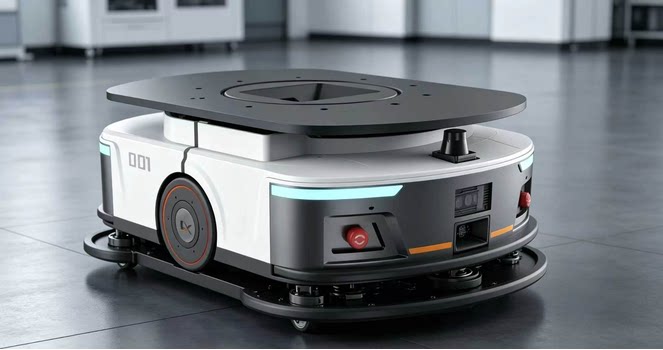
As core equipment for smart logistics and industrial automation, AGVs (Automated Guided Vehicle) are rapidly being adopted in warehousing logistics, production‑line distribution, cold‑chain transportation, cleaning services and many other scenarios. Characterised by 7×24‑hour non‑stop operation, battery power supply and unmanned autonomous work, AGVs set extremely demanding specifications for their drive systems.
Key Drive Positions of AGVs
The AGV drive system comprises multiple critical kinematic pairs, each with unique operating‑condition challenges:
Drive wheel & steering mechanism: Bearing full‑vehicle weight and payload, resisting ground‑induced vibration and impact loads
Lifting / Jack‑up module: Linear motion requiring high precision and low friction
Rotary / Turntable unit: Servo‑driven rotating assembly subjected to composite torque
Joints & hinges: Suspension control arms and connecting rods working within confined space
Conveyor platform & transfer mechanism: Requiring quiet and smooth operation
Features of AGV Operating Conditions
Different from conventional industrial equipment, AGVs have distinctive environmental characteristics:
Battery‑powered: Every gram of weight directly impacts cruising range
Round‑the‑clock operation: Frequent shutdown for maintenance is not feasible
Dusty, humid and corrosive environments: Complex conditions in warehouses, cold‑chain sites and outdoor locations
Noise‑sensitive requirements: Indoor scenarios such as hospitals and offices
Compact design: Extremely limited installation space
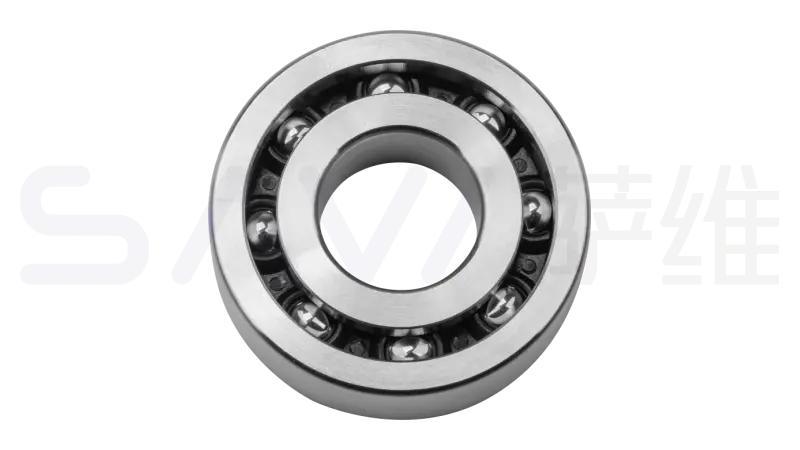
In the early phase of AGV industry development, most manufacturers adopted traditional metal rolling bearings or metal composite bearings as drive components. Nevertheless, as AGVs move toward higher payload, longer cruising range and lower‑maintenance design, inherent drawbacks of metal bearings have become increasingly prominent and formed a major bottleneck restricting AGV performance improvement.
Ingress of dust and contaminants: In dusty warehouses and workshops, lubricating oil seeps out through sealing gaps and traps dust to form deposits. Merely 0.002 % moisture mixed into the lubrication system raises failure probability by 48 %.
Noise and vibration: Rolling elements circulating within raceways generate inherent noise and vibration. For noise‑critical AGV applications such as hospitals and offices, noise levels of metal bearings often fail to meet requirements.
Weight‑versus‑range conflict: High‑density metal bearings increase overall AGV weight, which cuts battery cruising range and reduces effective payload ratio. Rolling bearings also need additional components including cages and seals and occupy more radial space.
SAVI Polymer Self‑lubricating Bearings: Domestic‑developed All‑scenario Zero‑maintenance Drive Solutions
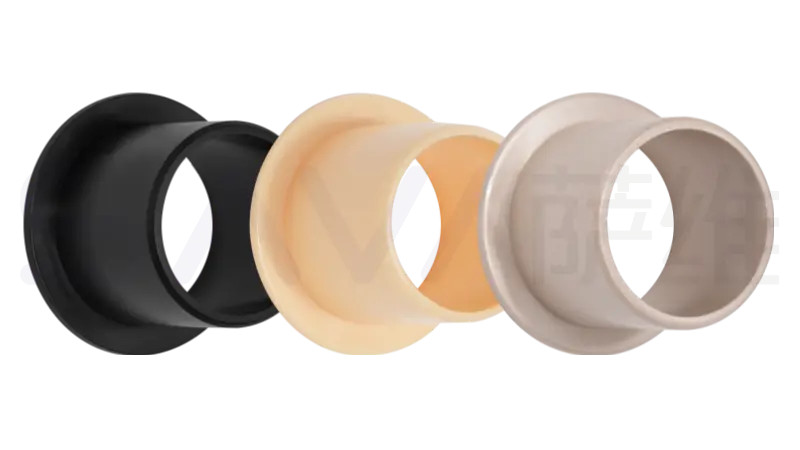
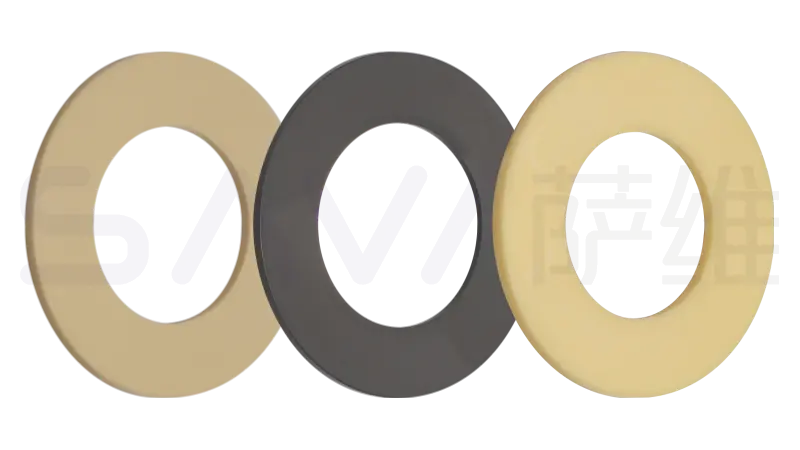
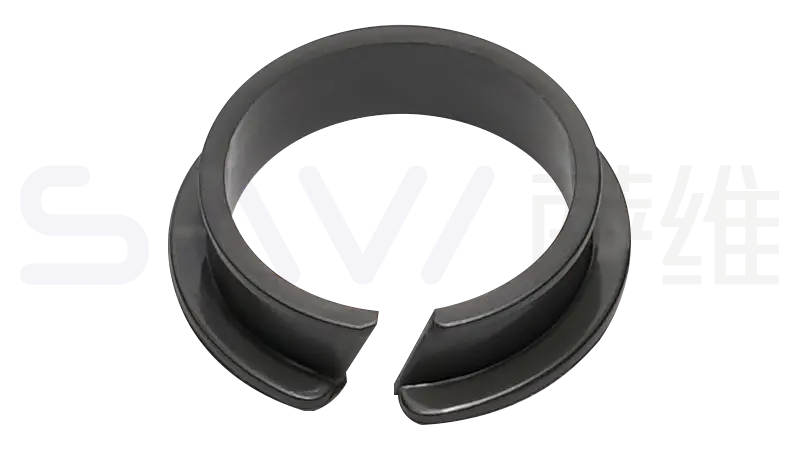
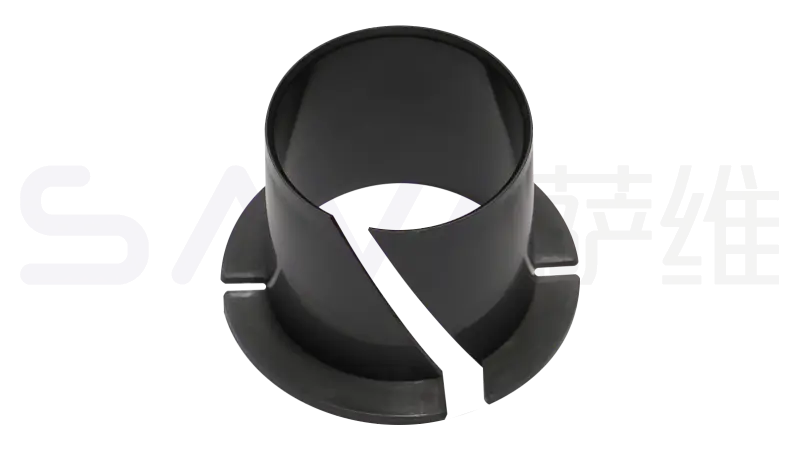
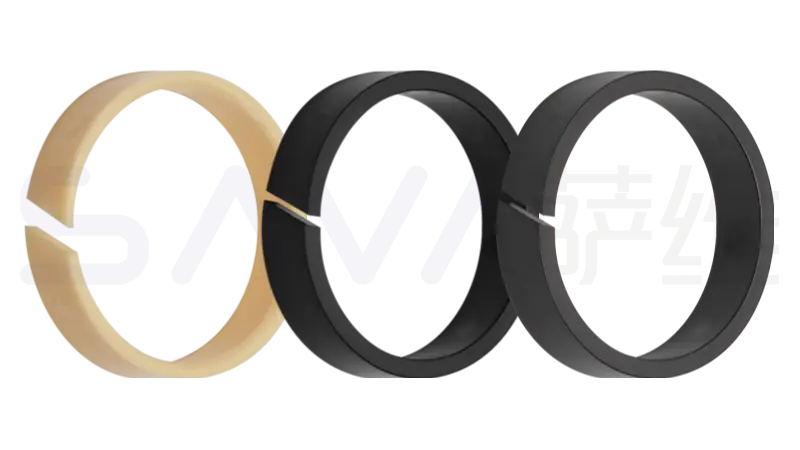
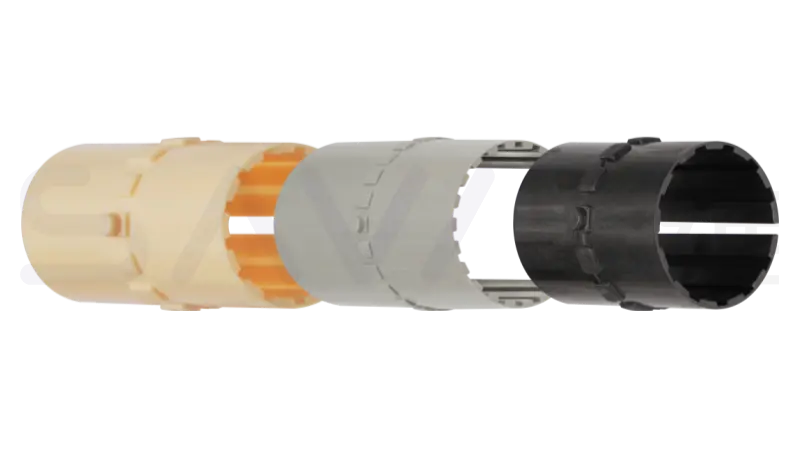
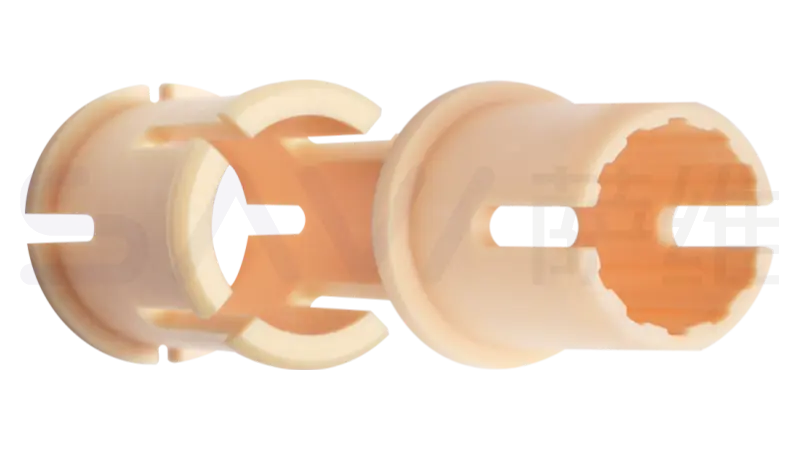
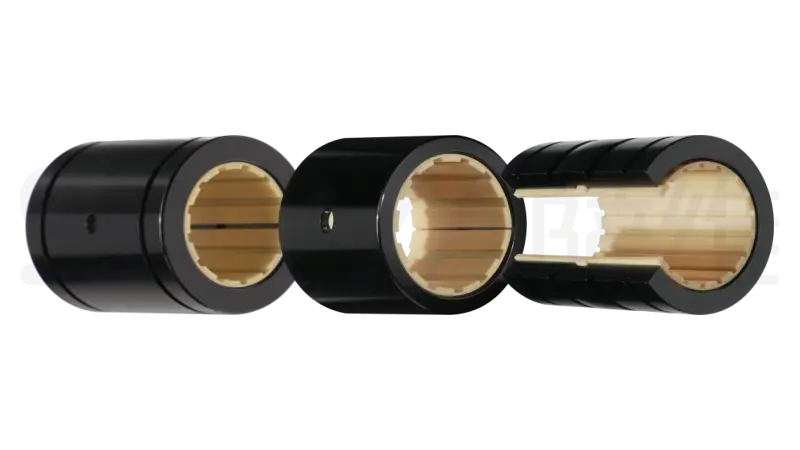
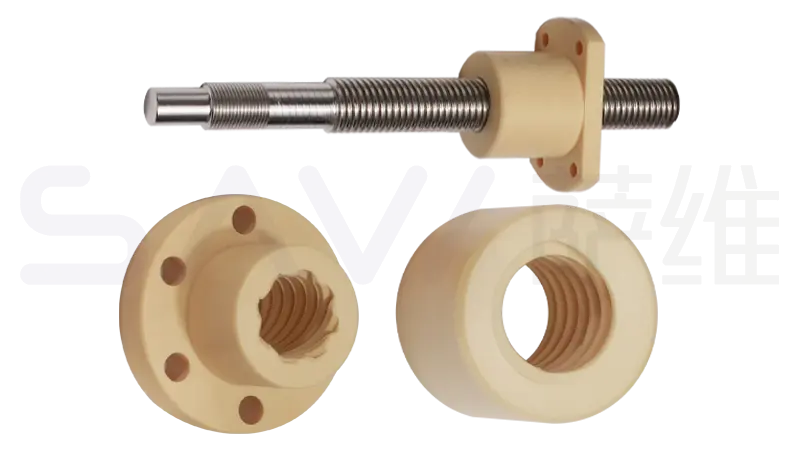
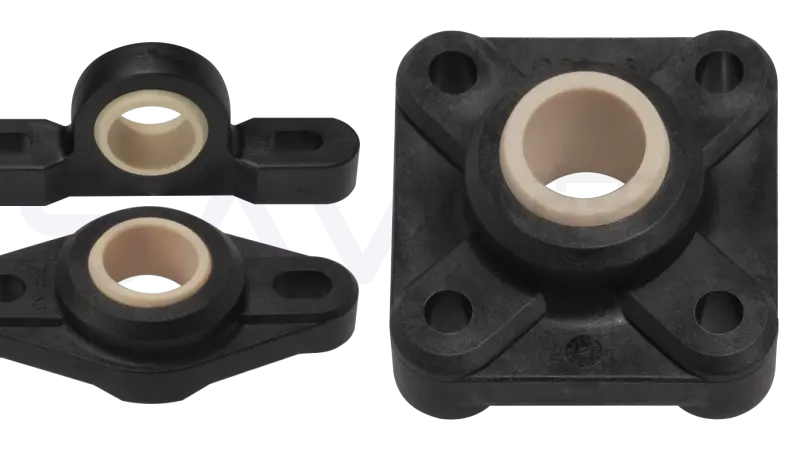
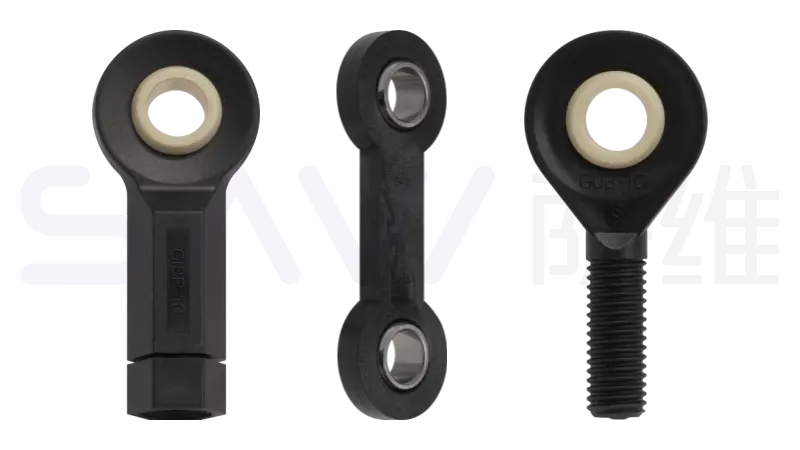
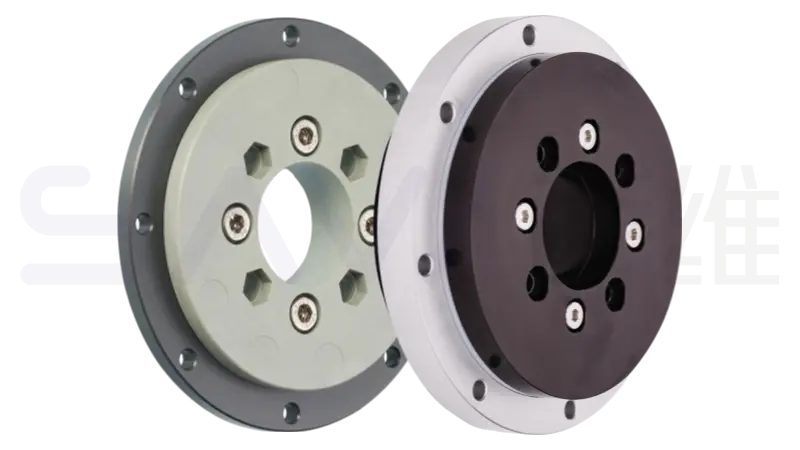
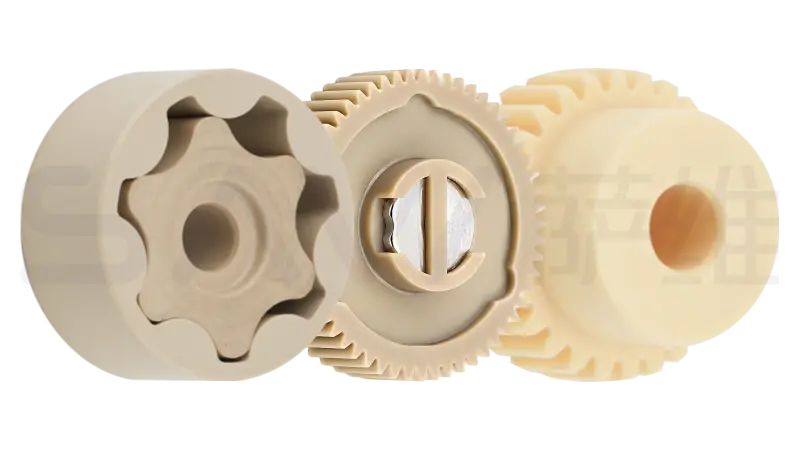
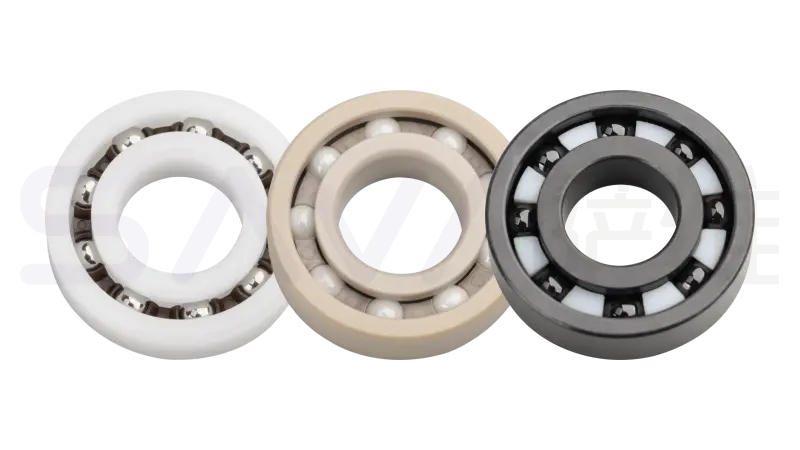
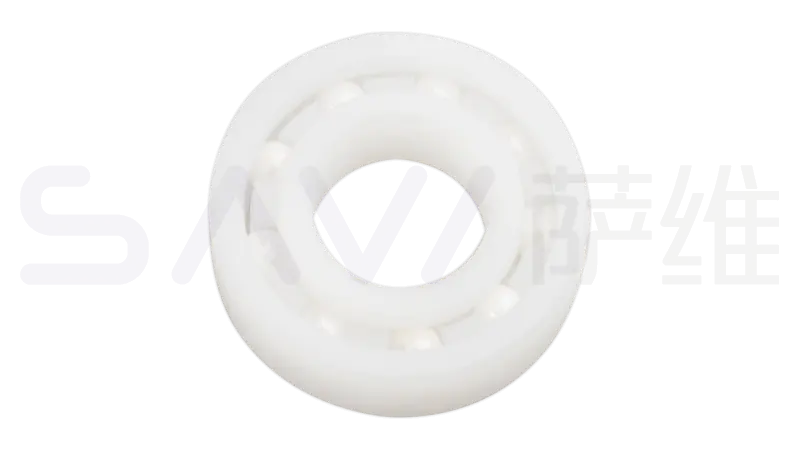
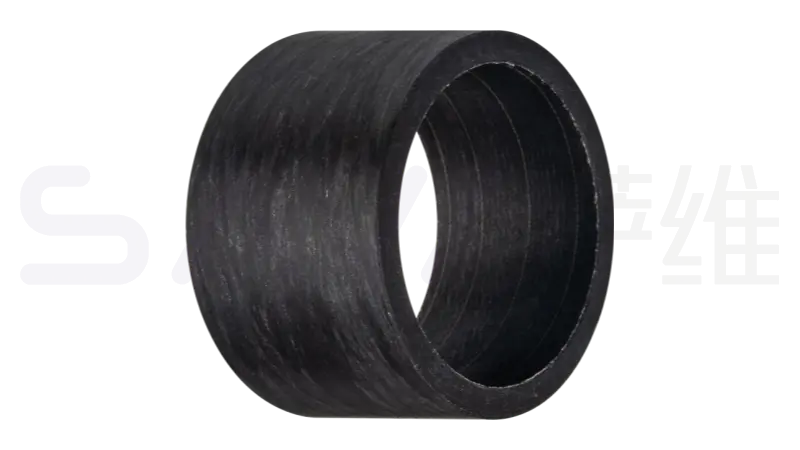
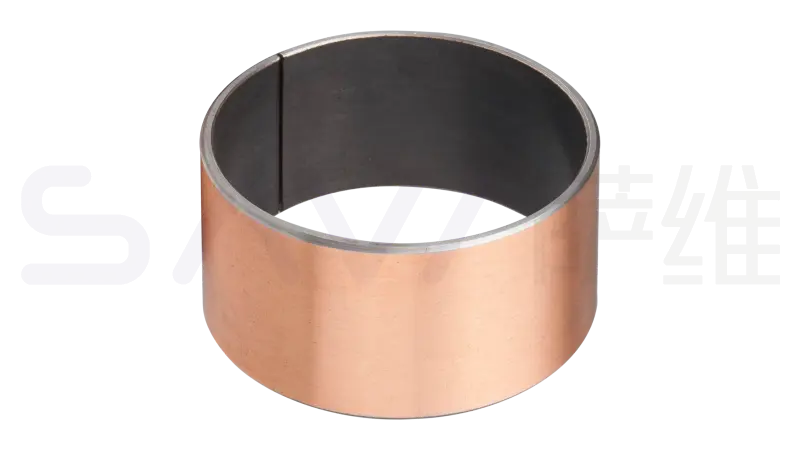
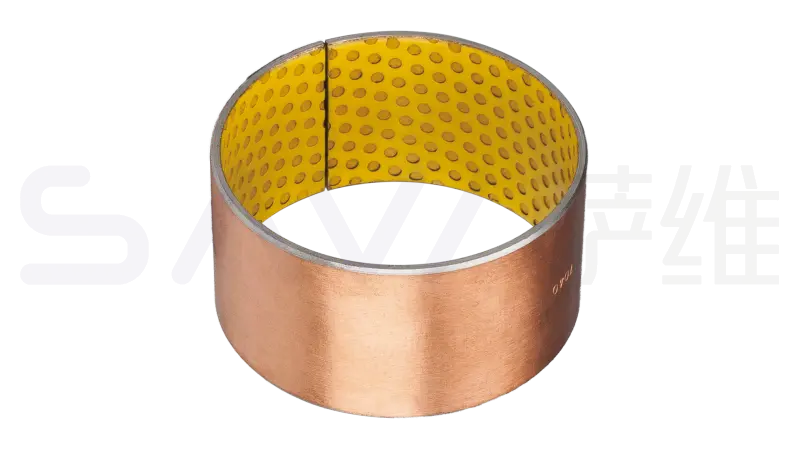
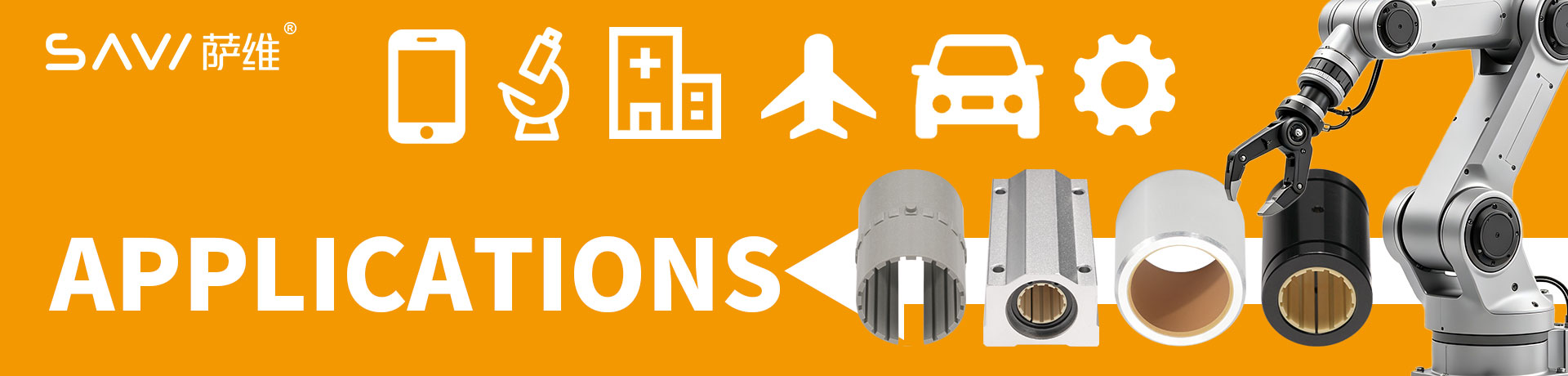
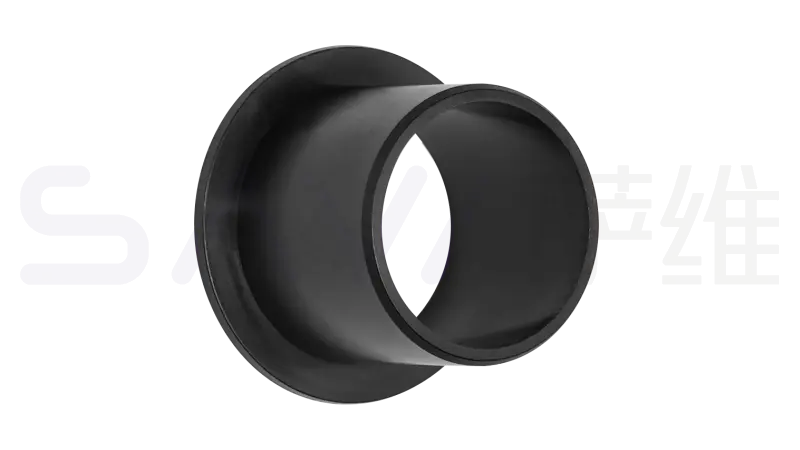
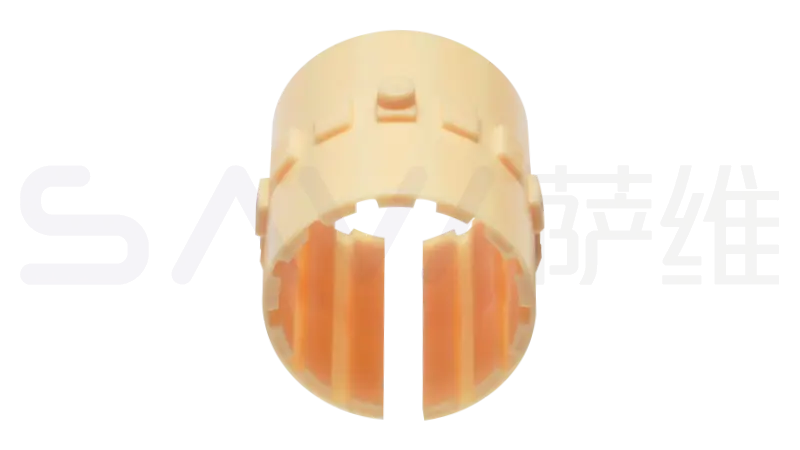
SAVI‑EP Series Engineering‑plastic Self‑lubricating BearingsFormulated with high‑performance engineering‑plastic base material, high‑strength fibres and special solid lubricants. Suitable for AGV suspension control arms, joint hinges and drive‑wheel mounting positions; zero‑maintenance, corrosion‑resistant and lightweight.
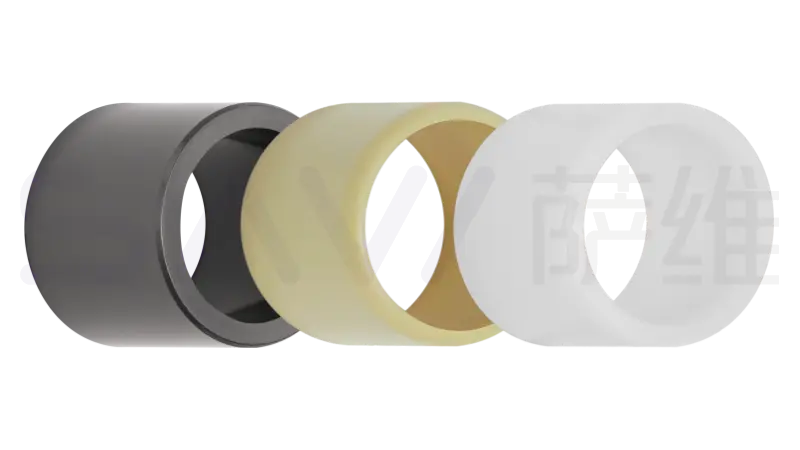
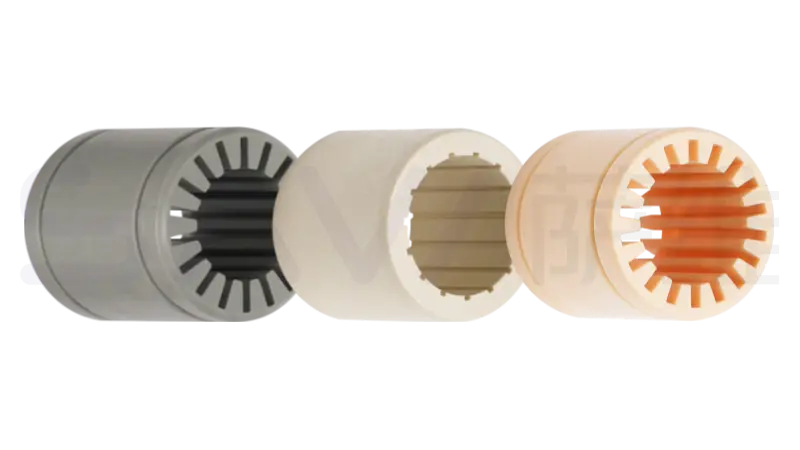
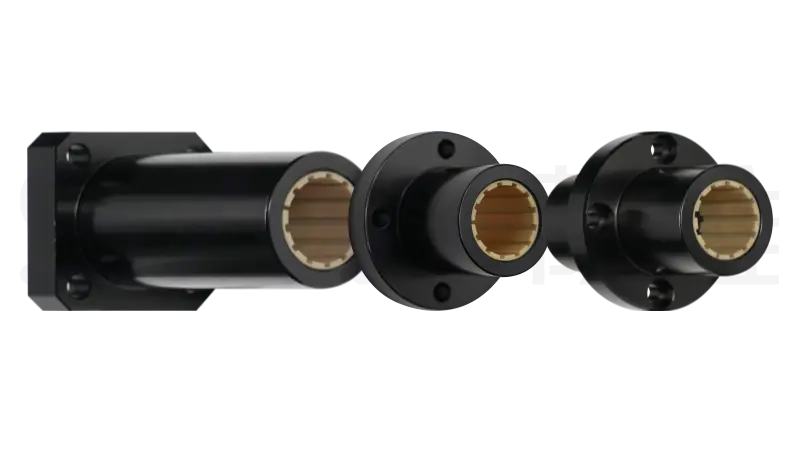
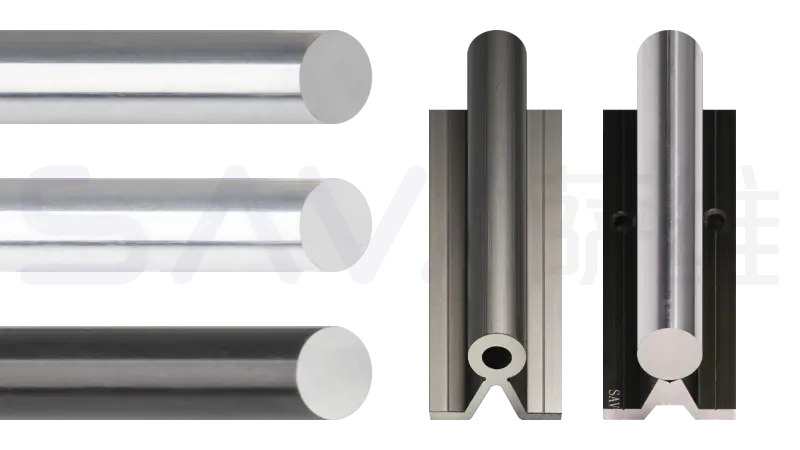
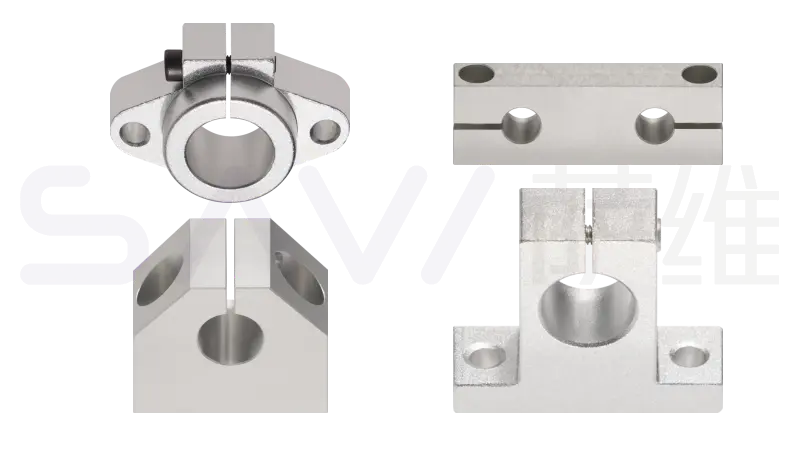
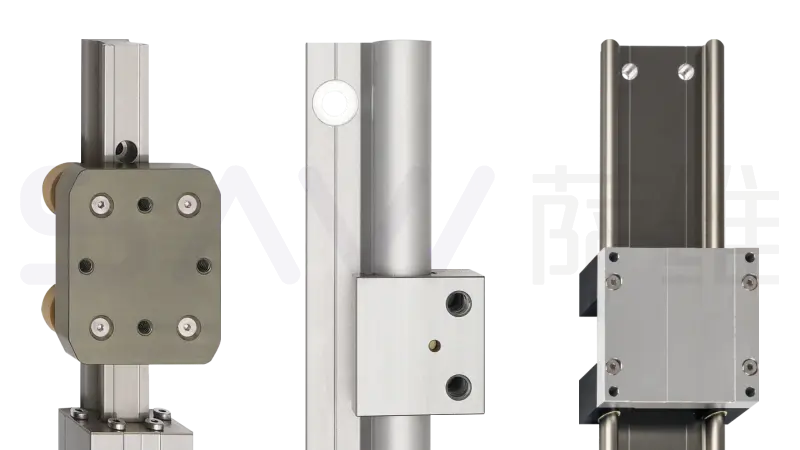
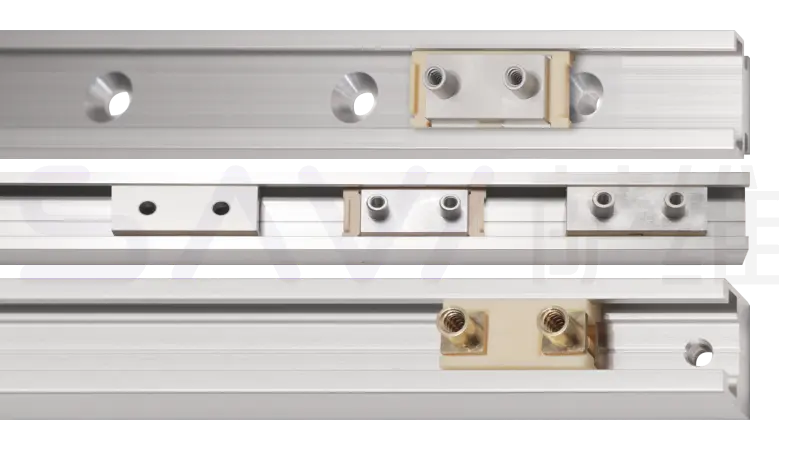
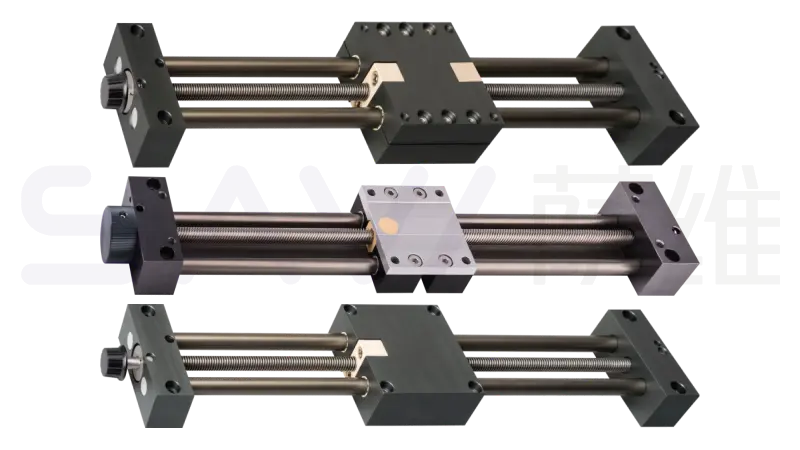
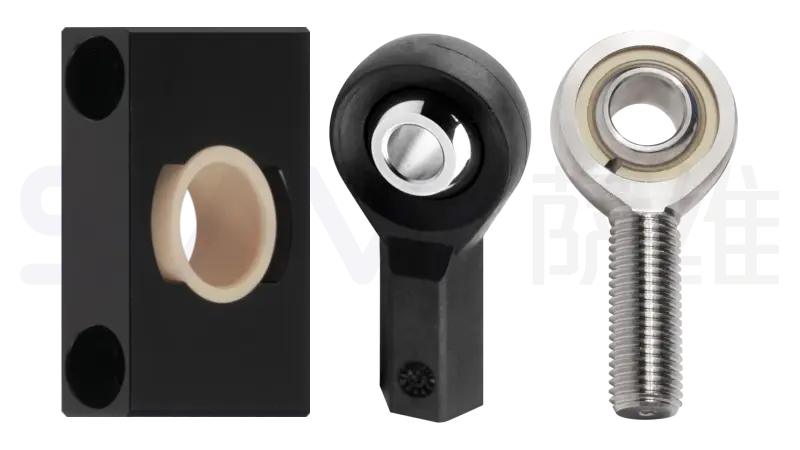
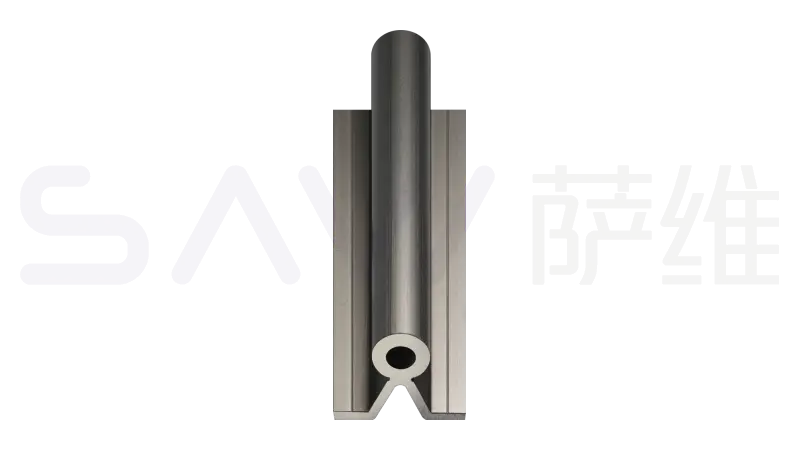
SAVI‑LCR / SBR Engineering‑plastic Linear Guide SystemZero‑maintenance plastic linear bearings for low‑noise operation. Applied to AGV lifting / jack‑up modules and height‑adjustment mechanisms of conveyor platforms. Dust‑resistant and compatible with steel and aluminium shafts.
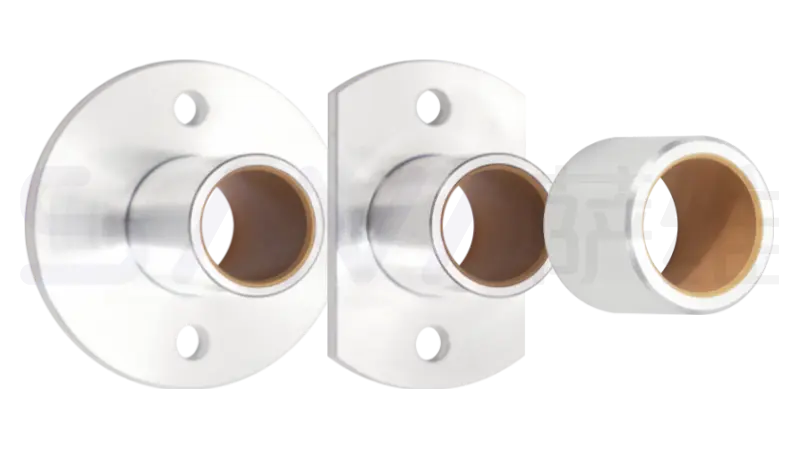
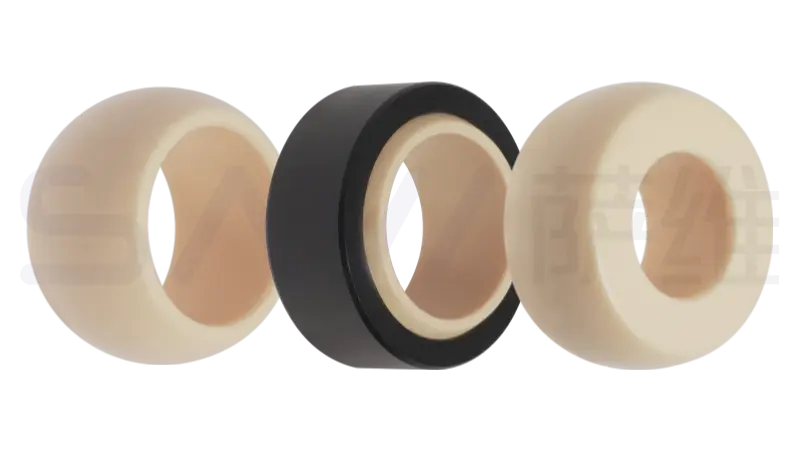
SAVI Engineering‑plastic Spherical Plain Bearings80 % lighter and 40 % lower‑cost compared with metal spherical plain bearings. For multi‑degree‑of‑freedom joint connections and suspension ball joints on AGVs; zero‑maintenance and vibration‑resistant.
Core Advantages
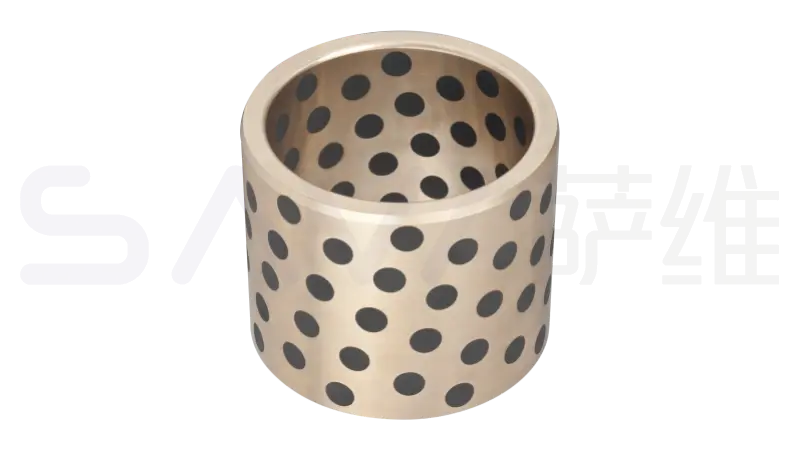
Full‑lifecycle Zero‑maintenance: Solid lubricants are evenly dispersed throughout the bearing wall. No external lubrication required, completely eliminating AGV shutdown for servicing. This is the most fundamental advantage of polymer self‑lubricating bearings versus conventional metal bearings: removing lubrication‑related maintenance costs and contamination sources at the root.
Substantial Weight Reduction: Engineering plastics have 1/5‑1/7 the density of metals. Bearings of identical specification achieve 60 %‑80 % weight saving. For AGVs, every 100‑gram reduction in bearing weight translates into longer cruising range or higher effective payload.
Cost Benefits of Domestic Sourcing: As a Chinese manufacturer with in‑house R&D and production, SAVI avoids import tariffs, international logistics expenses and brand premium of imported alternatives. Together with eliminated costs for lubricants and periodic maintenance labour, the total TCO (Total Cost of Ownership) is further reduced.
Superior Environmental Adaptability: 100 % corrosion‑resistant, fit for cold‑chain logistics down to ‑40 °C, outdoor operations exposed to saline‑alkali and rainwater, chemical workshops and other harsh environments. Non‑porous structure provides dust resistance and prevents failure triggered by dust adhesion to lubricants.
Rapid Customisation Response: Domestic R&D team develops custom material formulas and structural designs according to AGV manufacturers’ specific working conditions (load, speed, temperature, space constraints), with far shorter lead‑time than imported brands.
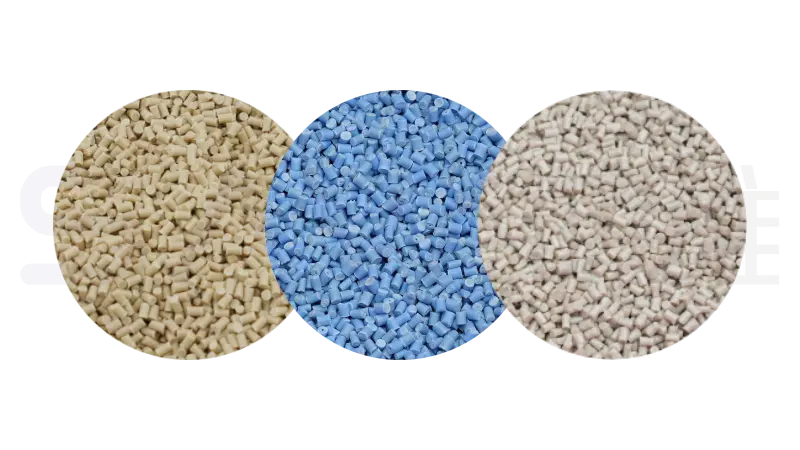
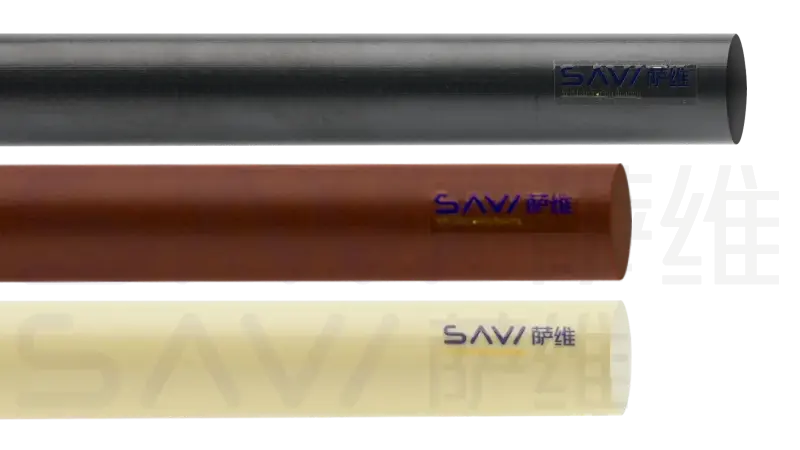
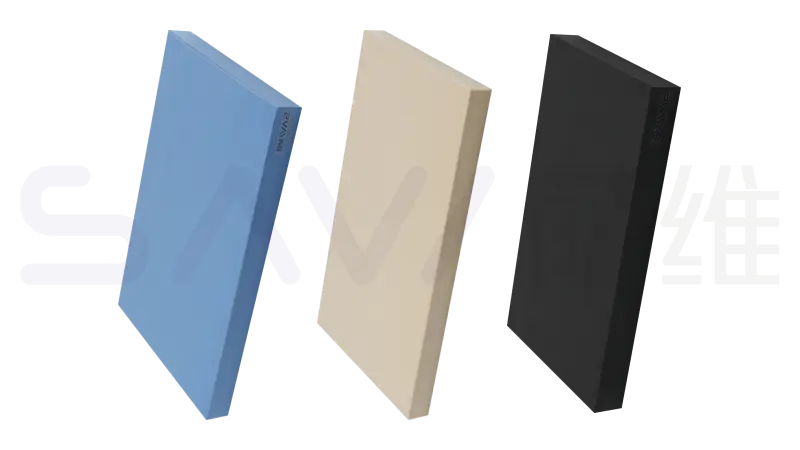
SAVI maintains independent control over material formulations and is one of the few domestic enterprises capable of self‑R&D for polymer self‑lubricating materials. The whole modification chain including base‑material selection, fibre reinforcement and solid‑lubricant impregnation is mastered in‑house. Custom‑tailored materials can be developed for different AGV functional positions: high‑wear‑resistant grade for drive wheels, low‑friction grade for linear guides, high‑temperature‑resistant grade near engine compartments and food‑safe grade for cleaning AGVs. In 2025, a patent application was filed for high‑wear‑resistant thermal‑conductive PEEK composite materials, extending product portfolio into high‑end engineering‑plastic fields.
Certified to IATF 16949:2016 automotive quality‑management system, SAVI implements automotive‑grade PPAP / APQP production workflows. Strict quality control exceeds standard requirements for general‑purpose industrial bearings. This qualification serves as important credential for entering AGV OEM supply chains.
From an industry perspective, self‑lubricating zero‑maintenance bearings are accelerating the replacement of traditional metal bearings. Driven by robotics and medical‑device applications, the self‑lubricating linear‑bearing market keeps expanding. Manufacturers favour advanced polymer composite materials and hybrid design solutions. Nano‑lubrication and microporous self‑lubricating structures lower friction coefficient below 0.08 and extend service life by 2.3 times. Digitalisation and green manufacturing become core competitive edges, and SAVI stands right in the middle of this industry trend.
Meanwhile, two parallel technical routes exist in the sector:
High‑rigidity route: Industrial robot RV reducers adopt high‑rigidity tapered roller bearings and needle roller bearings.
Lightweight route: Humanoid robots and AGVs place greater emphasis on power density; self‑lubricating sliding bearings replace conventional rolling bearings at joints.
SAVI product portfolio precisely aligns with the second route — lightweight, zero‑maintenance and self‑lubricating — the core development direction of the AGV industry.